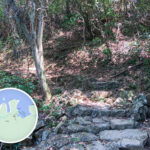
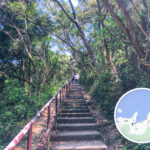
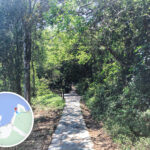
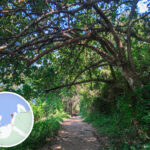
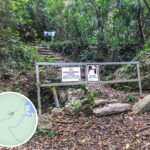
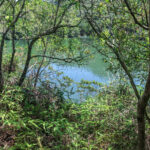
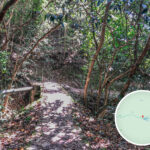
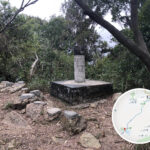
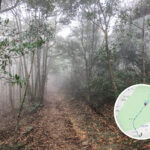
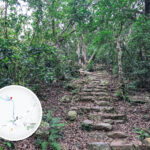
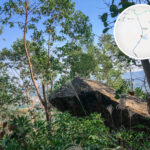
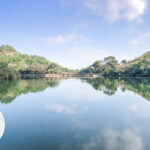
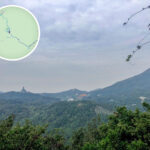
🌳 【Forests】 carry the natural breath of Hong Kong’s south subtropical climate. Although pristine forests disappeared long ago due to human activities, secondary forests and Feng Shui woods can still be found tucked away in valleys, alongside streams, and behind historical villages. These woodlands serve not only as green barriers that provide clean air and water conservation for the city, but also act as vital habitats for numerous birds 🐦, insects 🐞, and mammals 🦌. Walking into the woods, one frequently encounters Banyan trees, Camphor trees, and Autumn Maples, their foliage intertwining into a dense green canopy that showcases Hong Kong’s unique ecological biodiversity.
📌 Basic Information
Item Description 📍 Geographical Location Hong Kong is situated in the south subtropical monsoon zone with a humid climate, perfectly suited for the growth of evergreen broad-leaved forests. 🔄 Forest Succession Pristine forests disappeared long ago; existing woodlands are mostly secondary forests that have gradually regenerated after past human disturbances. 🌿 Characteristics High biodiversity encompassing riparian, lowland, low-mountain, and montane forests. Deeply integrated with rural culture to form unique Feng Shui woods. ☀️ Climate Background Characterized by a south subtropical monsoon climate with high temperatures and abundant rainfall, favoring evergreen broad-leaved trees. 🌲 Forest Types Dominated by secondary forests rebuilt after historical destruction from logging, farming, and wartime activities. 🐾 Ecological Functions 🌱 Carbon Storage: Mitigating climate change
💧 Water Conservation: Preventing soil erosion
🐦 Habitat: Nurturing birds, insects, and mammals— At the same time, Hong Kong’s forests hold deep cultural significance. The Feng Shui woods standing behind villages symbolize protection and blessing. Villagers have protected species like Incense Trees, Longan, and Lychee for generations, turning these small woodlands into green treasuries where ecology and spiritual beliefs intertwine 🌱. In addition, the government launched reforestation campaigns after World War II, planting exotic species such as Taiwan Acacia and Horsetail Tree. In recent years, management has shifted toward utilizing native trees, allowing Hong Kong’s hillsides to gradually regain their natural vitality. These woodlands are both a continuation of nature and a repository of cultural memory, shaping Hong Kong’s distinctive forest landscape. —
🏞 Forest Classification and Representative Locations
Type Altitude Range Common Tree Species Features Representative Locations 🌊 Riparian Forest Valleys and streamsides Water Banyan, Rose Apple, Autumn Maple Ample water supply and high species diversity; typically found along stream fringes. Lam Tsuen in Tai Po, Shing Mun Reservoir 🌱 Lowland Forest Below 300–400 meters Banyan, Turn-in-the-wind, Incense Tree, Mountain Rose Apple Commonly found near villages and foothills, closely intertwined with human activities. Sai Kung, Lantau Island 🌳 Low-Mountain Forest 300–800 meters Red Machilus, Schima, Lo Fu Chui (Castanopsis) Dominated by Lauraceae and Fagaceae families; dense canopy layer with high ecological diversity. Ma On Shan, mid-slopes of Tai Mo Mountain 🏔️ Montane Forest 700–1,000 meters Camellia, Magnolia, Ternstroemia High-altitude environments with cold-resistant species; smaller forest area but highly specialized. Tai Mo Shan Summit, Lantau Peak —
🪷 Cultural Specialty: Feng Shui Woods
- Location: Situated directly behind villages or temples, serving as a symbolic “backing mountain” (Kau Shan).
- Belief Background: Villagers traditionally believe that these woods bring blessings to the community and strictly forbid their destruction.
- Functions:
- Protecting villages from wind damage and severe gales
- Providing timber, clean water sources, and medicinal plants
- Common Tree Species: Incense Tree, Camphor Tree, Longan, Lychee, Rose Apple.
- Features: Although small in area, they boast exceptionally high species diversity, balancing immense ecological and cultural value.
- Representative Locations: Lung Yeuk Tau in Fanling, Pak Kong Village in Sai Kung.
—
🌲 Reforestation and Greening
- Historical Background: Following WWII, the government promoted tree-planting programs to restore and green barren hillsides.
- Early Plantation Trees: Taiwan Acacia, Horsetail Tree, Eucalyptus.
- Common Exotic Tree Species:
- Taiwan Acacia
- Horsetail Tree
- Eucalyptus
- Recent Trends: Gradual transition toward native tree species, such as Chekiang Machilus and Schima, to enhance ecological biodiversity.
- Representative Locations: Shing Mun Country Park, Tai Po Kau Nature Reserve.
—
🌳 Representative Tree Species of Hong Kong
Category Tree Species Characteristics 🏙️ Common Urban Trees 🍁 Autumn Maple Fresh leaves are bright red, offering high ornamental value 🌱 Camphor Tree Crushed leaves release a distinct, fragrant camphor aroma 🌳 Weeping Fig Features aerial roots with a canopy that spreads horizontally 🔥 African Tulip Tree Produces orange-red bell-shaped blossoms during summer 🌸 Queen Crape Myrtle Features pink to purple blossoms, commonly lined along streets 🌲 Representative Forest Trees 🌿 Red Machilus A Lauraceae family species, highly common in low-mountain forests 🌿 Yellow Camphor A Lauraceae plant that is highly shade-tolerant and moisture-loving 🌿 Schima A Fagaceae/Theaceae species widely used in artificial reforestation 🌿 Camellia oleifera A cold-resistant tree species native to high-mountain environments 🌿 Incense Tree The signature Feng Shui wood tree, holding immense cultural and medicinal value —
🐾 Ecology and Conservation
- Animal Habitats: Forests nurture wildlife such as Chinese Pangolins, East Asian Porcupines, Barking Deer, and Little Egrets.
- Animal Interaction: Birds, bats, and macaques assist in seed dispersal across different habitats.
- Biodiversity: The ecosystem supports a vast array of insects, reptiles, and mammals.
- Conservation Significance:
- Features Hong Kong endemic species such as Glover’s Glochidion (Hong Kong Glover)
- Protects the Incense Tree, a national Class II protected plant species
- Conservation Challenges:
- Urban expansion leading to forest fragmentation
- Competition from aggressive exotic tree species
- Climate change impacts altering species distribution