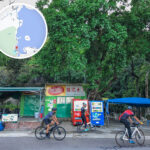
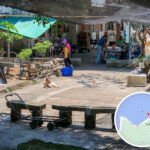
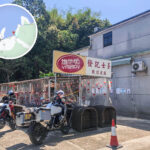
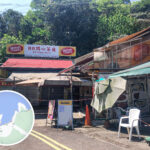
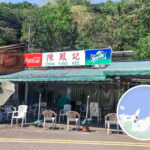
🏪 【Store】 Nestled on Hong Kong’s lively street corners and tucked inside older public housing estate shopping centers, small yet incredibly warm traditional stores known as “Si Do” can still be found. These vintage neighborhood shops carry the collective memories of several generations. A Store is far more than just a retail counter selling snacks, drinks, and daily necessities; it serves as a central social hub for neighbors to gather. Store owners typically know every single regular by name or nickname, creating a tight-knit, welcoming community vibe unique to Hong Kong.
📌 Definition and Origins
Item Details 📖 Name Origin The term “Si Do” is a classic Cantonese transliteration of the English word “store” from early colonial Hong Kong. 🏠 Business Model Originally set up as small, family-run grocery shops packing an immense variety of goods into a compact storefront. 📍 Prime Locations Commonly found occupying bustling street corners, rural villages, or nested within public housing estate commercial plazas. 👫 Social Role Acts as a miniature community center; rather than just a place to buy things, it serves as an anchor for neighborhood warmth and grassroots relationships. 🕰️ Historical Standing In the era before massive supermarket chains took over the city, these shops were the absolute lifeline for residents’ everyday essential supplies. —While the rapid expansion of modern supermarket conglomerates and 24-hour convenience stores has inevitably caused their numbers to decline, Store still defiantly hold their ground across older urban districts and remote rural villages. For many Hong Kongers, the Store stands as a living symbol of deep nostalgia and authentic community connection—a space that is profoundly functional yet packed with rich cultural meaning. Stepping inside a traditional store is never just a simple shopping trip; it feels like walking straight into a piece of Hong Kong’s shared history.—
🌟 Distinctive Features & Vibe
- Grassroots Warmth: Store owners are close with the neighborhood, routinely greeting customers by name, family title, or familiar nicknames.
- Book-it Culture: A high-trust system where trusted regulars can pick up groceries on credit and settle the tab at the end of the month.
- Agile Operations: Many shops flexibly expand their counters to sell daily newspapers, cigarettes, or even act as an informal parcel pick-up spot for neighbors.
- The Community Living Room: These storefronts naturally morph into neighborhood hubs where locals linger to swap stories, catch up on local news, or simply chat.
—
🛒 Product Varieties
Category Items Sold Notes 🍬 Snacks Classic candies, potato chips, chocolates, popsicles The absolute favorite destination for students and kids. 🥤 Drinks Glass-bottled sodas, boxed teas, beers, bottled water An essential summer pit-stop to beat the humid Hong Kong heat. 🧼 Everyday Essentials Washing powder, bar soaps, toothpaste, tissue packs Quick-grab staples for running a household. ✏️ Stationery Pencils, erasers, school exercise notebooks A staple offering for shops situated right next to local schools. 📰 Print Media Daily newspapers, classic children’s comic books A reliable source for morning news and neighborhood entertainment. 🚬 Specialty Goods Cigarettes, over-the-counter home remedies, small batteries Brings adult consumer goods and everyday conveniences under one roof. —
🏙️ Common Locations Across the City
- Heritage Public Housing Estates: Particularly prevalent in early estates like those in Shek Kip Mei.
- School Precincts: Positioned strategically near school gates so students can easily grab snacks or stationery on their breaks.
- Rural Village Entrances: A classic fixture at the entrance of indigenous villages in the New Territories, often doubling as an open-air tea stall (Dai Pai Dong style).
- Urban Street Corners: Tucked away in the historic street grids of older districts like Sham Shui Po or Wan Chai.
- Ferry Piers & Outlying Islands: Heavily scattered near the piers of bustling islands like Cheung Chau and Peng Chau to catch foot traffic.
—
🧭 Cultural Significance
Aspect Cultural Impact 🧩 Collective Memory Before supermarket chains became the norm, these shops were the primary lifeline supplying everyday essentials to local families. 👫 Community Anchor Acts as a community “living room,” weaving together neighborhood bonds and building local trust. ⏳ Witness to an Era Their transition from roaring prosperity to being squeezed by supermarkets mirrors the changing tides of Hong Kong’s retail industry. 🎬 Icon of Nostalgia Countless local movies and TV dramas deliberately use these traditional storefronts as backdrops to instantly evoke an authentic, “old Hong Kong” atmosphere. —
📍 Notable District Highlights
- Sham Shui Po: Still home to a proud cluster of traditional shops packing an incredibly diverse and eclectic inventory of vintage items.
- Yau Ma Tei: Where old-school corner storefronts blend seamlessly with vibrant local night market culture.
- Tsuen Wan: Where historic old alleys intersect with new housing estates, allowing these traditional shops to remain an everyday convenience for locals.
- Villages on Lantau Island: Small-scale rural shops providing vital baseline provisions for both local villagers and weekend hikers.
—
🕰️ Evolution Through the Decades
- 1950s–1970s: The golden era. These shops were scattered across every housing block and village, serving as an absolute necessity for daily survival.
- 1980s–1990s: Supermarkets began expanding rapidly, yet these neighborhood stores maintained a powerful, high-volume presence in older districts.
- 2000s–Present: The explosive rise of 24/7 convenience store chains caused numbers to dip, though they remain a cherished fixture in preserved communities.
- Modern Reinvention: A new wave of these shops has transformed into trendy indie spots, blending vintage aesthetics with craft coffee and local cultural design to become cultural landmarks.
—
🍬 Top Nostalgic Retro Goods Ranked
Rank Retro Favorite Nostalgic Context 🥇 Glass-Bottled Soda Ice-cold and refreshing; that sharp, popping “pop” sound when the owner pries off the metal cap is the definitive soundtrack to a local childhood. Coca-Cola, 7-Up, Cream Soda 🥈 White Rabbit Cream Candy Famous for the legendary “edible rice paper” wrapper; the ultimate sweet taste of childhood. The top snack choice for school kids. 🥉 Soft-Serve Ice Cream Cones An absolute summer must-have, dug straight out of the shop’s deep chest freezer. The ultimate source of joy for neighborhood children. 🎖️ Classic Comic Books From martial arts series to kids’ manga, these were the absolute gems lining the shop’s front-facing magazine racks. Raised an entire generation of local readers. 🎖️ Loose Cigarettes & Tobacco A classic adult consumer staple that highlights the sheer flexibility of a corner shop’s inventory. Showcases the multi-functional nature of the business. 🎖️ Boxed Detergent Powder The ultimate domestic necessity; buying a quick box at the corner epitomized daily household life. Carries the scent of everyday local living. —
🏪 Traditional Store vs. 🏢 Modern Supermarket
Feature Traditional Store Modern Supermarket 📍 Location Street corners, neighborhood housing centers, rural villages. Large shopping malls, massive independent commercial spaces. 🏠 Business Scale Small-scale, independent, family-run operations. Massive corporate chains. 🛒 Product Range Curated snacks, drinks, daily sundries, stationery, tobacco, and small batteries. Fresh produce, meats, bulk groceries, home appliances, apparel, and endless varieties. 👫 Human Connection Owners are deeply embedded in the community; high-trust “credit ledger” culture exists. Transactions are highly institutionalized and standardized; minimal personal interaction. ⏰ Operating Hours Flexible and fluid, completely up to the shop owner’s personal schedule. Strictly fixed corporate hours, typically from 10:00 AM to 10:00 PM. 💰 Pricing Slightly higher unit prices due to a lack of economies of scale and direct wholesale power. Relatively cheaper due to massive bulk corporate buying power and supply chain dominance. 🌟 Community Value Serves as a miniature community social anchor, packed with local warmth and collective memories. Serves strictly as a commercial consumer hub built around maximum efficiency and variety. 🕰️ Historic Status The undisputed primary supply station before the corporate retail boom; a true icon of heritage Hong Kong. The undisputed mainstream of modern retail, representing contemporary consumer patterns.