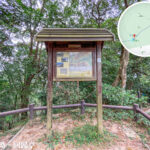
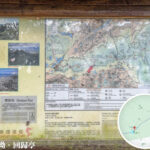
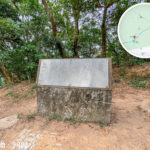
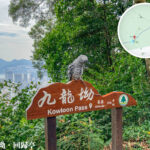
🏛️ 【Hong Kong Reunification Pavilion(香港回歸紀念亭)】is a commemorative landmark pavilion built atop Kowloon Pass on the hillside of Lion Rock in Kowloon to mark the 1997 transfer of sovereignty over Hong Kong. An inscribed monument stands inside the pavilion, detailing the historical background of Hong Kong’s handover. Located along Section 5 of the MacLehose Trail, it commands an open panoramic outlook, serving as an exceptional vantage point overlooking the entire Kowloon Peninsula, the northern coast of Hong Kong Island, and the gorgeous Victoria Harbour. —
📍 Basic Info
Item Details 📍 Location Name Hong Kong Reunification Pavilion(香港回歸紀念亭)《Kowloon Pass》 🌍 District / Region Lion Rock Country Park (Kowloon Pass, MacLehose Trail Section 5) 🗺 Geographical Features Commemorative Chinese Pavilion (Traditional Chinese Garden Style) 📸 Scenic Highlights Handover Commemorative Monument, classical double-roofed pavilion, panoramic views of Victoria Harbour and Kowloon Peninsula 🚶♂️ Hiking Route By taxi from Wong Tai Sin or Lok Fu MTR Station to Sha Tin Pass (Lion Pavilion), then walk for 30-40 minutes along Section 5 of the MacLehose Trail; or hike up via the Tsz Wan Shan trails. ⏱ Estimated Time Approx. 45 – 60 minutes one-way; around 2-3 hours round-trip from the base of the hill ⛰ Elevation Elevation approx. 300 meters (at the col of Kowloon Pass) 💪 Difficulty Rating ⭐⭐ (Mostly well-paved stone steps or concrete paths with moderate slopes) 🌊 Tidal Influence No influence (strictly standard hillside trails and pavilion visits). 🧭 Navigation Extremely well-signposted along the MacLehose Trail or Wilson Trail; situated right at the core crossroads of Kowloon Pass. 🏕 Supply Points Heng Yick Store (tuck shop) at Sha Tin Pass provides supplies; there are no shops directly around the Reunification Pavilion. —
🏗 Architecture Background & Design Philosophy
- History:The pavilion was erected in 1997, co-organized by the Provisional Legislative Council of the time and various community organizations to celebrate the transfer of sovereignty over Hong Kong, bidding farewell to colonial rule and ushering in the new era of the HKSAR. The commemorative inscription is engraved with golden characters, summarizing the history of the New Territories lease, the Sino-British negotiations, and the establishment of the HKSAR, offering substantial modern historical value.
- Features:A traditional Chinese double-eaved roof structure, the marble Handover Commemorative Inscription within the pavilion, and the breathtaking sunset and nighttime cityscapes of the Kowloon Peninsula.
- Structure:The pavilion adopts a traditional Chinese palace-style pavilion design, featuring a double-eaved hexagonal conical roof tiled with vibrant yellow glazed tiles, complemented by bright red pillars and a white granite base. The structure blends beautifully into the surrounding natural mountain forest, combining traditional Chinese landscape aesthetic with practical countryside resting functionality.
- ⚠️ Important Notes & Safety Tips:This area is an important intermediate junction before ascending to the Lion Rock Summit (The Lion’s Head). The mountain paths lack artificial lighting after dusk; if you plan to view the night scenery, bringing adequate illumination gear (such as a headlamp) is mandatory. Please respect the monument and do not deface the pavilion.
—
👣 How to Get There
- Transportation:Public transport cannot directly reach the hillside. Take the MTR to Lok Fu or Wong Tai Sin Station, then transfer to a taxi heading to Fat Jong Temple at Sha Tin Pass or the Lion Rock Park starting point.
—
🥾 Recommended Hiking Routes
- 【Lion Rock Summit Ascent (Lion’s Head & Body)】:Ascending the steep mountain trail next to the pavilion takes about 30-45 minutes to reach the rugged crest of Lion Rock. Standing on the ‘Lion’s Head’ grants a breathtaking perspective of the whole city, embodying the spiritual heritage of the iconic phrase ‘Below the Lion Rock’.
- 【Amah Rock Unique Formation Discovery】:Descending from Kowloon Pass towards Sha Tin (via the Hung Mui Kuk Ancient Trail) allows a convenient visit to the famous ‘Amah Rock’—a weathered rock formation resembling a woman carrying a child on her back, woven into a touching local folklore.