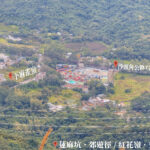
🏡【Wo Hang (禾坑)】 located between Sha Tau Kok and Fanling in the New Territories, Hong Kong, is a valley divided into two parts: Sheung Wo Hang and Ha Wo Hang. It was once a settlement for the Hakka Li clan, who primarily farmed rice. Strategically situated, Wo Hang is flanked by Mu Mui Leng to the north and Tai Lek Leng to the south, with several streams flowing through the valley into Sha Tau Kok Hoi. The history of Wo Hang dates back to 1689 during the Kangxi reign of the Qing Dynasty, when Li Tak-wah, the Li clan ancestor, and his son Li Chuen-lam migrated here from Boluo, Guangdong. They founded a village at Wo Hang Hau, becoming the founding ancestors of Sheung Wo Hang Village. In 1730, their descendants established Ha Wo Hang Village, shaping the layout of the villages we see today.
Culture and Landmarks of Wo Hang
There are two famous declared monuments within Wo Hang Village:
- King Yung Study Hall: Built in the early Qing Dynasty, it is one of the few study halls in the New Territories dedicated solely to teaching. It produced several Xiucai (scholars), including Li Cheung-chun, who ranked first among scholars in the Guangzhou academy.
- Fat Tat Tong: A building featuring a blend of Chinese and Western architectural styles, it was built in the late 19th century by villager Li Dao-huan after his return from Vietnam. It is now a declared monument.
In addition, Wo Hang Village still preserves traditional Hakka culture, such as the Li Clan Ancestral Hall and the Earth God (To Tei) Shrine. The century-old banyan trees and peaceful countryside views in the village also draw many visitors.
Accessible Hiking Route in Wo Hang
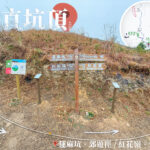
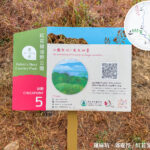
Wo Hang features a wheelchair-friendly accessible hiking route that starts from Sha Tau Kok Road, winds through countryside paths, passes Robin’s Nest (Mu Mui Leng), and eventually ends at the Nam Chung Tin Hau Temple. Accessible toilets and resting spots are available along the way for visitors’ convenience. This route not only allows visitors to enjoy stunning views of Robin’s Nest and Sha Tau Kok Hoi, but also lets them experience the peace and history of the Hakka villages.
Current Status and Future Development of Wo Hang
In recent years, Wo Hang Village has gained public attention due to celebrity Myolie Wu marrying into the Li clan, which has helped more people learn about the village’s history and culture. The Li clan genealogy within the village has been re-transcribed and annotated, laying a solid foundation for future pedigree restoration work. Looking ahead, Wo Hang is expected to develop further through cultural tourism and eco-tourism, attracting more visitors to explore this hidden Hakka gem. Wo Hang is not only a Hakka village with a long history, but it also boasts a rich cultural heritage and natural landscapes. Whether it is the accessible hiking route or the historical monuments, Wo Hang offers a unique experience for visitors.