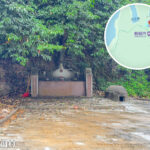
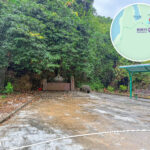
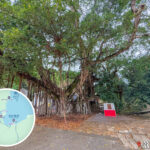
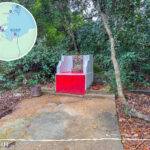
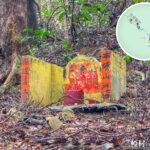
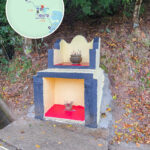
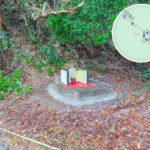
🧧 【Pak Kung / To Tei Kung】(Earth God) belief, though not as grand in scale as major temples, serves as the closest guardian deity in village life. Their shrines are distributed along key geographical paths, serving as landmarks and cultural memories that reflect the religious framework of Hong Kong’s rural society. —
📖 Basic Information
- Identity: Earth Deity, known as “Fuk Tak Ching Shen” by Punti (Cantonese) people and “Pak Kung” by Hakka people.
- Symbolism: Governing a local area, granting good harvests, thriving livestock, and peaceful households.
- Appearance: A white-bearded elder holding a gold ingot or a Ruyi scepter, symbolizing wealth and protection.
- Worship: Villagers offer incense, sacrifices, and paper money to pray for favorable weather and prosperity.
Item Description 🧑🌾 Identity Earth Deity, known as “Fuk Tak Ching Shen” by Punti (Cantonese) people and “Pak Kung” by Hakka people 🌾 Symbolism Governing a local area, granting good harvests, thriving livestock, and peaceful households 👴 Appearance A white-bearded elder holding a gold ingot or a Ruyi scepter, symbolizing wealth and protection 🕯️ Worship Villagers offer incense, sacrifices, and paper money to pray for favorable weather and prosperity —
🌍 Geographical Distribution
- Village Entrances
Almost every traditional village entrance features a Pak Kung shrine, symbolizing protection for villagers entering and leaving safely.- Bridgeheads
Pak Kung shrines are commonly seen near bridges crossing rivers or streams, implying protection over critical transport paths.- Beneath Banyan Trees
Banyan trees symbolize longevity and shade; many villages place Pak Kung shrines under them, forming a community gathering space.- River Mouths
In fishing villages like Tai O, Pak Kung shrines are often built by the waterfront to safeguard fishermen heading out to sea.—
🏯 Architectural Forms
- Simple Type: Utilizing only a stone or red paper to represent the deity’s seat, or consisting of two stones (representing Pak Kung and Pak Po/Earth Grandmother), commonly found in small villages.
- Three-Walled Roofless Type: A small brick structure with three walls and no roof; this open design is common in medium-sized villages.
- Small Temple Type: Some villages build small enclosed temples complete with incense altars and deity statues, offering a more complete scale.
- Small Temple / Shrine: Large walled villages or wealthier settlements construct square brick-and-stone temples equipped with incense burners and offering tables, symbolizing jurisdiction over a broader territory, often seen in Sai Kung Old Town.
—
🌾 Naming and Cultural Differences
- Hakka People: Refer to the deity as “Pak Kung,” visualized as a white-bearded old man.
- Punti (Cantonese) / Teochew People: Refer to the deity as “Fuk Tak Ching Shen” or “To Tei Kung.”
- Cultural Significance: Acting both as a guardian of the land and a god of wealth; some statues hold a gold ingot to symbolize financial fortune.
—
🕯️ Functions and Worship Rituals
- Functions
- Blessing villagers with favorable weather and bumper harvests.
- Safeguarding village security while concurrently playing the role of a wealth deity.
- Worship
- Villagers offer incense, sacrifices, and burn joss paper on a regular basis.
- Worship rituals are held during Lunar New Year, spring plowing, or the Deity’s Birthday (which falls on the 29th day of the third lunar month in Teochew traditions).
—
📍 Common Pak Kung Sites in Hong Kong
- Sai Kung Old Town: Features a grand Tai Wong Shrine where villagers hold regular worship.
- Fung Wong Wu in Ta Kwu Ling: A classic Earth God shrine accompanied by a stone tablet recording donations.
- Tai O: Fishermen worship Tai Wong Kung to ensure safe voyages out to sea.
- Chuen Lung Village in Tsuen Wan: A Pak Kung shrine at the village entrance that stands witness to local history.
—
🌿 Cultural Significance
- Hakka Culture: Pak Kung is the closest guardian deity to the Hakka people, symbolizing that “the land possesses a spiritual presence.”
- Punti (Cantonese) Culture: Known as “Fuk Tak Ching Shen,” directly linking the belief to fortunes and wealth.
- Hong Kong Identity: Still widely visible across New Territories villages, fishing communities, and outlying islands, reflecting the deep-rooted reverence for the land in rural society.
—
📊 Characteristics of Pak Kung / To Tei Kung
Category Site Features Architectural Form Function Village Entrance Shrine Village openings, bridgeheads Three-walled roofless brick/stone structure Safeguarding village security Stone / Red Paper Small villages, rustic environments Stone tablet or red paper standing in for a statue Simple worship and offerings Small Temple / Shrine Large villages or walled villages Square brick/stone or horseshoe-shaped altar Praying for ideal weather and wealth fortune