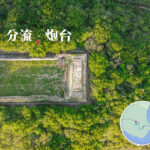
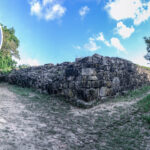
🔭 【Forts / Batteries】 stand as crucial witnesses to Hong Kong’s maritime defense history. Distributed across coastal strongholds and mountain peaks, they present a strategic layout of “defending Lei Yue Mun in the east and guarding Lantau Island in the west.” They consist of stone-built historical forts built during the Qing Dynasty to fend off pirates and foreign invaders, as well as modernized defense fortifications set up by British forces during the colonial era to safeguard Victoria Harbour. These ruins not only reflect the military strategies of different eras but also demonstrate Hong Kong’s specialized geographical significance—acting as the gateway to the South China Sea, where batteries served as the primary line of defense protecting shipping channels and harbors.
castles 2. Military Fortifications on Hong Kong Island
- Lei Yue Mun Fort (Shau Kei Wan)
- Built in 1887, located at the narrowest waterway on the eastern side of Victoria Harbour.
- Comprises a torpedo station, a redoubt, and caponiers; it now serves as the core historical trail of the Hong Kong Museum of Coastal Defence.
- Strategic Significance: Defending against European powers’ fleets entering Victoria Harbour.
- Mount Davis Battery
- Built in 1911, classified as a large-scale coastal defense battery.
- Engaged in heavy combat against Japanese forces during the 1941 Battle of Hong Kong; artillery plots, observation posts, and barrack ruins remain today.
- Pinewood Battery (Lung Fu Shan)
- Completed in 1905, standing at an altitude of 307 meters.
- Upgraded to an anti-aircraft battery prior to World War II to combat Japanese airstrikes; it is now a military heritage site inside the country park.
—
🏯 Kowloon District Batteries
- Devil’s Peak Battery (Yau Tong)
- Constructed by British forces in the early 20th century, encompassing Pottinger Battery, Gough Battery, and a redoubt.
- Once equipped with 9.2-inch guns to guard the Lei Yue Mun channel.
- British forces engaged in fierce combat with Japanese troops here during the 1941 Battle of Hong Kong before retreating to Hong Kong Island.
—
🌄 New Territories and Lantau Island Forts
- Tung Chung Fort
- Completed during the Daoguang reign of the Qing Dynasty (circa 1832), originally equipped with 6 cannons.
- Later utilized as a schoolhouse and a police station; declared a statutory monument in 1979.
- The granite-constructed walls feature three arched gateways (Gung Sun Gate, Jip Sau Gate, and Luen Kang Gate).
- Tung Chung Battery
- Adjacent to Tung Chung Fort, smaller in scale, and similarly constructed by Qing forces.
- Fan Lau Fort (Southwestern tip of Lantau Island)
- Built during the Qing Dynasty to defend the sea territories stretching from Tuen Mun to the Pearl River Estuary.
- Now a remote historical monument accessible only via hiking.
- Tung Lung Fort (Tung Lung Chau)
- Located on an offshore island outside Lei Yue Mun, constructed during the Qing Dynasty.
- Designed to defend the waters outside the Pearl River Estuary, it is now a popular excursion spot.
—
🏰 Distribution and Characteristics of Primary Hong Kong Forts
🔹 Qing Dynasty Statutory Monument Forts
Name English Name Year Built Location Functions & Characteristics 🏯 Tung Chung Fort Tung Chung Fort 1832 Lantau Island Defended Tuen Mun waters; later repurposed as a school campus. 🏯 Tung Chung Battery Small Tung Chung Fort Qing Dynasty Lantau Island Smaller in scale; part of the integrated defense system alongside Tung Chung Fort. 🏝️ Fan Lau Fort Fan Lau Fort 1729 Southwestern tip of Lantau Island Guarded the western shipping channels of the Pearl River Estuary; highly remote location. 🏝️ Tung Lung Fort Tung Lung Fort Qing Dynasty Tung Lung Chau Defended the marine territory outside Lei Yue Mun; built by Qing forces. —
🔹 British Colonial Era Fortifications
Name English Name Year Built Location Functions & Characteristics 🏯 Lei Yue Mun Fort Lei Yue Mun Fort 1887 Ah Kung Ngam, Shau Kei Wan Guarded the narrowest eastern entrance of Victoria Harbour; currently the Hong Kong Museum of Coastal Defence, featuring the Lei Yue Mun Military Fortification Historical Trail. 🏔️ Devil’s Peak Fort Devil’s Peak Fort Early 20th century Yau Tong Encompasses Pottinger Battery and Gough Battery; once armed with 9.2-inch guns and saw combat against Japanese troops in WWII. 🌄 Mount Davis Battery Mount Davis Battery 1911 Mount Davis, Sai Wan Deployed during the Battle of Hong Kong in WWII; artillery plots, observation towers, and barracks ruins are preserved. 🌲 Pinewood Battery Pinewood Battery 1905 Lung Fu Shan Country Park The highest anti-aircraft battery in Hong Kong; rendered inoperable after intense air raids by Japanese forces during WWII. —
🔹 Other Major Batteries
Name English Name Location Functions & Characteristics 🏯 Stanley Fort Stanley Fort Stanley Currently a military base; served as a vital line of defense during WWII. 🌊 Chung Hom Kok Battery Chung Hom Kok Battery Southern HK Island Situated on a headland; functions as a coastal defense facility. ⚔️ Sai Wan Battery Sai Wan Battery Shau Kei Wan Linked to the Lei Yue Mun defense network, guarding the eastern side of Victoria Harbour. 🏝️ Aberdeen Battery Aberdeen Battery Southern District Guarded the southern marine territory of Hong Kong Island. —With the passing of time, these forts gradually lost their military functions, yet their stone walls, pillboxes, and gun emplacements remain standing, turning into cultural monuments and tourist attractions today. Visitors ascending Devil’s Peak, Mount Davis, or exploring Tung Chung Fort can not only look out over spectacular seascapes but also feel the profound weight of history. The existence of these forts reminds us that Hong Kong was once a front line of maritime defense, adding further depth and narrative layers to the city’s story. —
🔭 Overview of Major Forts in Hong Kong
Battery Name Year Built Geographical Location Primary Function Current Status Stanley Fort 1841 Stanley, Southern HK Island Originally established during the Qing Dynasty to defend the southern waters of Hong Kong Island. Portions of the heritage site remain; close to Stanley Prison; most historical structures have been removed. Sai Ying Pun Battery 1850s Sai Ying Pun, Western HK Island Designed to protect the approaches into Victoria Harbour. The original site has been built over by urban development; most ruins no longer exist. Sai Wan Battery (Belcher’s) 1903 Sai Wan, Western tip of HK Island Constructed on high ground to prevent enemy landings from the west and entries into the port. Converted into a hiking trail; some ruins and bunkers are preserved. Lei Yue Mun Fort 1887 Lei Yue Mun Channel, Boundary of Kowloon and HK Island Monitored and defended the Lei Yue Mun channel, acting as a crucial defensive node for harbor entry. Converted into the Hong Kong Museum of Coastal Defence, open to the public. Devil’s Peak Battery Late 19th to early 20th century Devil’s Peak, Kwun Tong, Kowloon Monitored vessel entry into Lei Yue Mun and protected the coastal areas of Kowloon. Ruins are largely intact; has become a popular hiking destination. Mount Gough Battery Unknown, likely mid-19th century Mount Gough, Peak District Defended the shipping channels of the northern Kowloon Peninsula toward Victoria Harbour. Only minor structures remain; not fully open to the public, requiring academic research. Cameron Battery Early 1900s Tsim Sha Tsui, Cameron Road Used to reinforce the defense of southern Kowloon, particularly the open waters facing Victoria Harbour. The site is mostly covered by modern architecture; only an underground magazine survives. Lantau Island Batteries Multiple batteries built in mid-19th century Various locations on Lantau Island, such as Shek Pik Protected the coastal areas of Lantau Island to prevent incursions by pirates and foreign forces. Ruins are partially preserved; the original site is abandoned, and most structures have collapsed. Lei Yue Mun Fort 1887 Ah Kung Ngam, Shau Kei Wan Defended the eastern entrance of Victoria Harbour. Hong Kong Museum of Coastal Defence Mount Davis Battery 1912 Mount Davis, Sai Wan West coast defense. Country park heritage site Pinewood Battery 1903 Mid-Levels, Lung Fu Shan Anti-aircraft battery. Historical trail scenic spot Tung Chung Fort 1832 Tung Chung, Lantau Island Qing Dynasty naval base. Statutory monument Tung Lung Fort 1717 Tung Lung Chau, Sai Kung Qing Dynasty defense against pirates. Special protection area