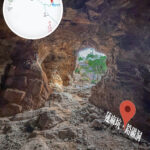
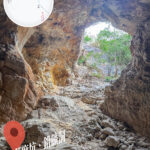
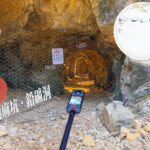
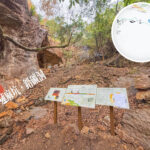
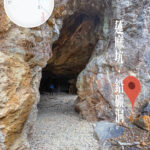
🪨 【Mines / Abandoned Mine Shafts】Hong Kong’s mining industry was once highly active, scattered across the mountain ranges of the New Territories and Hong Kong Island, with major mineral resources including iron, lead, wolfram (tungsten), and graphite. The most iconic mining sites include the Ma On Shan Iron Mine, the Lin Ma Hang Lead Mine, the Needle Hill Wolfram Mine, and the Tai Mo To Graphite Mine. These mines sustained Hong Kong’s industrial demands during the mid-20th century but had completely ceased production by the 1970s. Today, only the Lam Tei Quarry in Tuen Muen remains operational. —
Major Mines Distribution & Information
Mine Name Location Mineral / Resource Mining Era Key Features Ma On Shan Iron Mine Ma On Shan, New Territories Iron Ore 1906–1976 Once featured a 5,458-metre main tunnel and vertical shafts, equipped with a 2.2-km conveyor belt system connecting to the processing plant Lin Ma Hang Lead Mine Lin Ma Hang, New Territories (former Frontier Closed Area) Lead Ore, minor Gold and Silver 1860s–1962 Once housed 2,100 metres of tunnels; suffered illicit mining during the Japanese occupation, and ceased production in 1958 due to slumping prices Needle Hill Wolfram Mine Needle Hill, Sha Tin Wolfram (Tungsten) Ore 1935–1967 Prospered during the Korean War due to a sharp surge in wolfram prices, but closed later following price drops Tai Mo To Graphite Mine Around Tai Mo To (Brother Islands) Graphite Early 20th Century Limited scale, primarily supplied for industrial products Lam Tei Quarry, Tuen Mun Lam Tei, Tuen Mun Construction Aggregates / Rock 1964–Present The only quarry still operating in Hong Kong, meeting less than 10% of the local demand for construction materials Tai Mo Shan Graphite Mine Tai Mo Shan Graphite Early 20th Century Limited scale, utilized for industrial purposes Cha Kwo Ling & Ngau Tau Kok Quarries Kowloon East Granite 19th–20th Century Construction stone, exported to Guangzhou and the United States —
⛰️ Hong Kong’s Mining Footprints
Hong Kong is not just a bustling international metropolis; tucked away within its mountain ridges and coastlines lies a rich history of mining activities. From the Ma On Shan Iron Mine in the New Territories, to the Lin Ma Hang Lead Mine at the northern border, and the Needle Hill Wolfram Mine in Sha Tin, these mine shafts once provided vital resources for Hong Kong’s industries and infrastructure. Their distribution is closely linked to volcanic rock formations and fault zones, shaping a unique geological landscape. —
⚒️ The Rise, Fall, and Relics of the Industry
From the 19th century to the mid-20th century, Hong Kong’s mining sector boomed alongside global demands for metals, even becoming a crucial supply point during wartime eras. However, with slumping metal prices and rapid urban development, these mines gradually ceased operations, completely wrapping up commercial extraction by the 1980s. Today, only the Lam Tei Quarry in Tuen Mun remains active, while the remaining mine shafts have transformed into historical relics, reminding us of a different side of this city’s history. —
📍 Geographical Distribution
- Northeast New Territories: Ma On Shan Iron Mine, the largest in scale, once boasting over 8 kilometres of underground mining networks.
- Northern New Territories Border: Lin Ma Hang Lead Mine, containing lead, silver, and minor traces of gold.
- Sha Tin Mountains: Needle Hill Wolfram Mine, which thrived during WWII and the Korean War due to skyrocketing tungsten prices.
- Tai Mo Shan Area: Tai Mo To Graphite Mine, relatively small in scale.
- Hong Kong Island & Kowloon Coastlines: Granite quarries were historically active in areas such as Cha Kwo Ling, Ngau Tau Kok, and Stanley.
- Lam Tei, Tuen Mun: Lam Tei Quarry, the sole surviving quarry today.
—
⚒️ Mining History & Current Status
- 19th Century to Mid-20th Century: Hong Kong’s mining industry once thrived, particularly during wartime periods due to a sudden surge in global demand for metals.
- Mid-1970s: Plunging global metal prices coupled with rising labour costs forced mines to shut down one after another.
- Post-1982: The government stopped issuing new commercial mining licences altogether.
- Current Status: Only the Lam Tei Quarry in Tuen Mun remains operational, supplying aggregate stone for construction uses.
—
📉 Reasons for Decline
- Drop in Global Demand: Demand for steel and wolfram weakened significantly in the 1970s.
- Price Slump: Massive price fluctuations for metals like lead and wolfram made it difficult to maintain profitability.
- Rising Labour Costs: Wages in Hong Kong gradually increased, eroding the industry’s competitive edge.
- Urban Development Restrictions: Surging demand for land pushed the mining industry off the local stage.
—
🚨 Safety & Conservation
- Abandoned mine shafts pose a severe risk of collapse, with some vertical shafts dropping down over ten metres deep.
- These remote areas lack mobile phone signals, making emergency rescue operations extremely difficult; exploration by visitors is strictly discouraged.
- Selected quarry sites have been revitalised into parks or heritage conservation spots, such as the Ha Lo Wan Kiln Park in Chek Lap Kok, which showcases ancient iron-smelting relics.
—
⚠️ Points to Note
- Most mine caves are completely abandoned, presenting hazards like structural collapse and deep water logging; do not venture inside on your own.
- The government has ceased the issuance of commercial mining licences since 1982.
- Certain mining areas, like Lin Ma Hang, used to sit within the Frontier Closed Area; though now accessible, they still carry significant safety risks.