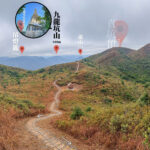
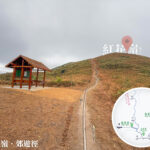
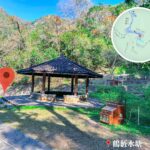
⛱️ 【Pavilions】On Hong Kong’s country trails, pavilions serve not only as resting places for hikers, but also as unique landmarks connecting nature with local culture. Mostly built at trail junctions, alongside reservoirs, or at scenic viewpoints, they provide visitors with shade and space to rest. The design of these pavilions is typically simple and seamlessly integrated into the environment, echoing the surrounding mountains, woodlands, and streams to become indispensable “green transit stations” on any journey 🌳.—At the same time, these pavilions carry profound educational and cultural significance. Some pavilions feature interpretation boards that introduce local geology, ecology, and conservation knowledge; others are symbolic due to their historical background, such as the ‘Commemoration Pavilion’ which marks milestone moments in Hong Kong’s history. A pavilion is both a place for rest and an outdoor classroom for nature education, as well as a vessel for cultural memory, turning every stop into an opportunity to explore the stories of Hong Kong’s wilderness 📖.
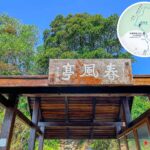
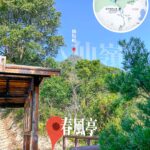
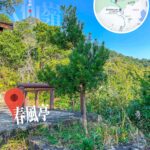
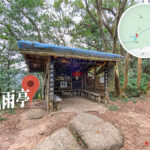
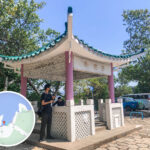
🌿 Spring Breeze Pavilion, Pat Sin Leng
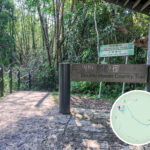
- Location: At the foot of Sin Kwu Fung in Pat Sin Leng Country Park, Tai Po; it serves as the second station on the Pat Sin Leng Nature Trail.
- Year of Completion: 12 March 1996, officially opened by the Governor, Chris Patten.
- Background: Built to commemorate two heroic teachers, Mr. Chow Chi-chai and Ms. Wong Sau-mei, who selflessly sacrificed their lives to save students during the tragic Pat Sin Leng hillfire on 10 February 1996.
- Architectural Features:
- The horizontal plaque was inscribed by the grand master of Chinese painting, Dr. Fang Zhaoling.
- Two Buddhist pines are planted in front of the pavilion, symbolising that the teachers’ spirit lives on forever.
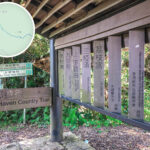
- Inside houses three inscribed stone tablets: the central one is the unveiling commemorative tablet, flanked by Chinese and English inscriptions penned by the Director of Education, Mrs. Helen Yu Lai Ching-ping.
- Scenery: Backed by the continuous peaks of Pat Sin Leng and facing the Plover Cove Reservoir.
- Significance: Symbolising the noble spirit of “moulding lives with love and care” and the dedication of educators protecting lives.
—
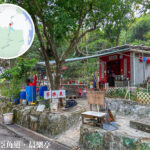
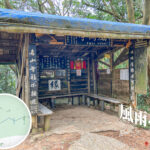
🌧️ Kowloon Pass Storm Pavilion
- Location: At Kowloon Pass between Lion Rock and Beacon Hill, sitting at an elevation of approximately 250 metres.
- Route: Situated along Section 5 of the MacLehose Trail, also connecting to the Eagle’s Nest Nature Trail.
- Background: Since ancient times, Kowloon Pass has been a vital transport artery linking Kowloon and the New Territories; the pavilion is designed to shield hikers from wind and rain while offering a place to rest.
- History: The surrounding area preserves military remnants from World War II, such as pillboxes and trenches, standing witness to the Battle of Hong Kong in 1941.
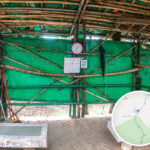
- Architectural Features: A three-sided enclosed wooden structure equipped with benches, simple and highly practical.
- Scenery: Offers a panoramic view over the urban cityscape of the Kowloon Peninsula and the magnificent silhouette of Lion Rock, particularly breathtaking at sunset.
—
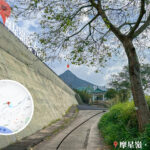
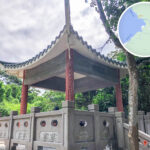
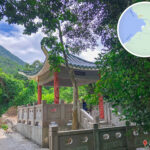
🇭🇰 Kowloon Pass Commemoration Pavilion
- Location: Kowloon Pass, nestled between Lion Rock and Beacon Hill, at an elevation of approximately 310 metres.
- Year of Completion: Shortly after 1997, built by the ‘Kowloon Committee for Celebration of Reunification of Hong Kong with China’.
- Inscription: Personally named and inscribed by the first Chief Executive of Hong Kong, Tung Chee-hwa.
- Architectural Features: A traditional Chinese pavilion structure featuring an attached stone tablet that records the historical background of the Handover of Hong Kong.
- Scenery: Looking south from the pavilion offers a bird’s-eye view of the bustling urban landscape of Kowloon.
- Significance: Symbolising a major historical turning point for Hong Kong, making it a cultural landmark nestled in nature.
—
🦁 Lions Pavilion, Victoria Peak
- Location: Next to the Peak Tower at Victoria Gap on Victoria Peak, Hong Kong Island; commonly known as the ‘The Peak Lions Pavilion’.
- Official Name: Ming Yan Pavilion, donated and built by the Lions Clubs International.
- Year of Completion: Foundation stone laid in 1975, completed in 1976, and extensively refurbished in 1992.
- Architectural Features: Classic Chinese design adorned with stone lions around the pavilion and a moon gate at the entrance; the four main stone lions symbolise the UK, China, the Netherlands, and Portugal, which historically influenced or governed Hong Kong.
- Scenery: One of the finest free vantage points in the city, overlooking the world-famous night view of Victoria Harbour on both shores.
- Significance: Has become an absolute must-visit landmark for tourists.
—
🌟 Pavilion Comparison Table
Pavilion Name Location Year Built Key Features Significance / Symbolism Spring Breeze Pavilion Pat Sin Leng Country Park 1996 Commemorating teachers lost in the hillfire; features stone inscriptions and Buddhist pines The spirit of education and a reminder for fire prevention Storm Pavilion Kowloon Pass Original unknown; rebuilt 1997 Shelter from rain and rest area; surrounded by WWII military remnants Hiking safety and a witness to local history Commemoration Pavilion Kowloon Pass Post-1997 Inscribed by Tung Chee-hwa; stone tablet records the Handover A cultural landmark for the Handover of Hong Kong Lions Pavilion Victoria Peak 1976, rebuilt 1992 Stone lion decorations; panoramic Victoria Harbour views A must-visit destination for tourists