🚽【Public Toilets】 In a densely populated city like Hong Kong, public toilets are not only an essential everyday facility, but also a crucial component of urban planning and public health. From bustling bus termini, wet markets, to the historic underground public toilets in Central and Sheung Wan, these facilities have witnessed over a century of Hong Kong’s urban evolution. Their distribution mirrors the needs of high-traffic zones and showcases the government’s clever spatial planning on limited land. 🌏 Meanwhile, early-model aqua privies (dry toilets) can still be spotted in New Territories villages and outlying islands, with some yet to be completely converted. These public toilets are more than just public utilities; they are a miniature of culture and history. Cruising from the underground designs of the colonial era to today’s modern public toilets equipped with accessible facilities and baby care rooms, they carry the footprints of Hong Kongers’ daily lives and reflect society’s growing emphasis on public hygiene and social equality.
🚻 Geographical Distribution & Features
- Urban Public Toilets:
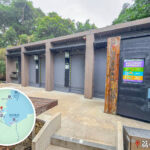
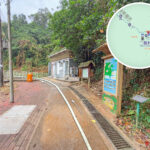
- Commonly located in bustling, high-traffic areas such as bus termini, wet markets, and underneath flyovers.
- Example: Moreton Terrace Public Toilet.
- Features: Easily accessible, serving high-density pedestrian flows.
- Underground Public Toilets:
- Built around the late 19th century, predominantly clustered in Central and Sheung Wan.
- Example: Wellington Street Underground Public Toilet.
- Features: Maximises land saving, holds significant heritage value, though layouts tend to be narrow.
- Rural Aqua Privies:
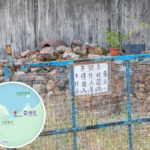
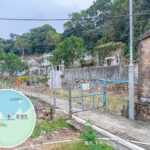
- Set up by the government in the early days across the New Territories and outlying islands due to the lack of sewerage networks.
- Example: Kat O Pier Public Toilet in Sha Tau Kok, Tap Mun Pier Public Toilet in Tai Po.
- Features: Flushess in the early days, subsequently converted into flushing toilets phase by phase.
- Standalone Urinals:
- Only two male-only urinals designed strictly for urination remain in Hong Kong.
- Example: MacDonnell Road in Mid-Levels, Kimberley Road in Tsim Sha Tsui.
- Features: Extremely rare with a unique standalone character.
—
📊 Management & Statistics
Type Distribution Locations Managing Department Key Features Standalone Public Toilets Urban areas, wet markets, bus termini FEHD The largest in number, featuring standardised designs Underground Public Toilets Old districts such as Central and Sheung Wan Urban Council (Historical) Maximises land saving; only a few remain open today Rural Aqua Privies New Territories, Outlying Islands AFCD Flushless in the early days; later converted or refurbished Park / Leisure Facility Toilets Parks, swimming pools, playgrounds LCSD Approx. 1,100 toilets serving park-goers and visitors Urinals Mid-Levels, Tsim Sha Tsui FEHD Exclusively for urination; exceptionally rare 📌 As of April 2025:
- FEHD manages 812 public toilets
- AFCD manages 64 public toilets
- LCSD manages approx. 1,100 public toilets
- There are still 27 aqua privies that have yet to be converted into flushing toilets
—
🌏 Culture & History of Public Toilets
- Historical Evolution: Evolving from the notorious “Oh See Hong” (屙屎巷 – latrine alleys) to modernised facilities, reflecting a massive leap in public hygiene.
- Gender Culture: Early underground public toilets were predominantly male-only, mirroring the historical social background of “preferring men over women”.
- Environmental Impact: Aqua privies were once heavily criticized for foul odours, mosquitoes, and pest issues, which eventually drove the universal transition to flushing systems.
- Urban Culture: The locations of public toilets are deeply linked with pedestrian hubs, making them an integral part of urban planning.
—
🗺️ A Miniature of Urban History
Hong Kong’s public toilets are not just facilities for daily convenience, but a miniature of the city’s history:
- Urban Areas → Convenience and standardisation
- Old Districts → Smart utilization of underground spaces
- Rural & Outlying Islands → The progression of hygiene enhancement
- Standalone Urinals → Rare cultural and heritage remnants
—
🧭 Trivia & Quick Facts
- Certain public toilets in Hong Kong are equipped with “baby care rooms” and “accessible facilities” to foster social inclusivity.
- The Wellington Street Underground Public Toilet in Central was once hailed as a “symbol of public health in the colonial era”.
- The urinal on Kimberley Road in Tsim Sha Tsui is often regarded by travellers as an “urban curiosity” due to its peculiar location.