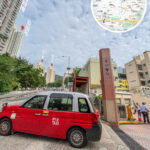
🚖 【Taxi】 is one of Hong Kong’s most iconic forms of public transportation. With a fleet of approximately 18,163 vehicles, they are instantly recognizable and color-coded into Urban Taxis (Red), New Territories Taxis (Green), and Lantau Island Taxis (Blue). Serving close to a million passenger trips daily, taxis offer the ultimate point-to-point flexibility across the territory—whether patrolling the dense streets of Central, navigating the shopping hotspots of Tsim Sha Tsui, or exploring tourist destinations on Lantau Island. They provide a more direct, hassle-free transit alternative compared to the MTR or buses, making them the preferred choice for commuters carrying heavy luggage, racing against the clock, or heading to remote pockets of the city.
🚖 Fleet Characteristics
Item Details Name Origin Transliterated from the English word “Taxi.” Fleet Distribution Urban Taxis 🔴: 15,250 vehicles
New Territories Taxis 🟢: 2,838 vehicles
Lantau Taxis 🔵: 75 vehiclesDaily Ridership Averaged around 682,000 passenger trips per day in 2024, representing a near 30% drop compared to 2015. Average Vehicle Age Approximately 8 years. Average Driver Age 59 years old. Vehicle Models Dominated by the Toyota Crown Comfort, supplemented in recent years by the Nissan NV200 (equipped with wheelchair ramps, USB ports, and Wi-Fi). Payment Methods Predominantly cash-based, though select taxi fleets now accept digital payments such as Octopus, AlipayHK, and WeChat Pay. —Hong Kong’s taxis are color-coded to denote their specific operating zones, with localized fare structures across a combined fleet of over 18,000 vehicles. Whether it is a traveler stepping off a long-haul flight at Hong Kong International Airport or a night owl heading home from Mong Kok after midnight, these distinct sedans remain an indispensable symbol of Hong Kong’s urban fabric.—
🎨 The Three Taxi Types and Operating Zones
Color Classification Operating Boundaries Flag-Fall Rate Key Features 🔴 Red Urban Taxi All of Hong Kong Island, Kowloon, and most parts of the New Territories (excluding southern Lantau Island). HK$29 (First 2 km) The widest coverage and the largest fleet volume. 🟢 Green New Territories Taxi Northeast New Territories (north of Sha Tin) and Northwest New Territories (north of Tsuen Wan). HK$25.5 (First 2 km) Slightly cheaper rates; tailored to serve suburban and rural areas. 🔵 Blue Lantau Taxi Exclusively within Lantau Island and Chek Lap Kok (Airport). HK$24 (First 2 km) The smallest fleet size; dedicated to outlying island transit. 📍 Universal Service Hubs
- Hong Kong International Airport
- Hong Kong-Zhuhai-Macao Bridge Hong Kong Port
- Hong Kong Disneyland
All three categories of taxis are legally permitted to pick up and drop off passengers at these major international hubs.—
💰 Fare Structure
Category Flag-Fall Rate Incremental Charge Rate Drop Threshold Notes 🔴 Urban Taxi HK$29 for the first 2 km HK$2.1 per subsequent 200m Drops to HK$1.4 per 200m after reaching HK$102.5 Offers full city-wide coverage. 🟢 New Territories Taxi HK$25.5 for the first 2 km HK$1.9 per subsequent 200m Drops to HK$1.4 per 200m after reaching HK$82.5 Lower pricing structure; restricted to specific northern boundaries. 🔵 Lantau Taxi HK$24 for the first 2 km HK$1.9 per subsequent 200m Drops to HK$1.6 per 200m after reaching HK$195 Smallest fleet size; caters mainly to airport commuters and rural island tourists. ➕ Surcharges & Extras
- 🧳 Luggage: HK$6 per piece
- 🐕 Pets: HK$5 per animal
- 📞 Telephone Booking: HK$5
- 🚇 Tunnel Tolls: Paid by the passenger (e.g., Cross-Harbour Tunnel toll of HK$25 plus a HK$25 return toll fee)
—
💡 Hailing Options
Method Description Common Locations & Platforms 🚏 Designated Taxi Stands Fixed, high-traffic queues where passengers line up and board in an orderly fashion. MTR station exits, major shopping malls, and main thoroughfares. 📞 Radio Dispatch Calling a centralized taxi hotline to have a vehicle dispatched directly to a location. Various dispatch operators. 📱 Mobile Apps Booking an on-demand ride via mobile applications, with many drivers dual-registering on rideshare networks. HKTaxi, Uber. ✋ Street Hailing Waving down an available cruiser directly from the pavement. Common across high-density areas like Mong Kok, Causeway Bay, and Tsim Sha Tsui. —
⚡ Modernization & Sector Reforms
- Premium Taxi Fleets: The government has introduced a formal “Taxi Fleet License” system to improve booking efficiency and elevate customer service standards.
- Language Proficiency & Training: Self-learning English and Mandarin modules are distributed to drivers to enhance communication with international tourists.
- Electric Taxis (e-Taxis): Transition remains gradual; clean energy vehicles make up less than 1% of the overall active fleet.
- In-Cabin Safety Fleet Upgrades: The administration plans to mandate the installation of central recording camera systems inside cabins to mitigate disputes and reduce complaints.
—
⚠️ Current Realities & Structural Challenges
- Declining Ridership: Daily passenger volumes have dropped by nearly 30% compared to 2015 peaks.
- Intense Competitive Pressures: The continuous expansion of the MTR heavy rail network and the rise of ridesharing apps have diverted significant commuter traffic away from traditional flag-down service.
- Quality Control Issues: Frequent passenger complaints persist regarding service shortfalls such as refusing hires, cherry-picking lucrative routes, taking indirect paths, and overcharging fares.
- Aging Workforce: The average age of drivers hovers around 59 years old, raising long-term concerns regarding workforce sustainability and road safety.
- License Premium Volatility: Urban taxi license premiums, which once peaked at a staggering HK$7 million in 2010, have dropped significantly over the past decade, reflecting a changing investment landscape in public transport assets.