🏮 【Temple】 culture is a multi-layered tapestry woven from the beliefs of Hong Kong’s seafaring fishers, ancestral clan traditions, and the spiritual anchors of urban life. From coastal Tin Hau temples protecting sailors to urban Man Mo temples symbolizing scholarly and career success, and Buddhist monasteries like Po Lin Monastery, these sites are more than just religious venues—they are the core of community cohesion. Their existence reflects a deep-seated reverence for nature, ancestors, and deities, witnessing the city’s transformation from a fishing village to an international metropolis.—
🏮 Temple Distribution Highlights
Hong Kong Island
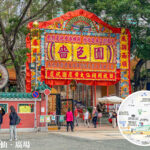
- Man Mo Temple (Sheung Wan, 1847): A declared monument dedicated to the Gods of Literature and Martial Arts; signifies academic and career blessings.
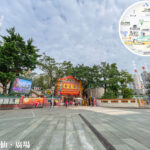
- Causeway Bay Tin Hau Temple: The oldest Tin Hau temple on the island; it gives the nearby MTR station its name.
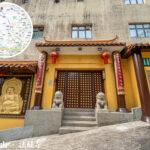
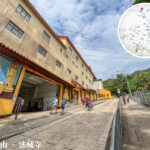
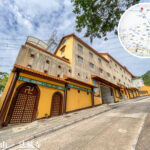
- Lin Fa Temple (Tai Hang, 1846): An octagonal building dedicated to Kwun Yum, known for its unique architectural style.
- Tam Kung Temple (Shau Kei Wan, 1905): Dedicated to Tam Kung, the patron deity of fishers; the “Tam Kung Festival” is still celebrated annually.
Kowloon
- Wong Tai Sin Temple (Wong Tai Sin, 1921): Famous for “answering every prayer,” this site uniquely integrates elements of Buddhism, Taoism, and Confucianism.
- Chi Lin Nunnery (Diamond Hill, 1936): A stunning Buddhist architectural complex linked to the Nan Lian Garden; its Tang Dynasty-style design attracts many international visitors.
- Hau Wong Temple (Kowloon City, pre-1730): Dedicated to King Yeung Hau; built on an elevated platform with defensive characteristics.
New Territories
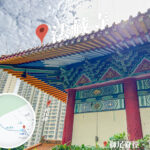
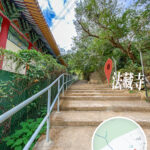
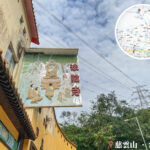
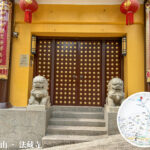
- Ching Shan Monastery (Tuen Mun, Eastern Jin Dynasty): One of the “Three Great Ancient Temples” of Hong Kong, linked to the legend of Bodhidharma.
- Ling To Monastery (Yuen Long, 5th Century): One of the oldest Buddhist temples in Hong Kong and a cradle of local Buddhism.
- Ling Wan Monastery (Yuen Long, 1425): A Buddhist academy for women and one of the “Three Great Ancient Temples.”
- Che Kung Temple (Sha Tin, 17th Century): Extremely popular during the Lunar New Year for spinning the “lucky fan” to seek blessings.
- Tai Po Old Market Tin Hau Temple: Houses a bronze bell from the Kangxi era, making it one of the earliest Tin Hau temples in the region.
Outlying Islands
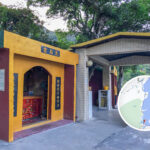
- Tin Hau Temple (Fat Tong Mun, Clear Water Bay, 1266): Hong Kong’s oldest Tin Hau temple, commonly known as the “Big Temple.”
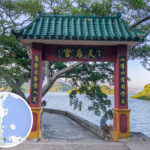
- Tap Mun Tin Hau Ancient Temple: Features a bell from the Qianlong era, testifying to historic fishing community faith.
- Po Lin Monastery (Ngong Ping, 1906): A major Buddhist pilgrimage site linked to the iconic Tian Tan Buddha.
- Ten Thousand Buddhas Monastery (Sha Tin, 1957): Famous for its nine-story pagoda and 500 gold-leaf arhat statues.
—✨ These sites carry both architectural beauty and cultural memory. Whether it is the ancient atmosphere of Ching Shan Monastery, the legendary prayers at Wong Tai Sin, or the gold-leaf statues of the Ten Thousand Buddhas Monastery, the impact of religious art is profound. These temples are windows into Hong Kong’s history—stepping into them is like walking into living, breathing stories.—
🏛️ Temple Overview Table
Region Temple Year Established Key Features HK Island Man Mo Temple 1847 Declared monument; Literature and Martial Gods Kowloon Wong Tai Sin Temple 1921 Famed for answered prayers; Three-religion integration Kowloon Hau Wong Temple pre-1730 Built on a high platform; defensive design New Territories Ching Shan Monastery Eastern Jin One of the Three Great Ancient Temples New Territories Che Kung Temple 17th Century Famous for Lunar New Year fan-spinning New Territories Tai Po Old Market Tin Hau Temple 1691 Features historic Kangxi-era bronze bell Outlying Is. Tin Hau Temple (Fat Tong Mun) 1266 Oldest Tin Hau temple in Hong Kong Outlying Is. Po Lin Monastery 1906 Connected to the Tian Tan Buddha Outlying Is. Ten Thousand Buddhas Monastery 1957 Nine-story pagoda; 500 gold arhats —
🌟 Cultural Significance
- Tin Hau Temples: Distributed throughout the territory, these reflect the deep-rooted maritime faith of fishing communities.
- Wong Tai Sin Temple: A Taoist center that combines traditional Chinese medicine, divination, and blessing ceremonies.
- Man Mo Temple: Symbolizes the balance of literature and martial arts, closely linked to Hong Kong’s early merchant society.
- Buddhist Monasteries: Sites like Po Lin and Ching Shan showcase architectural art and traditional monastic practice.