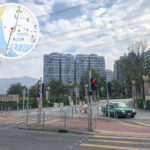
🚦 【Traffic Lights】 are not merely symbols of traffic safety; they are the pulsing heartbeat of Hong Kong’s urban rhythm. The classic vertical 🔴🟡🟢 stack provides clear, standardized directives for vehicles and pedestrians alike: red for stop, yellow for caution, and green for go. Since their widespread introduction in the late 1960s, these systems have largely replaced manual traffic control, becoming an indispensable part of urban operations. Whether in the frantic business hub of Central, the bustling streets of Mong Kok, or the community-focused residential areas of Tsuen Wan, traffic lights silently safeguard every commuter.
📌 Basic Structure
- Signal Sequence:
- 🔴 Red: Stop
- 🟡 Yellow: Caution; prepare to stop or change
- 🟢 Green: Proceed
- Installation Locations:
- Busy intersections
- Pedestrian crossings
- Schools, shopping malls, and public housing estates
—Beyond basic signaling, Hong Kong’s traffic light design reflects a human-centric approach. 📍 Pedestrian crossings feature the iconic “yellow button” box, integrated with vibration and audio signals to assist visually impaired individuals. Some locations even feature Octopus card readers, allowing elderly residents to extend the green light duration. Recently, specialized designs for “phubbers” (phone-snubbers) have been introduced, projecting red light onto the pavement or overhead to alert pedestrians distracted by their screens. These details not only enhance safety but also showcase Hong Kong’s commitment to smart, inclusive urban management.—
🔊 Signature Features
- Audio Cues:
- The rhythmic “beep-beep” sound alerts pedestrians to cross; the frequency accelerates as the green signal nears its end, urging pedestrians to clear the crossing.
- Tactile Feedback:
- The “yellow box” is equipped with a vibration component, allowing visually impaired users to perceive when the signal changes.
- Extended Crossing Time:
- Some crossings feature Octopus card readers where the elderly or those with reduced mobility can tap their card to extend the green light duration.
- Bilingual Design:
- All signage includes both Chinese and English, paired with clear icons for both locals and travelers.
—
🕰️ Evolution & History
- 1950s: Traffic police officers directed flow from roadside traffic kiosks.
- 1968: Hong Kong introduced its first semi-electronic traffic light system.
- Late 1970s: Automatic traffic lights fully replaced manual police kiosks.
- 2003: Gradual rollout of the “yellow box” with integrated vibration feedback for accessibility.
- 2020: The final set of classic “black boxes” was retired in Taikoo Shing.
- 2023–Present: Introduction of “phubber-friendly” designs, projecting light onto the ground or overhead to alert distracted pedestrians.
—
🌍 Cultural Significance
- Urban Rhythm Icon: The traffic light and its rhythmic “beep-beep” sound are essential parts of Hong Kong’s daily soundscape.
- Cinematic Symbol: A staple in Hong Kong films and TV dramas, often used to signify the relentless pace of city life.
- Accessibility Standard: Reflects Hong Kong’s care for vulnerable groups and promotes a more inclusive city environment.
- British Colonial Legacy: The habit of looking both left and right before crossing remains a lingering influence of Hong Kong’s colonial traffic culture.
—
🗺️ Notable Locations
- Central: A dense business district where traffic lights and audio prompts are critical for managing high pedestrian volume.
- Mong Kok: High-density crowds necessitate a seamless blend of traffic lights and overhead footbridges.
- Taikoo Shing: The final home of the legacy “black box” signal, witnessing the transition of Hong Kong’s infrastructure.
- Tsim Sha Tsui: A tourism hotspot where bilingual signage and clear audio cues assist international visitors.
—
🚦 Design & Functionality Overview
Feature Era Key Design/Function Black Box 1968–2003 Classic bilingual signage and “WAIT” indicator. The final set was retired at Taikoo Shing. Yellow Box 2003–Present Replaced black boxes; includes tactile vibration for visually impaired users and a “Please Wait” indicator. Audio Cues Ongoing The distinct “beep-beep” sound urges pedestrians to cross safely and efficiently. Octopus Extension Recent Years Elderly-friendly; allows registered users to tap their Octopus card to extend the crossing duration. Phubber-Friendly 2023–Present Projects red light onto the pavement or overhead to alert those looking down at their phones.