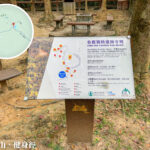
🌲 【Pinewood Battery(松林 炮台)】 is located on the ridge of Lung Fu Shan (龍虎山) in the northwestern part of Hong Kong Island. Sitting at an elevation of approximately 307 metres, it stands as the highest fort ruin in Hong Kong. Built in the early 20th century, this military facility was originally established by the British forces as a coastal defence battery to guard against foreign powers, and was later converted into an anti-aircraft battery in the 1930s. Today, it has been integrated into 【Lung Fu Shan Country Park (龍虎山郊野公園)】, transforming into a unique attraction that blends history with nature.
📌 Fast Facts
Item Details 📍 Location West Mid-Levels, Hong Kong Island, near Kotewall Road (克頓道), within Lung Fu Shan Country Park (龍虎山 郊野公園) ⛰️ Elevation 307 metres, the highest battery in Hong Kong 🏗️ Year of Construction Construction started in 1901, completed in 1905 🎯 Original Purpose Coastal defence battery (defending against France and Russia) 🔄 Converted Purpose Anti-aircraft battery (1930s) ⚔️ Wartime Experience Heavily bombed and shelled during the Battle of Hong Kong (1941) 🏞️ Current Status Incorporated into Lung Fu Shan Country Park (龍虎山 郊野公園), featuring the ‘Pinewood Battery Heritage Trail’ for visitors to explore 🌳 Environment Surrounded by a dense pine forest, which gave it the name ‘Pinewood Battery’. It offers an open view overlooking Victoria Harbour (維多利亞港), with a strategic and commanding terrain that provided defensive advantages. 🏛️ Special Relics City Boundary Stone (維多利亞城界碑), anti-aircraft gun platforms, barracks — During the Battle of Hong Kong (1941), Pinewood Battery was subjected to intense bombardment, forcing the defenders to abandon the site and leaving behind ruins riddled with shell splinters. Today, the battery relics still preserve structures like the Command Post, Ammunition Store, and Anti-Aircraft Gun Platforms, with the ‘Pinewood Battery Heritage Trail’ set up for visitors to explore. This location serves as both a witness to military history and an excellent getaway for locals and tourists to embrace nature and look back at history right on the edge of the bustling city. —
⚔️ Historical Background
Time/Stage Content 🏗️ Construction Era Proposed by the British military in 1898, construction began in 1901 and was completed in 1905. 🎯 Original Purpose Built to defend against potential invasions by France and Russia, equipped with two 6-inch coastal guns. 🔄 Decommission & Conversion With the commissioning of the Mount Davis Battery (摩星嶺要塞) in 1912, Pinewood Battery was decommissioned in 1913. In the 1930s, it was converted into an anti-aircraft battery, adding two 3-inch anti-aircraft guns, barracks, and bunkers. ⚔️ Wartime Experience
- On 8 December 1941, the Battle of Hong Kong broke out, and Japanese forces launched air raids on the battery.
- On 15 December, Japanese artillery deployed in Kowloon heavily shelled the area. After enduring 4 hours of intense artillery fire, the anti-aircraft guns and sights were destroyed, forcing the garrison to retreat.
🏚️ Post-war Condition The battery fell into disuse, but the ruins remain well-preserved, making it a significant wartime heritage site in Hong Kong. —
🏛️ Surviving Relics
- Pinewood Battery Picnic Area (松林廢堡郊遊區): Preserves ruins of the command post, observation post, ammunition store, and barracks.
- Pinewood Battery Heritage Trail (松林廢堡歷史徑): Approximately 400 metres long, lined with explanatory panels introducing the history of the battery.
- Featured Relics:
- City Boundary Stone (City Boundary 1903), a stone pillar inscribed with ‘City Boundary’ that bears witness to the early urban boundaries of Hong Kong Island.
- Anti-aircraft gun platforms and bunkers.
- Abandoned barracks, staircases, and bullet/shrapnel scars on the walls.
—
🚶♂️ Visitor Information
- Heritage Trail Length: Around 400 metres, with explanatory boards along the way.
- Transport: Accessible by walking from The Peak (太平山山頂) or the Kotewall Road Bus Terminus (旭龢道巴士總站).
- Features: The ruins still retain visible shrapnel scars from the war, and parts of the barracks have been converted into a picnic area. Warning signs are also put up to prohibit air guns or firearms from entering, ensuring the protection of the heritage site.