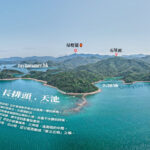
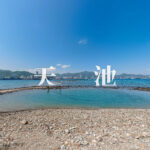
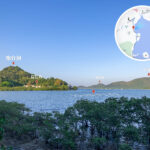
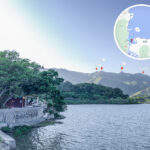
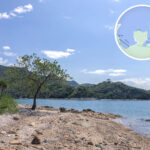
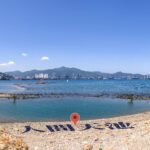
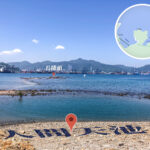
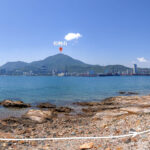
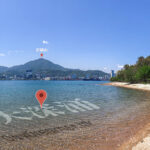
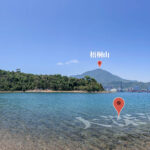
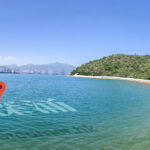
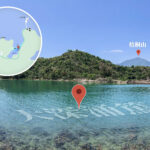
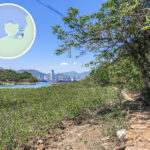
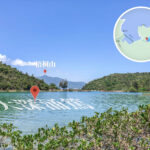
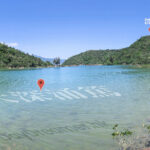
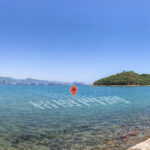
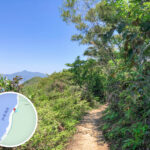
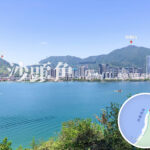
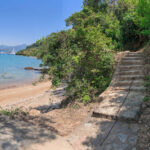
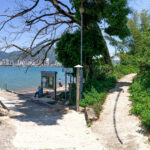
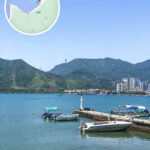
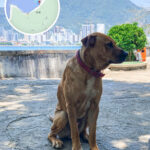
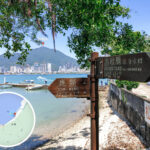
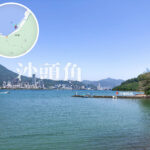
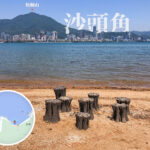
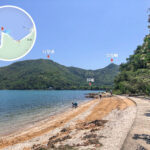
🌊【Starling Inlet (沙頭角海 – also known as Sha Tau Kok Sea)】 is a frontier marine area situated in the northeastern New Territories of Hong Kong. Backed by Wutong Mountain in Shenzhen and facing Dapeng Bay, the landforms create a sheltered, landlocked bay spanning approximately 1,800 hectares. Straddling the border between Shenzhen and Hong Kong, it serves as a natural typhoon shelter and has historically been a critical hub for fishing and maritime shipping. The expansive waters of Starling Inlet are dotted with islands such as Kat O and Ap Chau, forging an interlocking landscape of mountains and sea that evokes both natural tranquility and border tension.
📌 Quick Facts
Item Detailed Information 📍 Location Northeastern New Territories, Hong Kong, forming part of the Sha Tau Kok Peninsula. It is nestled between Shuen Wan (Plover Cove Country Park) and Yan Chau Tong, extending out to offshore islands like Kat O and Ap Chau. 📐 Area Approximately 56 square kilometers. Bordering Yantian, Shenzhen to its northeast, it ranks as one of the largest inland marine bays in Hong Kong. 🛂 Border Nature Adjoins Chung Ying Street in Shenzhen, where a street center boundary line historically marked the division between British and Chinese territories along the Sha Tau Kok River course. 🔓 Opening Status Designated as part of the Frontier Closed Area in 1951. Tourism access has been phased in incrementally since 2022, culminating in full public access in 2024 (with the sole exception of Chung Ying Street). — Beyond its geographic distinctiveness, Starling Inlet preserves a profound treasury of cultural memory. Having been cordoned off as a Frontier Closed Area since 1951, these waters remained insulated from the outside world for decades, opening up only in recent years. Coastal Hakka villages like Lai Chi Wo still feature intact traditional walled layouts and unblemished environments, while the boundary stones running down the center of Chung Ying Street stand as physical monuments to a century of border history. Consequently, Starling Inlet functions as a captivating stage where wilderness, frontier lore, and Hakka heritage converge, peeling back the layers on a hidden side of Hong Kong. —
🗺️ Geographic & Ecological Features
Feature Detailed Description ⚓ Natural Haven The landlocked shape of Starling Inlet yields an excellent natural typhoon shelter, serving as a historically significant base for local fisheries and maritime trade. 🏝️ Island Clusters Includes islands like Kat O, Ap Chau, and Sam A Chung. The archipelago displays varied terrain, with certain islands showcasing rare geological formations (such as the red sedimentary rock formations on Ap Chau). 🌱 Ecological Wealth Boasts rich mangrove forests, coral communities, and nesting habitats for migratory waterbirds like grey herons. The adjacent village of Lai Chi Wo stands as one of Hong Kong’s most vital eco-conservation sites. 🏞️ Urban-Nature Contrast Visitors can simultaneously take in the rolling ridgelines of Plover Cove Country Park and the modern urban skyline of Shenzhen, creating a striking visual juxtaposition. —
🚤 Transit & Tourism
- Transportation: Visitors can board KMB Bus Route 78K or green minibus routes 55K/56K to reach Sha Tau Kok Town. From the local pier, scheduled kaito ferries run to offshore destinations including Kat O and Ap Chau.
- Key Attractions:
- Lai Chi Wo: An ancient Hakka walled village renowned for its intensive eco-cultural conservation efforts.
- Yan Chau Tong Marine Park: Famous for its placid, mirror-like waters, scenic landforms, and vibrant marine biodiversity.
- Sha Tau Kok Story House: An exhibition venue dedicated to showcasing the history, daily life, and culture of this frontier town.
—
🏛️ Historical & Cultural Context
Aspect Detailed Context 🛂 Closed Area History Strictly restricted since 1951, requiring a Closed Area Permit (CAP) for entry. The phased opening began in 2022, expanding by 2024 to encompass the entire district except for Chung Ying Street. 🪧 Chung Ying Street Granite markers down the street center symbolize a century of border history. It once thrived as a cross-border duty-free shopping hotspot, embodying a unique space for Shenzhen-Hong Kong interaction. 🎎 Hakka Heritage Primarily settled by Hakka and Hoklo (Fujianese maritime descendants) communities. Traditional customs such as the “Fish Lantern Dance” and “Land Dragon Boat” ceremonies continue to be preserved here. 🚢 Sha Tau Kok Pier Stretching roughly 280 meters, it holds the title of the longest pier in Hong Kong. It serves as the primary maritime gateway to outer islands, offering unhindered vistas of Shenzhen and the mountain ridges of Plover Cove. —
🏞️ Prominent Landmarks & Points of Interest
- Sha Tau Kok Pier
- A 280-meter structure making it Hong Kong’s longest public pier.
- Provides a vantage point to view the contrasting Shenzhen skyline and the green hillsides of Hong Kong.
- Lai Chi Wo
- A well-preserved Hakka village with a history stretching back over 400 years.
- Home to lush mangrove beds and rare coastal plant communities, including impressive White-flower Derris climbing vines.
- Chung Ying Street
- Delineated by historic granite boundary stones tracking the geopolitical border.
- Maintains significant historical symbolism as a unique monument to regional trade and diplomacy.