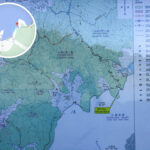
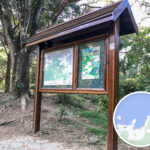
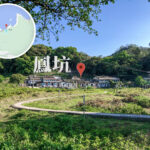
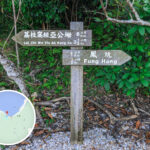
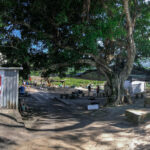
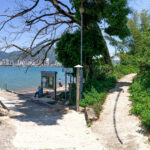
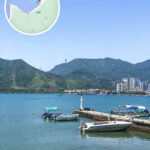
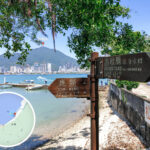
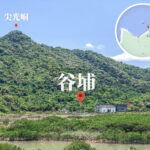
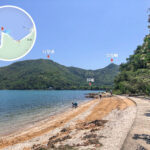
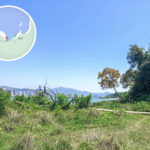
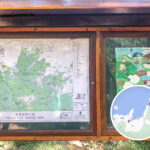
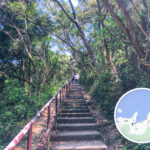
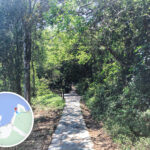
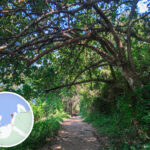
🏮 【Tiu Tang Lung Path (吊燈籠徑)】 is located within Plover Cove • Country Park in the northeastern New Territories of Hong Kong. Connecting Wu Kau Tang and Lai Chi Wo, it serves as the primary route for hikers looking to challenge Tiu Tang Lung. Standing at 416 meters above sea level, the peak gets its name (“Hanging Lantern”) from its steep terrain that resembles an ancient hanging lantern, earning it the reputation as the “Most Perilous Peak in Northeastern New Territories”. —
📌 Basic Information
Item Details 📍 Location Northeastern New Territories, Plover Cove • Country Park ⛰️ Elevation 416 m 🚩 Main Starting Point Wu Kau Tang 🏘️ Main Endpoint Lai Chi Wo 🛤️ Distance Approx. 7.5–11 km ⏱️ Duration Approx. 4–5 hours 💪 Difficulty Intermediate to Advanced. Features scrambling sections; suitable for experienced hikers. —
🏞️ Geographical Highlights
- Four Main Ridge Routes
- South Ridge: The shortest but steepest route, highly challenging.
- East Ridge: Overgrown and hidden paths, less frequented by hikers.
- West Ridge: Passes through Fan Kei Tok, offering wide, open views.
- North Ridge: Climbs up from Ha Tong, very quiet and secluded.
- Scenic Highlights
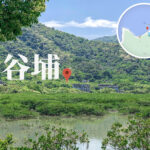
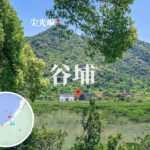
- Yan Chau Tong (Double Haven): Dubbed “Hong Kong’s Mini Guilin”, famous for its gorgeous mangroves and calm bays.
- Plover Cove • Reservoir: Hong Kong’s largest freshwater reservoir, offering spectacular lake and mountain vistas.
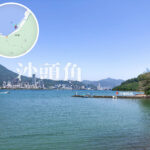
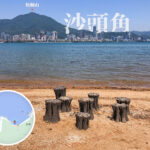
- Sha Tau Kok Sea (Starling Inlet): A frontier bay boasting a vast, sweeping view.
- Ecological Resources
- Flora: Rare species such as Chinese New Year Flower (Enkianthus quinqueflorus) and Hong Kong Camellia (Camellia hongkongensis).
- Fauna: Black Kites often soaring above the summit, and Egrets.
— The true charm of Tiu Tang Lung Path lies in its perfect blend of rugged geography and deep cultural heritage. The starting point, Wu Kau Tang, was once a key base for anti-Japanese guerrillas, while the endpoint, Lai Chi Wo, is one of Hong Kong’s best-preserved Hakka walled villages. Along the way, hikers can enjoy mangroves, silvergrass, and a rich biodiversity. This trail is not only a tough physical test but also a journey into the history and nature of rural Hong Kong, setting a beautiful “where mountains meet the sea and culture intertwines” tone for the adventure. —
🚶♂️ Hiking Route & Timing
Item Details 🚩 Starting Point Wu Kau Tang 🛤️ Main Route Wu Kau Tang → Kau Tam Tso → Tiu Tang Lung → Lai Tau Shek → Wu Kau Tang 📏 Total Distance Approx. 7.5 km ⏱️ Duration Approx. 4–5 hours 💪 Difficulty Intermediate to Advanced. Some sections have an incline of up to 70 degrees, requiring hands-on-rock scrambling. —
🚍 Transport & Refuel Points
- Transport:
- Refuel Points: No supply points along the trail. Local village stores/tea houses are only available at Sam A Tsuen, so make sure to bring enough water and food.
- Exit Points: No clear escape routes midway; hikers must double back the way they came.
Item Details 🚌 Transport Green Minibus 20R: Tai Po Market Station → Wu Kau Tang
KMB Bus 275R (Sundays & PHs): Tai Po Market Station → Wu Kau Tang🥤 Refuel Points No supply points along the trail. Local village stores/tea houses are only available at Sam A Tsuen, so bring enough water and food. 🚪 Exit Points No clear escape routes midway; hikers must double back the way they came. —
📌 Hiking Tips
- It is highly recommended to hike during autumn or winter. The cooler weather makes the climb pleasant, and the silvergrass on the summit will be in full bloom, offering breathtaking views.
- The trail is quite rugged and loose; make sure to wear proper hiking shoes with good grip and bring trekking poles.
- There are no supply spots along the main trail; village tea houses are only found at Sam A Tsuen.
- The summit offers a stunning panoramic view perfect for catching the sunrise, but do watch out for fierce winds.
—
🏘️ Historical & Cultural Background
- Wu Kau Tang
- A historic stronghold for anti-Japanese guerrillas during WWII; the village still houses the “Wu Kau Tang Martyrs Memorial Monument”.
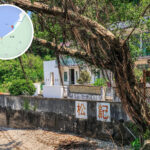
- Hakka cultural heritage: Ancient water wells and century-old trees can be found here.
- Lai Chi Wo
- One of Hong Kong’s oldest and most intact Hakka walled villages.
- Features a highly valued Fung Shui Woodland and revitalized agricultural eco-farms.
- Participates in the “Sustainable Lai Chi Wo Programme” to promote eco-tourism.
—
🌟 Special Significance
- Geographical Challenge: One of the few hiking trails in Hong Kong that genuinely requires hands-on scrambling.
- Cultural Connection: Seamlessly links historic Hakka villages with WWII wartime history.
- Natural Conservation: Beautifully showcases the unique mangroves, freshwater reservoirs, and frontier bays of northeastern Hong Kong.