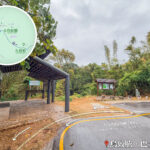
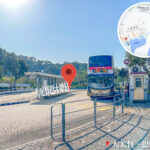
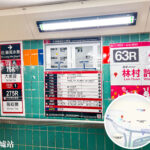
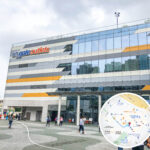
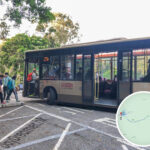
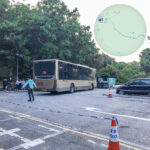
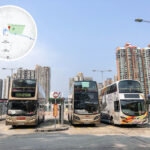
🚌 【Bus Termini】 are the indispensable cornerstones of the city’s public transit framework. Dispersed right across Hong Kong Island, Kowloon, the New Territories, and the Outlying Islands, they serve as the official origins and destinations for countless bus routes, acting as vital transit anchors for residents’ daily commutes. These termini are strategically situated next to large-scale residential estates, major commercial hubs, MTR stations, or ferry piers, making it effortless for passengers to make rapid inter-modal transfers. The presence of these termini not only drives up the efficiency of public transport but also showcases Hong Kong’s smart ability to optimize limited land use within a high-density urban space.
🛠️ Key Infrastructure & Passenger Facilities
Facility Name Description & Structural Features 📌 Quantity & Footprint As of 2018, Hong Kong features a comprehensive network of 298 dedicated bus termini. 🏢 Boarding Platforms Equipped with sturdy canopies to shield passengers from harsh sunlight and heavy downpours, offering a comfortable waiting environment. 📋 Information Panels Display up-to-date timetables, fare structures, and detailed route itineraries for straightforward passenger reference. ❄️ Air-Conditioned Waiting Rooms Lam Tin Public Transport Interchange stands out as a unique terminus in Hong Kong featuring an enclosed, fully air-conditioned passenger waiting room. ♿ Barrier-Free Access Fitted with dedicated wheelchair ramps that pair seamlessly with super-low-floor buses to enhance inclusive, accessible transit. 👷 Staff Amenities Include regulator offices, crew rest rooms, and private washrooms to support the operational needs of front-line staff. ⏱️ Live ETA Displays Provide real-time next-bus arrival updates, allowing commuters to manage their waiting time with precision. —
📍 Strategic Functions & Operational Roles
- Starting & Ending Points: Termini serve as the official launch and termination anchors for routes, providing dedicated loops and bays for buses to turn around, park, or undergo scheduling adjustments.
- Multi-Modal Transport Hubs: Many termini are structurally integrated with MTR rail stations, ferry piers, or the international airport, forming highly efficient cross-transit exchange hubs.
- Community Lifelines: Termini are consistently embedded deep within major public housing estates, commercial zones, schools, or hospital clusters, directly serving the everyday travel rhythms of local neighborhoods.
—
🏗️ Architectural Designs & Layout Classifications
Layout Type Structural Characteristics Iconic Examples Parallel Bay / Pit Style Features multiple parallel long lanes or “pits” separated by narrow passenger islands; this remains the most widespread layout in the city. Ap Lei Chau Estate Bus Terminus Sawtooth / Chevron Style Buses park diagonally along angled, jagged bays, significantly maximizing space efficiency in tight plots. Po Lam Bus Terminus Curbside / On-Street Style Lacks an independent off-street facility; lanes are designated directly along active public streets. Mei Hong Court Bus Terminus Temporary Terminus Set up provisionally to accommodate rolling infrastructure projects, civil works, or urban planning transitions. Old Kai Tak Airport Bus Terminus (Decommissioned) —🚏 Far beyond standard boarding platforms and route panels, selected premium bus termini take convenience further by integrating air-conditioned waiting lounges, extensive barrier-free infrastructure, live arrival informative screens, and seamless, direct connections to towering shopping malls or neighborhood facilities. They are much more than stark transit facilities; they operate as functional extensions of the community itself, perfectly capturing the daily momentum of local residents and the broader pulse of urban development. Through the design of these bus termini, we get a clear window into Hong Kong’s highly unique brand of ultra-dense urban planning and public transit culture.—
🌍 Specialized Operational Categories
- Cross-Boundary Termini
- Austin Road Cross-Boundary Bus Terminus → Serves as a key hub for direct, long-distance coaches traveling frequently between Hong Kong and Guangdong Province.
- High-Capacity Transit Interchanges
- Central (Exchange Square) Bus Terminus → The premier transport gateway serving the absolute heart of the Hong Kong Island central business district.
- Hung Hom Station Public Transport Interchange → A massive transfer hub optimizing rail-to-bus connections.
- Airport Termini
- Ground transportation centers designed to bridge urban commuter routes directly with Hong Kong International Airport.
- Outlying Islands Gateways
- Tung Chung Bus Terminus → The primary staging hub for routes exploring the vast terrain of Lantau Island, located right next to the Ngong Ping Cable Car terminal.
—
🚌 Top 10 Iconic Bus Termini in Hong Kong
No. Terminus Name Architectural & Design Features Cultural & Historical Context 1 🏙️ Central (Exchange Square) Bus Terminus A massive parallel-bay off-street complex optimizing high-volume, cross-district trunk routes. The primary transport anchor of the financial core, standing as a visual symbol of Hong Kong’s global business city. 2 🚉 Hung Hom Station Public Transport Interchange Structurally integrated with MTR Hung Hom Station, featuring elevated passenger waiting concourses. A historic witness to the evolution of the Kowloon-Canton Railway and cross-border intercity rail transport. 3 🌆 Tin Shui Wai Town Centre Public Transport Interchange Utilizes a highly optimized sawtooth design to squeeze maximum capacity out of its footprint. A prime reflection of comprehensive New Town residential planning, built to serve a massive commuter population. 4 🏢 Sha Tin Central Bus Terminus A fully enclosed podium layout featuring multi-layered vertical integration below residential blocks and shopping malls. Perfectly mirrors Hong Kong’s classic three-dimensional transit-oriented development strategy under severe land constraints. 5 ✈️ Airport Ground Transportation Centre A highly modern, streamlined indoor concourse connecting urban express routes with the Airport Express rail link. The premier multi-modal gateway welcoming global travelers to our international aviation hub. 6 🌊 Ap Lei Chau Estate Bus Terminus Classic parallel-bay layout designed to feed high-frequency routes straight into local public housing communities. Serves as a historical witness to the island’s dramatic transformation from a traditional fishing village into a dense residential hub. 7 Ferry Pier Bus Terminus A classic waterfront terminus designed historically to align sea ferry schedules with land routes. A beautiful miniature showing the historical shift and integration of maritime and land-based public transit. 8 🌏 Austin Road Cross-Boundary Bus Terminus An off-street terminal layout customized for long-distance cross-border coach operations. Highlights the close, high-frequency transport links running between Hong Kong and mainland economic zones. 9 🏘️ Po Lam Bus Terminus Features a modern sawtooth layout to streamline bus movements while conserving valuable urban space. A textbook example of transit infrastructure integrated into the heart of second-generation New Town developments. 10 🌉 Tsing Yi Town Centre Bus Terminus A multi-level interchange pod connecting MTR Tsing Yi Station with sprawling shopping complexes and estates. Stands as clear structural proof of Tsing Yi’s historic shift from an industrial island into a thriving, self-contained residential community. —