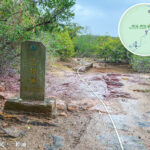
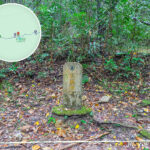
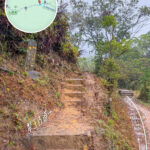
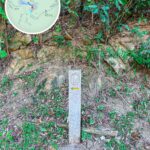
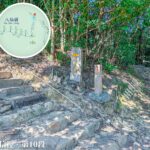
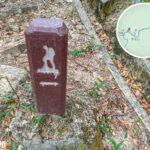
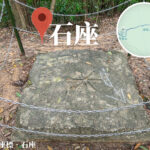
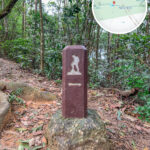
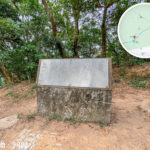
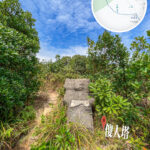
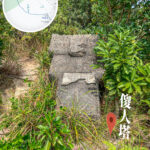
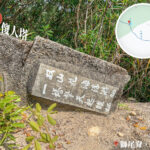
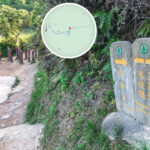
🪨 【Stone Obelisks / Heritage Markers】 Found nestled deep within Hong Kong’s hillsides and running along its country trails, stone obelisks and heritage markers are far more than mere directional signposts—they are the perfect intersection of culture, history, and nature. Mostly positioned at trailheads, major junctions, or historically significant stretches, these markers are predominantly crafted from solid granite or sturdy concrete to withstand centuries of weathering and erosion. Engraved with trail names, walking distances, and exact coordinates, they serve as vital navigation tools for hikers while whispering tales of local history and geography. Every single stone marker acts as a grand “prologue” to the trail ahead, reminding travelers that their journey is not just a physical walk, but an immersive exploration of Hong Kong’s rich wilderness heritage.
📍 Quick Facts
Item Details 🏢 Managing Authorities Primarily managed and maintained by the Agriculture, Fisheries and Conservation Department (AFCD), with select historical markers erected by District Councils or heritage conservation bodies. 📍 Prime Locations 🪨 Materials & Design
- Typically sculpted from raw granite or heavy-duty concrete for maximum weather resistance.
- Features deeply carved, highly legible inscriptions, with many boasting bilingual Chinese and English translations.
- Certain structures serve strictly as geometric land markers (such as the obelisk at Pottinger Peak / Shek Pei Shan)—they feature no text whatsoever but boast a unique shape that makes them iconic geographical landmarks.
📏 Marker vs. Distance Post While standard Hong Kong country trails feature numerical distance posts positioned every 500 meters, stone obelisks are reserved for major trail landmarks, historic milestones, or deep cultural interpretation. —
🌍 Geographical & Layout Highlights
- Blending with the Terrain: Markers are strategically placed at sharp valley bends and trail entry points, utilizing the natural topography as a clear reference frame for hikers.
- Tracking Vital Waterways: Along routes like the Tai Tam Waterworks Heritage Trail, stone pillars document the brilliant 19th-century engineering feats behind the city’s oldest reservoirs and dams.
- Ancient Trail Heritage: Across the Ping Shan Heritage Trail and the Wan Chai Heritage Trail, these stone markers preserve the deep-seated lore of ancestral villages, ancestral halls, and historic architecture.
- Seamless Emergency Grid: On legendary long-distance routes like the MacLehose Trail and Lantau Trail, the strategic layout of stone markers and distance posts forms a highly reliable grid for mountain search and rescue teams.
—
🗺️ Iconic Locations & Marker Characteristics
Location Marker Characteristics Geographical & Historical Significance Sai Kung Coastal trail markers mapping out paths across remote islands and hidden bays. Showcases dynamic coastal landforms and traditional fishing village culture. Tai Tam Waterworks Heritage Trail pillars detailing massive 19th-century masonry reservoir construction. Highlights early colonial infrastructure and freshwater resource management. Ping Shan Heritage Trail markers introducing ancestral halls, ancient pagodas, and walled villages. Preserves traditional New Territories clan history and lineage culture. Wan Chai Urban heritage markers mapping out historic buildings and the coastal reclamation line. Illustrates the rapid pace of urban development intersecting with historic conservation. MacLehose Trail Grand long-distance markers mapping out trail sections, elevations, and total mileage. Hong Kong’s ultimate long-distance hiking trail, traversing the entire backbone of the New Territories. Lantau Trail Stone pillars marking out high-altitude summits and rugged coastal paths. Showcases Lantau Island‘s pristine natural landscapes and deep-rooted Buddhist heritage. Pottinger Peak (Shek Pei Shan) Features a striking, textless obelisk sculpted into a distinct four-sided pyramid. A prominent landmark in the Southern District sitting right near Tai Tam Reservoir, offering sweeping panoramic views. Tai Tam Waterworks Heritage Trail Stone obelisks marking out historic catchwaters and century-old granite dams. Brings to life the layout, engineering marvels, and topography of Hong Kong’s early water supply system. Wong Nai Chung Gap Trail Historical markers mapping out WWII defensive positions, bunkers, and pillboxes. Connects rugged mountain valley terrain directly with critical wartime history. —
✨ Cultural & Educational Value
- Cultural Time Capsules: These stone obelisks are far more than physical signposts—they are historical imprints etched in rock, preserving the layered tales of indigenous villages, colonial engineering, and the raw natural world.
- Wilderness Education: Through detailed bilingual inscriptions, everyday hikers can effortlessly learn about Hong Kong’s unique geology, vital water resources, and local ecosystems while on the move.
- Mountain Safety Anchor: The integrated numbering and coordinate system ensures that hikers can pinpoint their exact location to emergency services in the event of an accident.