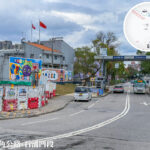
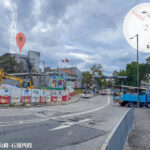
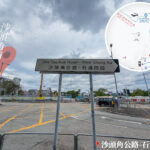
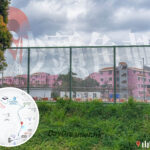
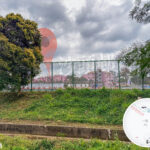
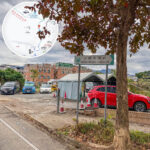
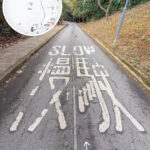
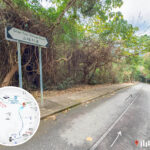
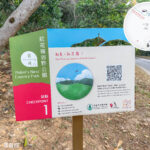
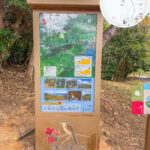
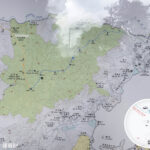
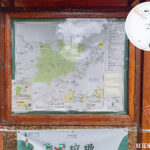
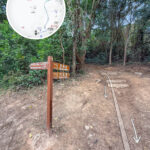
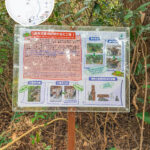
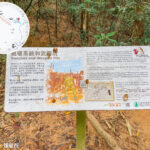
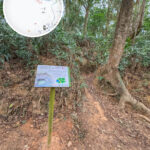
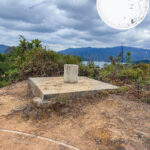
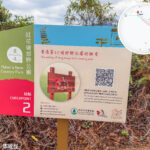
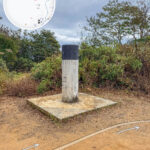
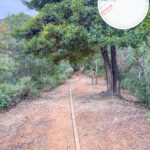
🚶🏻➡️【Robin’s Nest • Country Trail (紅花嶺 • 郊遊徑)】 is located within Hong Kong’s 25th country park, established in 2024. Covering an area of approximately 530 hectares, it is situated along the border of Sha Tau Kok in the northeastern New Territories and connects with Wutong Mountain in Shenzhen. Boasting magnificent mountain ranges, rare ecology, World War II military relics, and ancient villages, it has become one of the most highly anticipated new hiking spots in recent years. The entire trail spans about 10 kilometres and takes around 5 hours to complete. —
📌 Fast Facts
Item Details 📍 Location Northeastern New Territories, Sha Tau Kok, bordering Wutong Mountain (Shenzhen) to the north and adjacent to Pat Sin Leng to the south 📐 Area Approx. 530 hectares 🏞️ Year Established 2024 ⛰️ Highest Peak Robin’s Nest, standing at 492 metres above sea level, making it the highest peak in northeastern Hong Kong 🌳 Landscape Features North slope: Dense secondary forest 🌳; South slope: Highland grassland 🌾 🌿 Ecological Value Butterfly habitats 🦋, Hong Kong Rhododendron, Brown Bush Warbler, and bat colonies 🦇 —
🚶 Country Trail Routes
Robin’s Nest Country Park features two main country trails:
1. Robin’s Nest Country Trail
- Starting Point: Tan Shui Hang or Shan Tsui Village Road in Sha Tau Kok
- Via: A Kung Kok, Yi Tung, and Sam Tung
- Ending Point: Robin’s Nest Viewing Point, which offers sweeping views of Yantian District in Shenzhen and Starling Inlet
2. Lin Ma Hang Trail
- Starting Point: Lin Ma Hang Village
- Via:
- Lin Ma Hang Lead Mine 🦇 – One of Hong Kong’s largest bat habitats; the exterior of Mine Cave No. 6, nicknamed “The Grand Hall”, has been reopened to the public
- MacIntosh Fort (Lin Ma Hang) 🏰 – A Grade II historic building that once served as a border defense outpost
- Ip Ting-sz’s Former Residence – Built in 1908, its design is modeled after Sun Yat-sen’s former residence
- Ending Point: Robin’s Nest Summit, overlooking Wutong Mountain in Shenzhen and Plover Cove Country Park in Hong Kong
—
📊 Hiking Data
Item Value Total Length Approx. 10 km Time Required Approx. 4–5 hours Difficulty AFCD Rating: ★★★★☆ (Challenging) Terrain Primarily natural dirt paths with some concrete sections —
🚍 Transport Information
Item Details 🏁 Starting Points
- Sha Tau Kok Tan Shui Hang → Robin’s Nest Country Trail
- Lin Ma Hang Village → Lin Ma Hang Trail
🚌 Transport Links
- Green Minibus 59K: Sheung Shui Station ↔ Lin Ma Hang
- KMB Bus 78K: Sheung Shui ↔ Sha Tau Kok
- Green Minibus 55K: Sheung Shui Station ↔ Sha Tau Kok
⚠️ Note Starting from 2025, visitors can travel directly to Lin Ma Hang by minibus without the need to apply for a Frontier Closed Area Permit —
📌 Key Landmarks
- 🌸 Hung Fa Chai: A spectacular viewpoint overlooking Starling Inlet (Sha Tau Kok Sea).
- 🏰 MacIntosh Forts: Grade II historic buildings.
- 🦇 Lin Ma Hang Lead Mine Cave: A sanctuary for bat colonies.
- 🏞️ Sha Tau Kok Pak Kung Au: The location of another historic defense fort.
—
🌿 Ecology and Environment
- North Slope: Draped in lush secondary forest and shrubland.
- South Slope: Features grand upland grassland where the common Red-whiskered Bulbul and rare bird species like the Russet Bush Warbler can be found.
- Flora: Home to native plants including the Hong Kong Rhododendron, Bellflower (Enkianthus), Wild Melastoma, and Gordonia.
- Fauna: The Lin Ma Hang Lead Mine provides shelter for roosting bat colonies, making it one of the most critical bat habitats in Hong Kong.
- Seasonal Scenery: Spring features sweeping seas of blooming Hong Kong Rhododendrons; summer brings thriving butterfly activity; autumn and winter offer beautifully crisp, open vistas.
—
🏛️ Culture and History
- Lin Ma Hang Village: A Hakka village with a rich three-hundred-year history.
- Lead Mine Cave: Dating back to the 1860s, it was once Hong Kong’s largest mining system and has now been revitalized into an ecological education site and bat sanctuary.
- MacIntosh Forts: Constructed between 1949 and 1953 for border defense, these structures are currently listed as Grade II historic buildings.
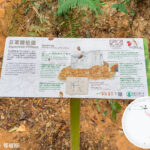
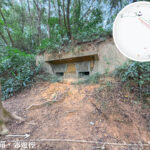
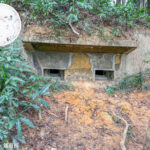
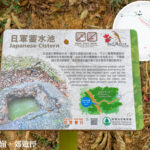
WWII Japanese Pillboxes: Concrete pillboxes featuring defense and ventilation structures are well-preserved at both Shan Tsui and A Kung Kok, including the Shan Tsui Machine Gun Post and Agong Kok Fort. Trenches and Artificial Pools: Remnants of past border defense facilities. —
🌟 Recommended Seasons
- Spring: Ideal for witnessing the spectacular Hong Kong Rhododendron blooms.
- Autumn: Offers cool weather and clear visibility, making it perfect for long-distance hikes.
- Summer: Hot and humid; careful sun protection and ample water replenishment are absolutely essential.