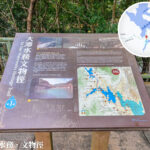
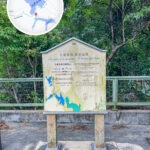
💧 【Tai Tam • Waterworks Heritage Trail (大潭 • 水務文物徑)】 is a cultural hiking route located inside Tai Tam Country Park in the southeastern part of Hong Kong Island. Spanning approximately 5 kilometers, it features 21 declared monuments, connecting four historic reservoirs alongside numerous stone masonry bridges, valve houses, and tunnel inlets. This trail showcases over a century of Hong Kong’s water supply history framed by striking natural landscapes. The reservoirs distributed along the way—including Tai Tam Upper Reservoir, Tai Tam Intermediate Reservoir, and Tai Tam Tuk Reservoir—combine to form a spectacular “reservoir cluster” vista. These waterworks and stone structures serve not only as the early bedrock of Hong Kong’s utility infrastructure but also as living testimony to centennial engineering techniques. Walking along the path, visitors can appreciate the reflective waters nestled within the valleys alongside classical stone masonry architecture, experiencing a unique harmony of nature and human heritage.
📌 Quick Facts
Item Details 📍 Location Southeastern part of Hong Kong Island, inside Tai Tam Country Park 📏 Total Length Approx. 5 kilometers ⏱️ Duration 2.5 – 3.5 hours 🧗♀️ Difficulty Easy to Moderate; mostly paved concrete paths with a few flights of steps 🚩 Starting Point Wong Nai Chung Reservoir Park 🏁 End Point Tai Tam Tuk Reservoir (from here, buses and minibuses head to Shau Kei Wan / Sai Wan Ho) — As Hong Kong’s first heritage trail dedicated to waterworks facilities, this 5-kilometer route charts 21 designated declared monuments, including stone aqueducts, valve houses, and commemorative monuments. Mostly constructed between the late 19th and early 20th centuries, these structures reflect colonial-era engineering aesthetics combined with robust functionality. The trail functions as a living history textbook, allowing visitors to unpack the developmental story of Hong Kong’s early water supply through their steps and camera lenses. 📸
💧 The Four Major Reservoirs
- Tai Tam Upper Reservoir (1888)
- The second reservoir built in Hong Kong. Its dam crest features a distinctive square Valve House constructed from fine granite blocks.
- Tai Tam Byewash Reservoir (1904)
- Connected directly to the Upper Reservoir, featuring a main dam and a secondary byewash dam structure.
- Tai Tam Intermediate Reservoir (1907)
- Nestled in the mid-section of the valley, offering peaceful and tranquil scenery.
- Tai Tam Tuk Reservoir (1918)
- The largest reservoir in Hong Kong at the time of its completion. Its grand, imposing dam wall was hailed as the “First Dam of Asia.”
—
🚍 Transport & Access
Item Details 🚉 Getting to the Trailhead From MTR North Point Station Exit B3 → Board bus 63 or 41A → Alight at the Wong Nai Chung Reservoir Park stop. 🏁 Leaving the Trail’s End Exit onto Tai Tam Road to catch bus 14, 314, or local green minibuses back to the urban areas. —
🏛️ Major Heritage Structures
- Stone Bridges: A collection of 6 classical masonry bridges featuring elegant arched structures and fine craftsmanship.
- Tunnel Inlet (1888): Connected to the Bowen Aqueduct in Wan Chai, transferring raw water directly to the Central and Western districts of Hong Kong Island.
- Commemorative Monument: An ornate stone monument marking the successful completion of the early tunnel works.
- Recorder House (1917): Built with granite masonry walls, originally used to house specialized instruments monitoring water flow.
- Raw Water Pumping Station (1918): Located next to the Tai Tam Tuk Dam, built to pump raw water across the island’s ridges.
—
🌿 Geographical & Environmental Features
Item Details 🏞️ Reservoir Cluster The Tai Tam area is defined by a system of major reservoirs distributed along the valleys, creating a spectacular watery landscape: Wong Nai Chung Reservoir, Tai Tam Upper Reservoir, Tai Tam Byewash Reservoir, Tai Tam Intermediate Reservoir, and Tai Tam Tuk Reservoir. ⛰️ Terrain The route is laid out along valley contours and reservoir edges, peaking at an elevation of roughly 174 meters and descending down toward sea level. The path showcases granite masonry dams, old bridges, and tunnel entrances. 🌿 Natural Scenery Stone bridges and reservoir waters intertwine, offering distinct seasonal charm: lush greens throughout spring and summer, giving way to crisp, mirroring reflections during autumn and winter. 🐦 Ecology Densely forested trails with mirror-like reservoir surfaces. It is a common habitat for wildlife such as egrets, squirrels, diverse forest birds, and dragonflies. —
🏛️ Declared Monuments in Detail
Among the 21 declared monuments located along the trail, key highlights include:
- Stone Aqueduct (Tai Tam Upper Reservoir)
A classical arched stone structure designed to transport raw water down toward Mid-Levels, offering an incredibly picturesque perspective for photography.- Stone Bridge (Tai Tam Upper Reservoir)
A historic masonry bridge connecting paths near the dam, built from sturdy granite blocks to endure over a century.- Valve House (Tai Tam Upper Reservoir)
Erected between 1883 and 1888, this square granite building houses early mechanical gears used to manage downflow water levels.- Tunnel Inlet (Tai Tam Upper Reservoir)
Channels water directly into the supply tunnels running to Bowen Road, serving as a core component of the early distribution grid.- Tai Tam Tuk Reservoir Memorial Stone
A historical monument recording the construction milestones of the expansive project that was once crowned the “First Dam of Asia.”—
⭐ Trail Highlights
Item Details 🌿 Cultural & Ecological Experience Provides a dual experience: learning about Hong Kong’s water supply heritage while enjoying the natural beauty of the valleys and waterways. 📸 Top Photo Spots Reflections under the stone aqueducts, classical masonry bridges, the memorial stone, and the massive dam walls. 👨👩👧👦 Ideal For Families, couples, and history buffs looking for an educational yet relaxing outdoor hike. —
🧭 Suggested Itinerary Sections
- Wong Nai Chung Reservoir → Starting point; outlines the early origins of Hong Kong’s public utility networks.
- Tai Tam Upper Reservoir → Features the historic stone bridges, valve houses, and the main tunnel inlet.
- Tai Tam Byewash Reservoir → A compact, quiet reservoir body offering a peaceful setting.
- Tai Tam Intermediate Reservoir → Deep valley views and an impressive, wide dam crest.
- Tai Tam Tuk Reservoir → The end of the trail; home to the largest masonry dam wall and the historic memorial stone.