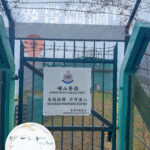
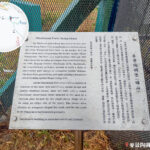
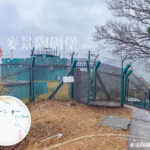
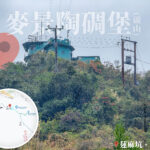
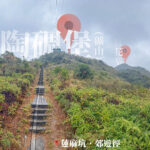
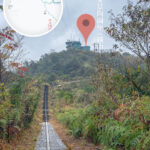
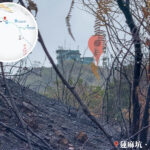
🏰 【MacIntosh Forts】are a group of historically significant border defence structures in Hong Kong. They consist of seven concrete police observation posts built between 1949 and 1953 under the orders of the then Commissioner of Police, Duncan MacIntosh. These forts are strategically dotted across the mountain ridges along the northern border of the New Territories from east to west. Their specific locations include Pak Kung Au (Sha Tau Kok), Kong Shan (Lin Ma Hang), Pak Fu Shan (Heung Yuen Wai), Nga Yiu (Ta Kwu Ling), Nam Hang (Man Kam To), Ma Tso Lung (Lok Ma Chau), and Pak Hak Chau (Mai Po). They were originally constructed to beef up border defence, preventing armed influxes of lawbreakers from crossing the border to raid villages in Hong Kong, while monitoring the situation across the Shenzhen River. In later years, they were primarily used to combat smuggling and illegal immigration. —
📌 Basic Information
Item Description 🏰 Name MacIntosh Forts 🧑✈️ Naming Origin Named after the then Commissioner of Police of Hong Kong 🏗️ Construction Era Built between 1949 and 1953 in response to the massive influx of refugees into Hong Kong following the Chinese Civil War 🛡️ Purpose Served as border observation outposts to prevent illegal immigration, smuggling, and cross-border crimes, strengthening the colonial government’s control over the border 🧱 Architectural Design Two-storey structures featuring a central circular or octagonal observation tower, flanked by living quarters (kitchen, resting room, armoury, etc.) on both sides 🧭 Orientation All face north, pointing directly towards the opposite bank of the Shenzhen River for easy monitoring of activities at the Chinese border 🏞️ Geographical Location Perched on high ground across the mountain ridges of the northern New Territories, offering an excellent vantage point for observation and defence 📍 Locations of the 7 Forts Pak Kung Au, Kong Shan, Pak Fu Shan, Nga Yiu, Nam Hang, Ma Tso Lung, Pak Hak Chau 🗺️ District Bordering North District and Yuen Long District; some are located within the former “Frontier Closed Area” (Border Restricted Area) and remain restricted and closed to the public 🏛️ Heritage Status Classified as Grade 2 Historic Buildings in Hong Kong, carrying high historical and cultural value 🚷 Public Openness Although no longer within the restricted zones, they are not fully open to the public due to security and conservation reasons 🔍 Current Status Most are no longer manned by police officers and have been upgraded to operate under electronic surveillance systems; some have become popular hotspots for hikers to take photos 📸 Cultural Significance Symbolises Hong Kong’s border defence strategy and colonial law enforcement policy during the Cold War era, serving as an important witness to Hong Kong’s modern history — The MacIntosh Forts have borne witness to the historical transformations along the Hong Kong border, evolving from defence installations handling geopolitical tensions and security challenges during British colonial rule into culturally significant historical heritage today. Following the phased reduction of the Frontier Closed Area between 2012 and 2016, these forts are no longer situated within the restricted zones, yet they remain generally closed to the public for security reasons. Nevertheless, their unique architectural style and historical backdrop have attracted many hikers and photography enthusiasts to visit and take photos, making them popular excursion spots. In the future, these forts are expected to strike a balance between conservation and development, with the potential to be integrated into Hong Kong’s historical and cultural tourism. —
🕰️ Historical Background
📌 Turbulent Times & Border Tensions
- 1949: The founding of the People’s Republic of China triggered high tensions along the Shenzhen-Hong Kong border, with the colonial government deeply concerned about the expansion of the communist regime into Hong Kong.
- Refugee Influx: A massive wave of mainland refugees flooded into Hong Kong, some of whom carried weapons, leading to sporadic armed clashes and assaults on on-duty police officers.
- Establishment of the Closed Area: In 1951, the Hong Kong Government designated the northern New Territories as the Frontier Closed Area, requiring non-residents to apply for a Closed Area Permit.
🛡️ MacIntosh’s Defence Strategy
- In 1949, Commissioner Duncan MacIntosh ordered the construction of seven forts to serve as armed police outposts, fully equipped with searchlights, communication devices, and ammunition.
- Built on strategic high grounds, these forts formed a robust defensive line facing north of the Shenzhen River to keep a close watch on cross-border movements.
— The architectural layout of the forts follows a highly uniform military style. Each main building stands two storeys high, with the top level configured as an octagonal or circular control room and observation tower. The left and right wings are single-storey structures housing living amenities such as police quarters, a kitchen, bathrooms, storage space, and a generator room. The outer perimeter is secured by barbed wire entanglements and fortified with bulletproof walls. Due to their distinct silhouettes and prominent hilltop locations, they were affectionately dubbed “MacIntosh Cathedrals” by British police officers of the era. The working conditions at these outposts were notably grueling; stationed officers had to trek up the mountains on foot, and with no mains water supply, they relied heavily on water trucks and small portable generators for electricity. As times changed, border surveillance transitioned to high-tech electronic monitoring. Police officers are no longer stationed permanently at the forts, but their historical value was officially recognized when they were listed as Grade 2 Historic Buildings in 1997. —
🏗️ Architectural Design
Element Detailed Description Main Structure Two storeys high, with a circular or octagonal observation tower on the top floor and living quarters on the ground floor. Auxiliary Facilities Includes quarters, a kitchen, bathrooms, storage rooms, a generator room, and a water tower. Defensive Features The exterior is heavily fortified with barbed wire entanglements, bulletproof walls, and searchlights. Communication System Linked directly with neighbouring outposts and command headquarters to form a coordinated defensive network. —
🏰 Locations of the Seven Forts
Location Corresponding Police Station Key Features Pak Kung Au Sha Tau Kok Police Station High elevation with a commanding panaromic view Kong Shan Ta Kwu Ling Police Station The highest altitude among all seven forts, reaching 220 metres Pak Fu Shan Ta Kwu Ling Police Station Located adjacent to the Heung Yuen Wai Control Point Nga Yiu Ta Kwu Ling Police Station Boasts a spacious site area accessible by vehicles Nam Hang Man Kam To Police Station Accessible on foot via Sandy Ridge (Sha Leng) Ma Tso Lung Lok Ma Chau Police Station Situated near Shun Yee San Tsuen, highly accessible Tan Kan Chau Mai Po Also known as Pak Hak Chau, situated close to Deep Bay (Hau Hoi Wan) —
🏛️ Cultural & Historical Value
🕵️♂️ Witness to Border History
- The MacIntosh Forts stand as iconic symbols of Hong Kong’s border defence during the Cold War era, chronicling the geopolitical shifts and social upheavals between Hong Kong and Shenzhen.
- They served as frontline strongholds in combating illegal immigration and cross-border syndicates, carrying profound historical weight.
🏛️ Architectural Heritage & Revitalisation Potential
- All seven forts are designated Grade 2 Historic Buildings and remain in an excellent state of preservation.
- With the gradual opening up of the Frontier Closed Area, several forts have emerged as high-potential spots for hiking and cultural exploration.
- If revitalised properly, they could turn into invaluable assets for education, heritage tourism, and community integration.
—
🧠 Fun Facts & Trivia
- “MacIntosh Cathedrals”: Because of their distinct architectural profile standing tall on remote hills, British expatriate officers jokingly referred to them as “cathedrals”—giving these non-religious outposts a sense of solemn majesty.
- Fort Camouflage: Most of the forts are painted in military olive green to blend seamlessly into the surrounding wilderness, emphasizing their tactical military style.
- Modern Tech Takeover: Since the 1980s, the Police Force has gradually rolled out advanced electronic surveillance systems, meaning officers are no longer physically deployed to guard the forts day and night.
—