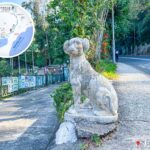
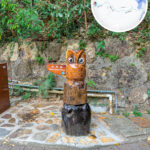
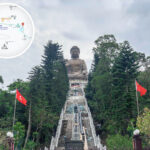
🗿 【Sculptures】 art serves as a unique “urban language” (城市語言), providing spaces for contemplation and reflection amidst Hong Kong’s skyscraper-filled cityscape. From commemorative bronze statues 🏛️ of the colonial era to the Golden Bauhinia 🌸 post-handover, sculptures are not merely ornaments but carriers of historical memory. They have witnessed Hong Kong’s identity transformation, anchoring citizens’ emotions and the collective memory of society. The presence of sculptures ensures the city is no longer just cold, stark architecture, but a cultural arena brimming with stories and symbolisms.
🏙️ Historical Context of Hong Kong Sculptures
- Colonial Era (19th Century–1997)
- Many sculptures commemorated the British Royal Family or colonial officials, such as the Queen Victoria Statue.
- Public sculptures were often juxtaposed with colonial architecture, serving as symbols of power.
- Post-Handover (1997–Present)
- Emphasis is placed on “identity” (身份認同) and “national spirit” (民族精神), epitomised by the Golden Bauhinia Sculpture, which symbolises Hong Kong’s return to the motherland.
- An influx of abstract and interactive artworks has emerged, mirroring multiculturalism.
—Concurrently, Hong Kong’s sculptures exhibit artistic features that seamlessly blend East and West ✨. In public spaces, we can see realistic bronze statues 🦁 side-by-side with abstract modern creations 👁️, and even ceramic sculptures 🏺 that reflect urban emotions through everyday characters. These artworks do not just beautify the environment; they interact with citizens and become an integral part of life. The role of sculpture in Hong Kong is dual—acting as both an artwork and a cultural symbol, allowing people to find a frozen moment of beauty and an opportunity for reflection amidst fast-paced city life.—
🗿 Social Significance of Contemporary Sculptures
- Freedom of Expression: In 1995, the nude bronze sculpture “The New Man” (《新人》) was accused of obscenity but ultimately won the lawsuit, becoming a symbol of Hong Kong’s fight for freedom of expression.
- Public Memory: Sculptures are far more than artworks; they are “materialised narratives” (物質化的敘事) that anchor historical events and societal emotions.
- Societal Emotions: During the SARS outbreak, sculptor Chu Tat-shing cast statues for fallen medical staff, incorporating feedback from families to turn them into a symbol of collective mourning.
- Interactivity: For instance, the “hat bronze sculpture” (帽子銅雕) in front of Tsim Sha Tsui Centre/Empire Centre allows citizens to sit and rest on the artwork.
- Historical Memory: Shrapnel scars and bullet holes from the Japanese occupation era still remain on the HSBC Lions.
—
🗿 Representative Sculptures & Locations
Period Representative Sculpture Location Features & Significance Colonial Era 🏛️ 👑 Queen Victoria Statue Victoria Park Symbol of the British Royal Family; a power icon of colonial rule 🦁 HSBC Lions HSBC Main Building, Central A financial icon; the lion bodies bear World War II shrapnel scars Post-war to Industrialisation 🏭 🌳 Park Sculptures & Architectural Ornaments Public spaces across various districts Sculptures began integrating into citizens’ lives, balancing functionality with aesthetic enhancement Openness & Pluralism 🌐 🗽 “The New Man” Nude Bronze Statue Central Sparked debates on “artistic freedom”, becoming a symbol of freedom of expression Post-Handover 🇨🇳 🌸 Golden Bauhinia Sculpture HKCEC, Wan Chai Commemorating Hong Kong’s handover, becoming a prominent tourism landmark 🩺 SARS Medical Martyrs Commemorative Sculptures Major hospitals A symbol of collective mourning and societal emotions Contemporary Exploration (2010s–Present) ✨ 🥋 Bruce Lee Statue Hong Kong Heritage Museum Representative of Kung Fu culture, featuring a dynamic pose design 👤 Dr. Sun Yat-sen Statue Sun Yat Sen Memorial Park Symbol of revolutionary spirit 👁️ “Eye of Infinity” (《無限之眼》) Peak Tram Station An abstract artwork, symbolising memory, seeds, and history 🏺 Contemporary Ceramic Sculptures Art Museum, CUHK Blending traditional clay sculpting with urban emotions, showcasing diverse creativity —
🏺 Contemporary Sculpture & Ceramic Art
- Chu Tat-shing: Representative masterpieces include the Bruce Lee Statue, Dr. Sun Yat-sen Statue, and “Home” (《家》), emphasizing the interaction between sculptures and public spaces.
- Li Lin-lee: Created the “Eye of Infinity” (《無限之眼》), exploring memory and history through abstract forms.
- Ceramic Sculptures: Hong Kong artists frequently employ clay modeling to depict everyday figures, which not only preserves traditional techniques but also infuses urban sensibilities.