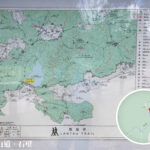
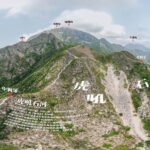
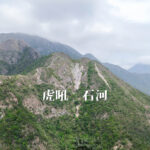
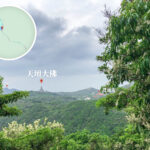
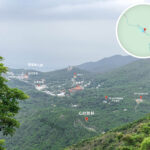
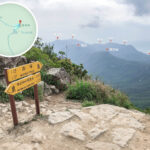
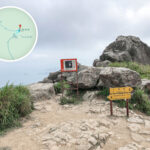
⛰️ 【Lantau Island】 is Hong Kong’s largest island, covering an area of about 148 square kilometers, boasting spectacular mountain ridges and an expansive coastline. Lantau Peak (934m) and Sunset Peak form the mountainous backbone of the island, often shrouded in mist and drawing countless hikers. The South Lantau Country Park and its numerous streams nurture a rich ecosystem where forests, grasslands, and wetlands intertwine, serving as a vital habitat for the Chinese White Dolphin. It is truly a paradise for nature lovers and a cornerstone of Hong Kong’s conservation efforts.
📌 Fast Facts
Category Details 📍 Location Southwestern Hong Kong, on the eastern side of the Pearl River Estuary, facing the South China Sea 📐 Area 148.36 km², accounting for about 16% of Hong Kong’s total land area—roughly double the size of Hong Kong Island ⛰️ Highest Peak Lantau Peak (934m), the second-highest peak in Hong Kong 🗺️ Administrative District Mostly falls under the Islands District, while northeastern parts like Penny’s Bay and Sunny Bay belong to the Tsuen Wan District 🏛️ Key Landmarks Tian Tan Buddha, Po Lin Monastery, Tai O, 🎢 Hong Kong Disneyland 🏯 Historic Sites Tung Chung Fort, Tai O Historic Temple Cluster 🚉 Transport Hubs ✈️ Hong Kong International Airport, 🌉 Tsing Ma Bridge, 🌉 Hong Kong–Zhuhai–Macau Bridge 🌿 Eco Highlights 🏞️ Country Parks, 🐬 Chinese White Dolphin Habitat — The seamless fusion of culture and history makes Lantau Island not just a natural treasure trove, but also a rich cultural stage. Indigenous settlements here date back to the Neolithic era, and during the Song Dynasty, it was known as “Tai Kai Shan,” where locals lived off fishing and salt harvesting. Today, the stilt houses and salt industry remnants of Tai O Fishing Village still preserve these traces of ancient life. On the other hand, Buddhist sanctuaries like the Tian Tan Buddha and Po Lin Monastery symbolize a continuous legacy of spiritual faith. With the completion of Hong Kong International Airport and the Hong Kong–Zhuhai–Macau Bridge, Lantau has further evolved into a premier transit and tourism core, bridging past and present while harmonizing nature with modernity. —
📜 Historical Background
- Neolithic Settlements: Archaeological findings show that early inhabitants settled here over 5,000 years ago.
- Buddhist Influence: Monks have resided here since the Tang Dynasty, and Po Lin Monastery traces its foundations back to the Ming Dynasty.
- Known as “Tai Kai Shan” in the Song Dynasty: Residents lived off fishing and salt harvesting; a massive riot once broke out over the illegal private salt trade.
- Ming and Qing Dynasties: Traditional villages such as Mui Wo, Tai O, and Tung Chung were fully established during this period.
- Modern Development: A remote cluster of fishing villages during the colonial era, it transformed into a global transit and tourism hub after the airport opened in 1998.
—
🌿 Natural Environment & Ecology
- Mountain Ranges: The silvergrass landscapes of Lantau Peak and Sunset Peak are premier hotspots for hiking.
- Country Parks: Features South Lantau Country Park and the sweeping silvergrass fields of Sunset Peak.
- Wetlands & Coastlines: Pui O boasts rich mangroves and freshwater wetlands, while Shek Pik Reservoir serves as a vital water supply.
- Biodiversity: Home to rare bird species, freshwater fish, and vibrant mangrove ecosystems.
- Ecological Diversity: Forests, mountain streams, and coastlines nurture diverse flora and fauna; the waters surrounding Lantau are a critical sanctuary for the Chinese White Dolphin.
—
🏛️ Key Landmarks & Attractions
- Tian Tan Buddha: Located in Ngong Ping, it is one of the world’s largest outdoor bronze seated Buddhas.
- Po Lin Monastery: A major Buddhist center where monks have resided since the Tang Dynasty; its predecessor was built in the Ming Dynasty, situated right next to the Big Buddha.
- Hong Kong Disneyland: Located in Penny’s Bay, it is a world-class tourism hotspot.
- Tai O Fishing Village: Famous for its iconic stilt houses, salted fish, and well-preserved fishing heritage.
- Ngong Ping 360 Cable Car: Connects Tung Chung and Ngong Ping, offering sweeping panoramic views of the mountains and sea.
- Tung Chung Fort Historic Site: A 19th-century coastal defense monument.
—
🚉 Infrastructure & Transport
- Hong Kong International Airport: Located in Chek Lap Kok, opened in 1998.
- Tsing Ma Bridge & Kap Shui Mun Bridge: Iconic structures connecting the urban areas to Lantau.
- Hong Kong–Zhuhai–Macau Bridge: A major cross-border gateway located on the northwestern side of the island.
- MTR Tung Chung Line & Airport Express: The backbone of the island’s rail transit network.
—
📊 Overview Guide
Category Location Highlights 🏔️ Mountain Peak Lantau Peak Hong Kong’s second-highest peak and a legendary sunrise spot 🌾 Grassland Sunset Peak Stunning silvergrass fields, a prime autumn photography hotspot 🏛️ Religious Landmark Tian Tan Buddha The world’s largest outdoor bronze seated Buddha 🏯 Monastery Po Lin Monastery A historic and deeply revered Buddhist center 🎢 Theme Park Hong Kong Disneyland A world-class international tourism hotspot 🐟 Fishing Village Tai O Iconic stilt houses, salted fish, and living fishing village culture 🚉 Infrastructure Hong Kong International Airport (HKIA) A world-class global aviation hub