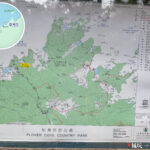
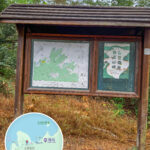
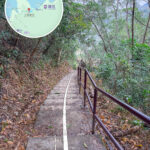
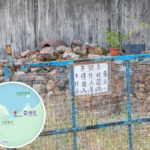
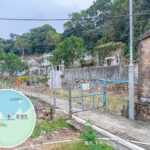
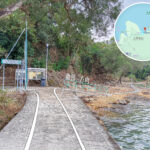
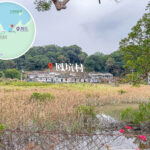
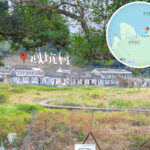
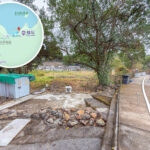
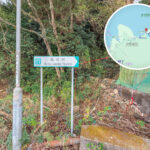
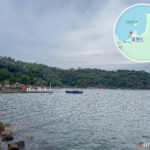
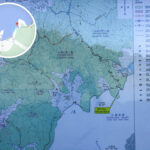
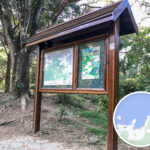
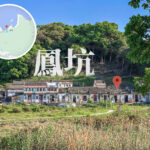
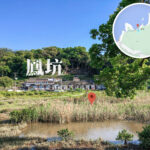
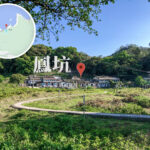
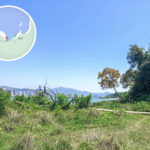
🏡 【Fung Hang (鳳坑)】 is a traditional Hakka village steeped in over 300 years of history, located near Luk Keng in the northeastern New Territories of Hong Kong. Nestled along the shores of the Sha Tau Kok Sea, the village is inhabited primarily by the Cheung clan, whose ancestors originally migrated here from Kuk Po San Wai. The settlement is beautifully framed by lush wetlands, dense mangrove forests, and sweeping reed beds. Every autumn and winter, the golden fields of swaying reeds against the tranquil backdrop of the old fishing village create a picture-perfect landscape that draws numerous photography enthusiasts. While traditional Hakka row houses and old flagstone pathways still line the village, a massive migration wave in the 1960s saw many residents relocate to the United Kingdom or North Borneo (present-day Sabah, Malaysia). Today, only a handful of permanent residents remain, including the elderly Cheung couple who run the popular Fung Hang Snack Shop, keeping local culinary traditions alive with handmade Hakka tea cakes (Cha Kwo) and sticky rice mochi. —
📌 Quick Facts
Item Details Establishment Year Circa 1665, founded by the Cheung clan after migrating from Kuk Po San Wai Village Lineage A single-surname village, where all indigenous residents bear the surname Cheung Traditional Livelihoods Rice farming, crop cultivation, poultry and pig rearing, and tangerine growing Migration Wave Beginning in the 1960s, a large number of villagers relocated to the UK and North Borneo Current Status Only about 6 to 7 households reside permanently, though some villagers return on weekends to farm or run small food kiosks — Fung Hang is not only a beautiful intersection of nature and heritage, but also a living testament to the changing tides of Hong Kong’s rural landscape. Although “No Entry for Non-Villagers” signs stand at the entrance to protect the community’s privacy, hikers are warmly welcome to admire the stunning reed fields and intertidal mangrove ecosystems from the public paths, where mudskippers and elegant egrets can frequently be spotted. In recent years, overseas descendants have regularly journeyed back to the village for major ancestral hall renovations and traditional festivals like the Chung Yeung Festival, ensuring this “hidden gem” retains its vibrant cultural pulse. Getting there is a breeze: take Green Minibus 56K from Fanling Station to the Luk Keng terminus, followed by a gentle, highly beginner-friendly 30-minute stroll. —
🚍 Getting There
Point of Origin Transport Option Walking Route Fanling MTR Station Take Green Minibus 56K straight to Luk Keng Follow the coastal path via Kai Kuk Shue Ha for about 40 minutes to reach Fung Hang —
🧑🌾 Village Life & Heritage
🍵 Hakka Culture
Fung Hang serves as a vital cultural bastion for the Hakka heritage in northern Hong Kong, with residents tightly preserving traditional customs, social rituals, and distinct culinary practices.
🏯 The Cheung Ancestral Hall
- Stands as the spiritual heart of the village for ancestral worship, community gatherings, and lineage celebrations.
- Underwent a massive, meticulously detailed restoration between 2013 and 2014, prompting a large homecoming of overseas clan members.
🛖 Daily Livelihood
- Historically, the villagers relied heavily on subsistence farming, rice paddies, and livestock farming.
- While permanent residents are few today, weekends see a lively return of indigenous villagers who come back to cultivate organic vegetables and sun-dry fresh oysters.
🍡 Fung Hang Snack Kiosk
- Famous for its traditional Hakka tea cakes (Cha Kwo), glutinous rice mochi, and sweet green bean soup.
- The owners painstakingly source fresh ingredients from Fanling to Sha Tau Kok, before transporting them directly to Fung Hang by speedboat.
- Preparation begins as early as 2:00 AM to ensure every batch is handcrafted to perfection.
🫕 Ying Kai Teahouse
- Proudly operated by indigenous villager Mr. Cheung Koon-wah.
- Specializes in authentic, comforting Hakka dishes such as ginger chicken simmered in yellow rice wine, stuffed Hakka tofu, and slow-braised pork belly.
—
🚶♂️ Hiking & Exploration
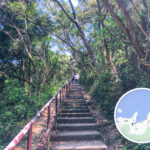
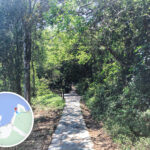
Fung Hang Family Trail
- Total Distance: Approx. 2.25 km
- Duration: Approx. 45 minutes
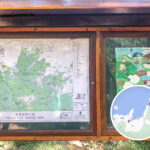
- Highlights: Features two scenic viewing decks that serve up panoramic views looking across Sha Tau Kok, Kuk Po, and the Shenzhen skyline.
Route Summary
Starting Point Transport Option Walking Route Fanling Station Take Green Minibus 56K to Luk Keng Walk along the coastal path past Kai Kuk Shue Ha for roughly 40 minutes to Fung Hang —
🛡️ Community Preservation
- Once quietly labeled a “ghost village,” Fung Hang has successfully revived its local spirit and visibility.
- Villagers actively advocate for official land recognition from the government to secure the long-term continuity of their heritage.
- Returning clan members spend their weekends tending to family plots, sun-drying oysters, and meticulously maintaining ancestral homes.
—
🏡 Village Life & Culinary Traditions
🍵 Hakka Culinary Delights
- Fung Hang Kiosk: A go-to spot for freshly steamed herbal tea cakes, hand-rolled mochi, and refreshing sweet soups.
- Ying Kai Teahouse: Celebrates traditional country flavors with hearty yellow wine chicken, Hakka braised pork, and stuffed bean curd.
🏯 The Ancestral Hall
- The beautifully renovated hall re-opened in 2014, marked by a massive gathering of the global Cheung diaspora.
- The village comes alive with vibrant festive energy and shared banquets during the Chung Yeung Festival and Lunar New Year.
🌿 Natural Landscapes & Coastal Features
- The Circular Stone Jetty: A unique, picturesque stone platform that extends straight into the calm waters, offering a striking coastal viewpoint.
- Shimmering Reed Beds: Come November, a breathtaking sea of golden-brown reeds blankets the village entrance.
- Fung Hang Pier: Serves as the primary maritime gateway for local eco-tours and vital village supply deliveries.
🚧 Boundaries & Eco-Tourism Etiquette
- Parts of the residential core in Fung Hang are private property, marked clearly by protective fencing and notices.
- Visitors are strongly encouraged to respect the local community’s privacy and strictly stick to designated hiking trails.
- The Countryside Conservation Office actively collaborates with local groups to fund sustainable eco-preservation projects in the area.
—
📜 Historical Timeline
Year / Period Key Milestone 1665 The Cheung clan migrates from Kuk Po San Wai to settle and establish the village of Fung Hang. 1960s–1970s A large-scale migration occurs as villagers move to urban centers and overseas to seek new livelihoods. 2013–2014 The Cheung Ancestral Hall is extensively restored, drawing overseas families back to their roots.
- Fung Hang is an exclusive single-clan settlement, entirely populated by descendants of the Cheung family.
- At its historical peak, the village bustled with over 60 active households, a stark contrast to the 6 or 7 permanent homes today.
—