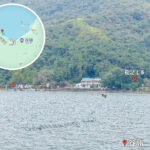
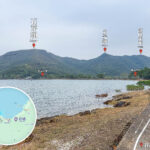
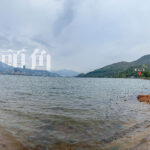
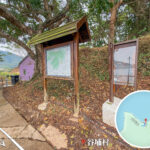
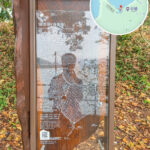
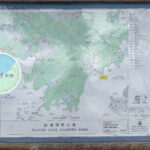
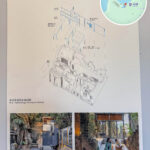
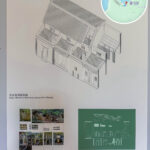
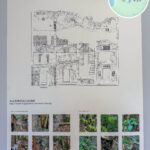
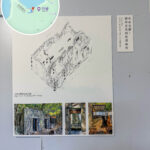
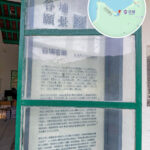
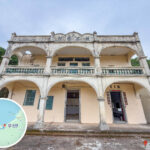
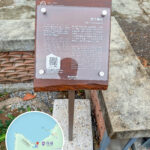
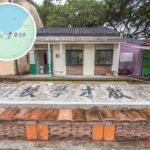
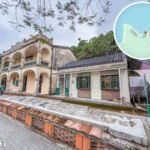
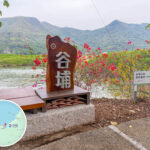
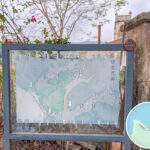
🏡【Kuk Po (谷埔)】 is a historic Hakka village located near Sha Tau Kok in the northern part of the New Territories, Hong Kong. Established during the late Ming and early Qing dynasties with over 300 years of history, the village has been home to Hakka clans primarily sharing the surnames Yeung, Sung, Lee, Ho, and Cheng. Nestled between hills and the sea, the village is traditionally divided into five zones from “Yat Do” to “Ng Do” (First to Fifth Belly). Once thriving on farming and fishing, its population peaked at over 500 residents in the late Qing dynasty, and it boasted its own school—Kai Choi School (built in 1932, now a Grade 3 Historic Building). However, with rapid industrialization in the 1960s and villagers moving away, Kuk Po was gradually abandoned, and its farmlands evolved into lush mangrove wetlands. Today, it has transformed into a popular eco-tourism hotspot, drawing visitors with its golden reed fields, vintage Hakka houses, and serene bay views. —
📍 Geography & Village Layout
- Location: Kuk Po sits on the western shore of the Sha Tau Kok inner sea.
- Village Composition: Comprises various hamlets including Lo Wai (Old Village), San Wai (New Village), Tin Sum, Yee Do, Sam Do, Sei Do, and Ng Do.
- Getting There: There is currently no direct public transport. Visitors can take a scenic walk of about an hour from Luk Keng.
—
🧑🌾 Village Life & Present Day
- Outward Migration: Driven by urbanization and industrialization, most villagers gradually moved to urban areas or emigrated overseas.
- Current Status: Although most village houses are abandoned, some villagers regularly return to visit relatives or run local tuck shops/stores.
- Warm Hospitality: Visitors often cross paths with friendly villagers who love to share local stories and traditional snacks.
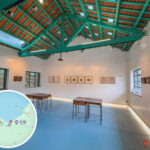
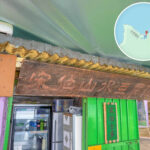
— Kuk Po is not only blessed with unique natural landscapes but also deeply steeped in rich Hakka culture. In recent years, backed by rural conservation initiatives, iconic historic buildings like the Lee Ancestral Mansion and Kai Choi School have been restored and revitalized into cultural exhibition spaces. Visitors can enjoy an easy 1-hour hike from Luk Keng to Kuk Po, passing through Fung Hang Village along the way to admire the vibrant ecosystem of mangroves, mudskippers, and migratory birds. On top of that, Chung Kee Store in Kuk Po offers hikers authentic Hakka village dishes, while the golden reed fields during autumn and winter are an absolute paradise for photography enthusiasts. Despite its remote access, Kuk Po remains one of Hong Kong’s rare hidden gems with its untouched rustic charm and profound heritage. —
🌾 Biodiversity & Environmental Features
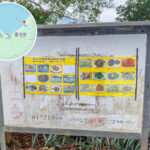
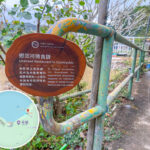
- Wetland Ecology: Featuring diverse habitats including mangrove forests, brackish wetlands, and abandoned terraced fields.
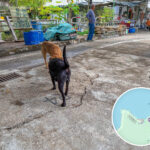
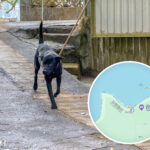
- Common Wildlife: Water buffaloes, grey mullets, stray village dogs, and a wide variety of bird species.
- Flora & Landscapes: Signature golden reed fields and extensive mangrove blocks dominated by Kandelia obovata.
—
🚶♂️ Hiking & Exploration Routes
- Popular Trail: Luk Keng → Fung Hang → Kuk Po. The entire route takes about 1.5 hours, offering stunning views of coastline bays, terraced fields, and old village ruins.
- Scenic Vantage Points: The coastal seawall, sunset views over the fields, and a clear view across the waters looking out to Yantian Port.
—
🛕 Architectural & Cultural Heritage
- Kai Choi School: Founded in 1931 and designed with structural nods to the Whampoa Military Academy, reflecting the village’s dedication to education and civic spirit.
- Hip Tin Temple: Dedicated to Lord Kwan, serving as the spiritual heart of the village; it is designated as a Grade 3 Historic Building.
- Ancestral Halls: The Yeung and Lee Ancestral Halls, standing as timeless testimonies to family lineages and Hakka roots.
- Watchtowers & Centennial Houses: Built with both defensive and residential features, showcasing the historic layout and security needs of the old village.
—
🏘️ Historical Timeline
Period Key Events & Transformations Early Qing Dynasty (17th Century) Hakka settlers migrated from Jiangxi, Fujian, and Guangdong to establish the village. Late 19th Century The village peaked with a thriving population of over 500 residents. 1960s The village’s transport status declined, and severe typhoons caused massive crop failures. 1980s–1990s Urbanization accelerated, prompting massive outward migration to urban centers and overseas. 1998 The local Kai To ferry service ceased operations, leaving the village virtually abandoned. Post-2000s A handful of villagers returned, sparking various conservation, revitalization, and eco-tourism initiatives. —
📚 Community Projects & Cultural Preservation
- Kuk Po Vision Project: Led by the Centre for Chinese Architecture and Urban Design at The University of Hong Kong (HKU), dedicating efforts to document village history and rural life.
- 《Kuk Po Journal》: Published by the School of Design at The Hong Kong Polytechnic University (PolyU), collecting oral histories and authentic life stories from local villagers.
- Country Conservation Office Research Report: An in-depth anthropological research report analyzing the demographics, migration history, and lifestyle patterns of Kuk Po.
—