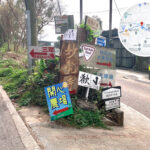
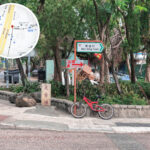
🏡【Fung Kat Heung (逢吉鄉)】 is a historic Hakka village located in the northwestern part of Kam Tin within the Yuen Long District of the New Territories, Hong Kong. It is situated north of the Kam Tin River and south of Sha Po Tsuen. The history of this village dates back to 1925, when Shen Hongying (also known as Shen Guannan), a warlord of the Guangxi clique, fled to Hong Kong after losing a power struggle against rival warlords Li Zongren and Huang Shaohong. Shen purchased land here and built his family estate, “Chun Nam Tong” (General House), in the early 1930s. He named the surrounding area “Fung Kat Heung,” drawing from the Chinese idiom *Fung Hung Hak Kat* (turning peril into safety), which symbolized his desire to escape the chaos of war and enjoy his remaining years in peace. —
📌 Quick Facts
Item Details 🗺️ Location Northwestern Kam Tin, Yuen Long District, New Territories, Hong Kong 🧭 Geographical Position North of Kam Tin River, south of Sha Po Tsuen, and east of Mo Fan Heung 🏡 Village Type A Hakka village; registered as a non-indigenous village under the Kam Tin Rural Committee 🏞️ Topography Nestled next to the sub-peak of Kai Kung Leng, making it a hotspot for hikers 🚶 Trailhead The southern slope hiking entrance of Kai Kung Leng is located right near Fung Kat Heung 🚌 Public Transport New Territories Green Minibus Route 603 terminates at the Fung Kat Heung Second Vegetable Station 🧱 Architectural Style Traditional Hakka layout blended with Western architectural elements, seen in the concave “Ao-shaped” General House and Hip Wai House 🏛️ Heritage Buildings General House (Chun Nam Tong), Martyrs’ Shrine, Miu Kok Yuen, Shen Ancestral Hall, and more 📜 Historical Legacy Founded in the 1920s by Guangxi warlord Shen Hongying, named to signify “turning peril into safety” 🎎 Community Orgs Four-Village Mutual Aid Association (co-formed with Mo Fan Heung, Wing Kei Tsuen, and Wah Shing Tsuen) and the Fung Kat Heung Fa Pau Association 🌸 Highlights & Landscape Water hyacinth flower seas, a traditional village tea house, organic farms, and pet hotels 🐾 Village Facilities Stray animal shelters, agricultural facilities, and local religious structures — Fung Kat Heung boasts a rich array of historic buildings and cultural heritage. The most famous among them is the “General House” (Chun Nam Tong), a two-story mansion that seamlessly blends Western features with traditional Hakka design, which was listed as a Grade 2 Historic Building in Hong Kong in 2009. The compound also includes the Shen Ancestral Hall, Hip Wai House (designed in a distinct Western style), and Miu Kok Yuen—a Grade 3 Historic Building dedicated to local martyrs who fought against British forces. Furthermore, the village preserves a Martyrs’ Shrine, the Fung Kat Tea House (still run by Shen’s descendants), and the Fung Kat Heung Fa Pau Association, all showcasing deep-rooted clan traditions and Hakka culture. —
🧭 History & Naming Origins
- The Founder: Shen Hongying
- Originally a prominent warlord of the Guangxi clique, he fled to Hong Kong after his defeat in 1925.
- He purchased land from the Tang clan of Kam Tin in 1926 and completed his family estate, “Chun Nam Tong,” in the early 1930s.
- He named the area “Fung Kat Heung” to mean “turning peril into safety,” symbolizing a peaceful sanctuary away from past conflicts.
- Political Background
- Shen once served as the military governor of Guangxi but was later targeted by the Nanjing Nationalist Government following his defeat.
- He escaped by boat from Sanshui, Guangdong, to Hong Kong with a few close confidants, changing his name to “Shen Guannan” to live a quiet life in Kam Tin.
— Surrounded by rolling hills, Fung Kat Heung sits beautifully between the foothills and valleys of Kai Kung Leng, serving as a popular starting point for tackling the mountain. For transport, visitors can take New Territories Green Minibus Route 603 from MTR Yuen Long Station and get off at the Fung Kat Heung Second Vegetable Station. This village blends history, heritage, and nature, making it a unique destination to experience Hong Kong’s Hakka traditions and rustic charm. Please note that some historic buildings are private properties; visitors should remain respectful and avoid disrupting the daily lives of residents. —
🚍 Transport Information
- Main Access Road: Fung Kat Heung Road
- Minibus Route: New Territories Green Minibus Route 603 (terminates at Fung Kat Heung Second Vegetable Station).
- Nearby Landmarks: Mo Fan Heung, Sha Po Tsuen, and the sub-peak of Kai Kung Leng
—
🧗 Hiking & Nature Trails
- Kai Kung Leng: Fung Kat Heung is a very popular starting point for this ridge hike.
- The trail passes through unique rock formations like the Earthworm Rock, Kwai Kok Shek Leng, and Lung Tam Shan.
- Panoramic Views: The ridge offers wide-open vistas overlooking Kam Tin, San Tin, and Kwu Tung.
—
🏞️ Tourist Spots & Attractions
- 🐾 The village features organic farms, pet hotels, and animal shelters for strays.
- 📸 It is a popular spot for photography buffs, especially when the water hyacinth flower seas are in full bloom.
—
🏛️ Architectural Compound & Cultural Landmarks
🏠 Chun Nam Tong (General House)
- The main building is a two-story Hakka mansion with an “Ao-shaped” layout integrated with Western designs.
- The second floor features a raised bridge connecting the left and right wings.
- The main door couplet reads: *”Orioles move to the willows; Cranes find their peach blossom spring,”* reflecting the owner’s bittersweet reflections on his life in exile.
- It was designated as a Grade 2 Historic Building in Hong Kong in 2009.
🏠 Hip Wai House
- Named after the title “General Hip Wai” (Generous and Mighty General), which was bestowed upon Shen Hongying by Li Yuanhong.
- A two-story Western-style building that served as Shen’s private residence.
🏯 Shen Ancestral Hall
- The entrance couplet reads: *”Inheriting prosperity from Western Zhou; Spreading fragrance across Southern Guangdong,”* honoring the ancestral roots of the Shen clan.
An annual “lighting lanterns” (Dim Dang) ceremony is held here to pay respects to the ancestors. 🏛️ Martyrs’ Shrine (Chung Lit Chi)
- Built in the 1930s to honor Shen Hongying’s fallen comrades and local anti-British martyrs.
- The couplet reads: *”Their loyal souls endure as long as the rivers and mountains; Their glorious names shine bright alongside the sun and moon.”*
- Inside, a statue of Lord Kwan and ancestral tablets are enshrined, symbolizing loyalty and righteousness.
🪷 Miu Kok Yuen
- A Buddhist nunnery founded in 1936 by Master Miu Tung.
- It serves as the final resting place for Kam Tin’s anti-British martyrs who perished in the 1899 Six-Day War in the New Territories.
- It was designated as a Grade 3 Historic Building in Hong Kong in 2009.
🪦 General House Cemetery
- Established in 1933 at the foothills of Kai Kung Leng by the Shen Guannan Tong.
- Believed to be one of the earliest public/charitable graves in the Yuen Long District, honoring those who died defending the land against British forces.
🧑🤝🧑 Community & Cultural Activities
🌸 Four-Village Mutual Aid Association
- Founded in 1973, it brings together Fung Kat Heung, Mo Fan Heung, Wing Kei Tsuen, and Wah Shing Tsuen.
- Formed to foster villager cooperation and drive rural community development.
🎉 Fung Kat Heung Fa Pau Association
- The association actively participates in the annual Tin Hau Festival parade.
- The main entrance couplet reads: *”May the sun and moon shine upon us through auspicious times; May blessings bring peace to the world for ten thousand years.”*
- It houses an internal Tin Hau Temple dedicated to the Goddess of the Sea.
—
🏘️ Village Life & Market Ruins
- Inside the village, you will find:
- Organic allotments, pet boarding facilities, and rescue animal shelters.
- A mix of village houses and old squatter structures that still preserve traditional Hakka architectural traits.
- Fung Kat Tea House: Run by the descendants of the Shen clan, it sits in one of the terraced shophouses of the village’s former marketplace.
- The area outside the tea house used to be a bustling market, allowing villagers to trade and stay self-sufficient without having to travel all the way to Yuen Long San Hui.
—