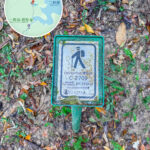
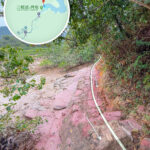
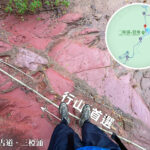
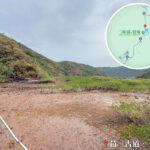
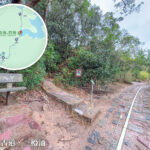
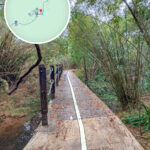
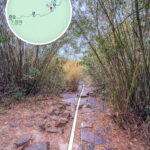
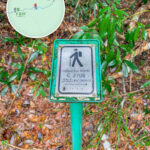
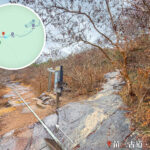
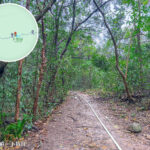
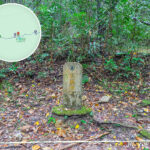
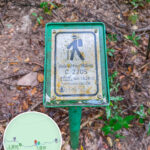
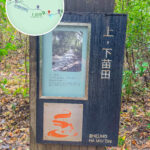
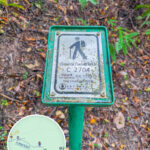
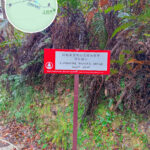
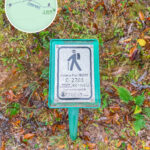
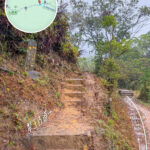
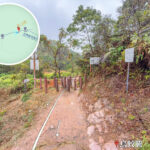
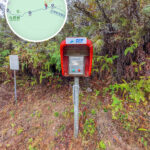
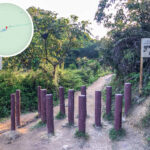
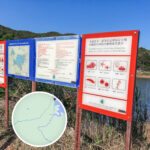
🌱【Miu Sam Ancient Trail (苗三古道)】 connects Wu Kau Tang and Sam A Village. Spanning around 5km and taking about 2 to 3 hours to complete, this centuries-old paved pathway dates back to the Qing Dynasty. It used to be a vital transport route for Hakka villagers to carry their farm produce and catches to markets. Along the trail, you can still see old stone paths, abandoned farmhouses, and ruined terraced fields that offer a glimpse into early village life. The name “Miu Sam” is derived from Sheung/Ha Miu Tin (“Miu”) and Sam A Village (“Sam”). The hike is packed with natural scenery, from freshwater streams and mangroves to unique red rock formations. Notably, the rocks at Hung Shek Mun get their vibrant red hue from iron oxide, formed during volcanic activities around 180 million years ago, making it a highly valuable geological site. —
📌 Quick Facts
Item Details 🏞️ Name Miu Sam Ancient Trail 📍 Location Northeastern New Territories, HK; connecting Wu Kau Tang and Sam A Village 🕰️ History Built during the Qing Dynasty with centuries of history; served as a major transport route between Hakka villages 🧭 Length & Duration Approx. 5km; takes around 2–3 hours 🚶♂️ Difficulty Moderate; suitable for hikers with basic experience 🌄 Key Highlights Kau Tam Tso, Sheung Miu Tin & Ha Miu Tin, Hung Shek Mun, Sam A Village 🧱 Geological Features Million-year-old red rocks rich in iron, formed by volcanic activity around 180 million years ago 🌳 Nature & Eco Secondary forests, streams, and mangroves; home to birds like White-bellied Sea Eagles and Red-whiskered Bulbuls, and insects like Purple Crow Butterflies 🏡 Hakka Culture Traditional Hakka villages and walled houses along the way, complete with local Hakka eats 🚉 How to Get There MTR Tai Po Market Station → Green Minibus 20R or Bus 275R (Sundays & Public Holidays only) → Wu Kau Tang; from Sam A Village, you can hike back or take a ferry via Lai Chi Wo ⚠️ Reminders Slippery when wet, and some sections require wading through water. Wear proper gear and bring enough water and food. —
🕰️ Origin of the Name
- Built in the Qing Dynasty, the Miu Sam Ancient Trail was originally used by Hakka villagers to transport crops and catches.
- “Miu” refers to Sheung Miu Tin and Ha Miu Tin, while “Sam” stands for Sam A Tsuen.
- The trail stands as a living testament to Hong Kong’s rural development and Hakka heritage.
— The Miu Sam Ancient Trail is far more than just a hiking route—it is a brilliant mix of ecology and cultural heritage. The lush secondary forests along the way are home to trees like Taiwan Acacia and Schima, as well as wildlife like White-bellied Sea Eagles and Red-whiskered Bulbuls, making it an ecological hotspot. As the final stop, Sam A Village beautifully preserves traditional Hakka culture. You can hit up Fook Lee Tea House in the village for authentic Hakka dishes like Hakka stuffed tofu and handmade cuttlefish balls to fuel up after the hike. On top of that, the trail runs alongside Double Haven Marine Park, often dubbed “Hong Kong’s Little Guilin” for its picturesque bays and scattered islets. Whether you are looking for a chill walk or a deep-dive exploration, the Miu Sam Ancient Trail lets you experience the unique charm of the Hong Kong countryside. The difficulty is moderate, though some sections are a bit steep and can get slippery in the rain, so it is best suited for hikers with some experience. —
🚍 Transport Info
- MTR Tai Po Market Station → Green Minibus 20R or Bus 275R (Sundays & PHs only) → Wu Kau Tang.
- From Sam A Village, you can either hike back or take a ferry to Lai Chi Wo, then catch another ferry back to Ma Liu Shui.
— Transport-wise, you can kick off from Tai Po Market Station and take Minibus 20R or holiday-only Bus 275R to Wu Kau Tang. For the return trip from Sam A Village, you can either walk back or hop on a ferry via Lai Chi Wo. In recent years, the ancient trail has also become a hotspot for autumn foliage. Between December and January, the Sweet Gum trees at Kau Tam Tso turn into a stunning sea of red. Blending natural beauty, historical relics, and Hakka culture, this route is the perfect pick to experience the great outdoors of Hong Kong. —
🏞️ Trail Highlights
1. Historical Background
Built during the Qing Dynasty, the Miu Sam Ancient Trail was a major transport link between Hakka villages. Back then, the Hakka villagers lived on farming and fishing, using this trail as their main route to transport produce and catches.
2. Name Origin
“Miu” represents Sheung Miu Tin and Ha Miu Tin, while “Sam” refers to Sam A Tsuen.
3. Geological Wonders
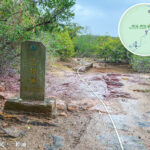
- 🔴 Hung Shek Mun: Features vibrant red rocks formed by ancient volcanic activity, rich in iron and dating back roughly 180 million years.
- 🌋 The rocks glow bright red under the sun, making it a massive check-in hotspot for geology geeks.
4. Natural Ecology
- 🌳 Common trees in the secondary forest: Taiwan Acacia, Schima, Rose Myrtle
- 🐦 Common wildlife: White-bellied Sea Eagle, Red-whiskered Bulbul, Purple Crow Butterfly
5. Hakka Culture
- 🏘️ Villages like Wu Kau Tang, Sam A Tsuen, and Lai Chi Wo still preserve traditional Hakka architecture and lifestyles.
- 🍽️ Great spot to enjoy Hakka cuisine, with places like Fook Lee Tea House serving up authentic local bites.
—
📍 Main Attractions
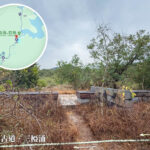
Attraction English Name Highlights Kau Tam Tso Kau Tam Tso Top spot for red autumn leaves, best viewed from Dec to Jan 🍁 上苗田與下苗田 Sheung & Ha Miu Tin Abandoned farmhouses and terraced fields showing old rural village life Hung Shek Mun Hung Shek Mun Stunning red rock formations and geological wonders 🔴 Sam A Tsuen Sam A Tsuen Charming Hakka village where you can try authentic local food 🍽️ —
🌿 Nature & Geological Wonders
🔴 Hung Shek Mun
- Formed by volcanic activities around 180 million years ago, the rocks are rich in iron and boast a bright red color.
- One of the few places in Hong Kong where you can see this rare “million-year-old red rock” landscape.
🌳 Ecological Environment
- The trail takes you past mangroves, freshwater streams, and secondary forests.
- Common plants: Taiwan Acacia, Schima, Rose Myrtle.
- Wildlife: White-bellied Sea Eagle, Red-whiskered Bulbul, Purple Crow Butterfly.
—
🏘️ Exploring Hakka Culture
- Villages along the trail include Wu Kau Tang, Sam A Village, and Lai Chi Wo.
- You can check out traditional walled Hakka houses and feast on authentic Hakka cuisine.
- Sam A Village serves as a great pit stop with food and supply options like Fook Lee Tea House and Hop Yick Bee Farm.
—
🥾 Hiking Routes
🔰 Leisure Route (Approx. 5km)
Starting Point Wu Kau Tang Route Kau Tam Tso → Sheung Miu Tin → Ha Miu Tin → Sam A Village Return Retrace your steps or take a ferry via Lai Chi Wo Duration Around 2–3 hours Difficulty ⭐⭐☆☆☆ (Moderate) 🧗 Advanced Route (Approx. 10km)
Starting Point Wu Kau Tang Route Lai Sam Ancient Trail → Tiu Tang Lung → Hung Shek Mun → Sam A Village → Miu Sam Ancient Trail Return Retrace your steps or take a ferry via Lai Chi Wo Duration Around 5–6 hours Difficulty ⭐⭐⭐⭐☆ (Challenging) —
🧰 Hiking Tips
- 📱 Download offline maps beforehand, as mobile signals can be weak or non-existent in certain areas.
- 🥾 Wear non-slip hiking shoes, and pack plenty of water, snacks, and sun protection.
- 🌧️ Avoid heading out on rainy days, as some sections require wading through streams.
- 🕓 Aim to head back before 4:30 PM so you don’t miss the last minibus or bus.
—