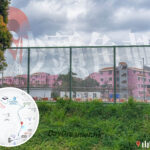
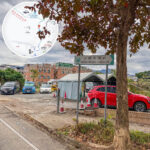
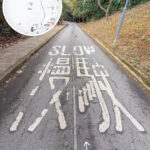
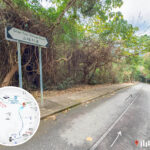
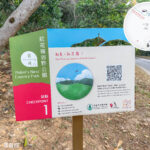
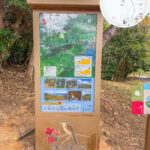
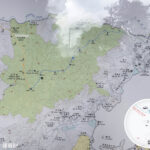
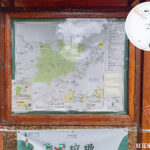
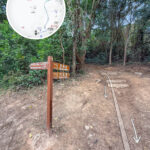
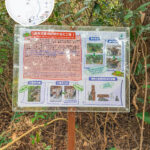
🛣️【Shan Tsui Village Road (山咀村路)】 is a village road in the Sha Tau Kok area of the North District in the New Territories, Hong Kong. It serves as a rural link connecting Sha Tau Kok Road with Shan Tsui Village, primarily linking Tam Shui Hang Village and Shan Tsui Village near the Chung Ying Street border area. Located within the Sha Tau Kok Frontier Closed Area near the Shenzhen border, the road features a mix of gravel and dirt paths lined with dense woodlands, offering a tranquil environment. It is also a key access route to Robin’s Nest Country Park, with many visitors taking this path to reach the start of the hiking trails for a hike or a historical exploration journey. —
📌 Quick Facts
Item Details 🛤️ Road Name Shan Tsui Village Road (山咀村路) 📍 Location Sha Tau Kok, North District, New Territories, Hong Kong (Within the Frontier Closed Area, near the Shenzhen border) 🧭 Start & End Points Start: Tam Shui Hang Village
End: Shan Tsui Village🏘️ Connected Villages Shan Tsui Village (A 17th-century Hakka village, originally farming-based) 🗺️ Terrain & Road Conditions A mix of gravel and dirt tracks surrounded by dense woods; some sections are raw and unpaved 🌳 Surrounding Nature Robin’s Nest Country Park, Fung Shui woods, pristine woodlands with excellent ecological conservation 🪖 Military Relics WWII Japanese bunkers and trenches built using forced village labour; now a popular spot for historical exploration 🏛️ Historic Buildings Hiu Tin Kung (Built in 1895, formerly used as a school, now a Declared Monument)
Di Ching Wong Ancestral Hall (Grade 3 Historic Building)🧱 Architectural Style Traditional Hakka green-brick houses, granite walls, “yin-yang” tiled roofs, clay plaster reliefs, and decorative wood carvings 📚 Cultural Highlights Rich Hakka culture seamlessly blending religious, educational, and residential architectural styles 🚶♂️ Best For Heritage walks, cultural photography, nature strolls, and eco-watching 🦟 Things to Note Unpaved roads (hiking shoes recommended), bring mosquito repellent, and a Closed Area Permit (CAP) is required for entry Bus 🚌 Getting There Take a green minibus (GMB) from Fanling to Tam Shui Hang Village, then walk in. Closed Area Permits can be applied for via the Hong Kong Police Force / Immigration Department. 🧭 Tourism Value Ideal for in-depth cultural explorers, history buffs, and photographers, offering a perfect blend of nature and heritage 🏞️ Opening Status With the gradual opening up of the Sha Tau Kok Closed Area, it is drawing more visitors, though a Closed Area Permit is still mandatory — The area surrounding this road is steeped in rich historical and cultural heritage. Shan Tsui Village is an ancient Hakka village dating back to the 17th century. Many traditional Hakka structures remain along the route, such as the Di Ching Wong Ancestral Hall (a Grade 3 Historic Building) and Hiu Tin Kung (built in 1895 and used as a school, now a Declared Monument). These buildings reflect the lifestyle and educational history of the Hakka people in the old days. Additionally, pillboxes and trench relics built by the Japanese military during the WWII occupation dot the area, standing as silent witnesses to the region’s wartime history. —
🗺️ Location & Route Features
Shan Tsui Village Road is situated in Sha Tau Kok, North District, New Territories, and is part of the Sha Tau Kok Frontier Closed Area. The road links Tam Shui Hang Village with Shan Tsui Village, winding through dense woods, rolling hills, and traditional Hakka villages.
- Start Point: Tam Shui Hang Village
- End Point: Shan Tsui Village
- Road Surface: Mainly unpaved gravel and dirt tracks; sturdy hiking shoes with good grip are highly recommended
- Nearby Attractions:
- Robin’s Nest Country Park
- WWII Japanese Bunkers & Trenches
- Old Hakka Houses & Ancestral Halls
— Following the phased reopening of the Sha Tau Kok Closed Area, Shan Tsui Village Road has become a hotspot for visitors drawn to its natural scenery and cultural heritage. Here, visitors can enjoy the tranquility of a traditional Hakka village or use the road as a starting point to explore the natural beauty of Robin’s Nest, such as the red azaleas in spring and the silvergrass fields in winter. Please note that certain sections of the trail are rough and unpaved, so proper hiking footwear and mosquito protection are advised. For transport, you can take KMB Bus 78K or Green Minibus 55K to the Tam Shui Hang stop and walk in. —
🚌 Transport & Visiting Tips
Item Recommendations Getting There MTR Sheung Shui Station or Fanling Station → Catch KMB Bus 78K → Alight at Tam Shui Hang Stop Gear Hiking shoes with good grip, mosquito repellent, and enough water and snacks Important Notes No replenishment points along the way; lots of gravel tracks; please take your own litter away and put safety first —
🎒 Suggested Itinerary (Approx. 3–4 hours, perfect for a half-day trip)
- Tam Shui Hang Village → Starting point of Shan Tsui Village Road
- Explore Hakka graves and Fung Shui woods
- Check out the WWII Japanese bunkers and trenches
- Discover old Hakka houses and Hiu Tin Kung in Shan Tsui Village
- Head back to Tam Shui Hang Village or continue up to Robin’s Nest Country Park
—
🌟 Top Highlights along Shan Tsui Village Road
- 🏯 Hiu Tin Kung’s Octagonal Windows & Study Hall Layout: A beautiful blend of Hakka culture and educational heritage with stunning architectural details.
- 🧱 Abandoned Old Houses & Clay Reliefs: Feel like stepping back a century in time—perfect for photography and cultural documentation.
- 🪖 Japanese Bunkers & Trenches: Well-preserved wartime relics, making this one of the rare WWII military heritage sites remaining in Hong Kong.
- 🌿 Fung Shui Woods & Robin’s Nest Country Park: Rich natural ecosystem, perfect for enjoying birdsong and a diverse range of plant species in the woods.
🏘️ Village History & Architectural Culture
Shan Tsui Village
- Est. Date: History traces back to the 17th century; a traditional Hakka village
- The villagers used to lead a simple, self-sufficient life mainly focused on farming
- Architectural Features:
- Green-brick houses
- Granite walls
- “Yin-yang” tiled roofs
- Clay plaster reliefs and wood-carved window frames
Hiu Tin Kung
- Built in 1895, dedicated to Kwan Tai (God of War)
- Doubled as a village school in the past; now a Declared Monument
- Architectural Highlights:
- Octagonal windows
- Study hall layout that combines both educational and religious functions
- The commemorative rebuilding plaques note that donors hailed from Australia, Singapore, Honolulu, and San Francisco, showcasing the extensive early overseas Chinese network
Architectural Highlights
Building Name Features Historical Status Hiu Tin Kung A Kwan Tai temple that also functioned as a school; built in 1895 Declared Monument Kwan Ah Public School Built through donations raised by Hakka villagers; completed in 1930 Grade 3 Historic Building Hakka Ancestral Hall Features granite walls, clay plaster eaves, and iron-barred windows High Cultural Value —
🪖 Wartime Relics & Anti-Japanese Resistance History
Wartime Military Facilities from the Japanese Occupation
- During WWII, the Japanese military forced local villagers to build military infrastructure to defend against the East River Column guerrillas.
- Surviving relics include:
- Trenches: About 4 feet deep, linking various military strongpoints, pillboxes, and water wells.
- Pillboxes/Bunkers: Stone-built structures featuring gun slits and ventilation holes.
- Observation Posts: Used to keep watch over the vast area spanning Sha Tau Kok to Ta Kwu Ling.
- Water Wells: Used for drinking water and cooling machine guns. The well walls were lined with cobble stones, and rumor has it that Japanese soldiers used them to scrub their backs during baths.
- Special Features:
- The cobble stone walls were supposedly designed for back-scrubbing, showing how particular the Japanese soldiers were about daily life
- After the war, these spots were used as hiding places for smuggled goods
Compared to the British military’s Gin Drinkers Line, these bunkers are much more rudimentary, reflecting the Japanese military strategy of rapid construction using forced local labour.
—
🧭 Sha Tau Kok Anti-Ching Yuen / War of Resistance Memorial Hall
- Originally the Law Family Mansion, built in 1930 and stretching over 6,000 sq ft.
- During the War of Resistance, it served as a vital communication hub and secret meeting place for the Hong Kong-Kowloon Independent Brigade.
- Now converted into a memorial hall, featuring exhibits on:
- The wartime history of the East River Column
- The heroic stories of the Law family, known as the “Anti-Japanese Patriotic Family”
- Sculptures of the guerrilla fighters, symbolizing the involvement of intellectuals, women, and youth in the resistance movement
—
🌳 Natural Ecosystem & Fung Shui Woods
- Villagers protect the woods on the hill behind the village as Fung Shui woods, symbolizing blessings, protection, and good fortune
- Ecological Highlights:
- Rare butterflies such as the Spindasis lohita (Long-banded Silverline), Curetis acuta (Angled Sunbeam), and Strymonidiaia species
- Opisthotropis lateralis (Tonkin Broad-headed Chinese Stream Snake)
- Incense Tree (Aquilaria sinensis): A heavily protected tree species in Hong Kong
- Long-leaved Boxwood (Flacourtia jangomas): A native tree species
- The canopy walk vibe makes you feel like you’ve stepped right into a foreign countryside
—
⚰️ Hakka Burial Customs & Grave Culture
- Empty graves are a common sight here, reflecting the traditional custom of “secondary” or “tertiary burial”
- Exhumed remains are relocated to prime Fung Shui locations and placed in “Kam Tap” (bone pots) or horseshoe-shaped graves
- Graveyards are mostly tucked away on the back hills, coexisting harmoniously with the Fung Shui woods
—
🧠 Fun Facts & Trivia
- The Sha Tau Kok Frontier Closed Area was established in 1951 to curb smuggling and political infiltration, once covering a massive 2,800 hectares.
- Following the Handover, it has been gradually opened up. Today, you can access certain villages simply by applying online for a Closed Area Permit.
- Shan Tsui Village Road has now become a popular route for cultural guided walks and eco-tourism.
—