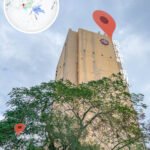
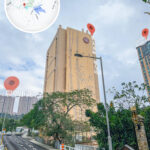
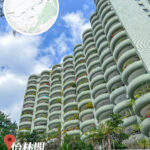
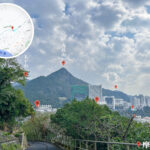
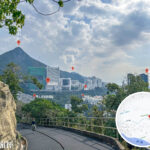
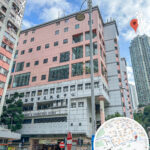
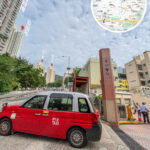
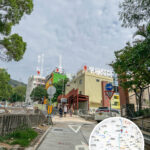
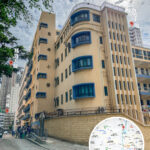
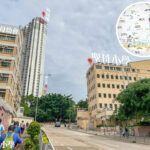
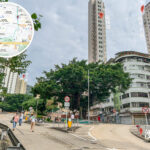
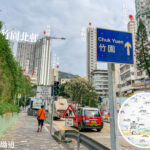
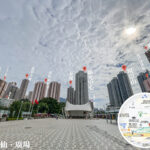
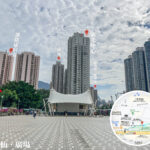
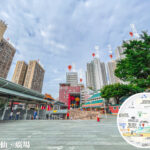
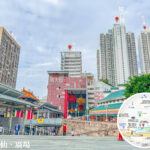
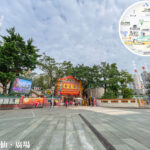
🏢 【Buildings】 stand as one of the most vivid symbols of this city. Due to limited land and a dense population, architectural designs consistently chase a perfect blend of “high density” and “multifunctionality.” From early Tong Lau (traditional tenement buildings) to modern skyscrapers, each architectural style carries the lifestyle and social needs of its era. These structures are far more than just residential spaces; they act as vibrant hubs of business, culture, and community, beautifully reflecting Hong Kong’s unique balance between heritage and modernization.
📌 Basic Information
Type Storey / Height Architectural Features Iconic Locations 🏮 Tong Lau 3–8 storeys High ceilings, overhanging balconies (verandahs), shophouses with ground-floor retail and upper-floor residential. Sheung Wan, Tai Ping Shan Street 🏢 Building with lifts Above 8 storeys Equipped with lifts, reinforced concrete structures, and modern layouts. Central, Wan Chai 🏘️ Public Housing Estates 20–40 storeys High density, standardized layouts, self-contained community facilities. 🌈 Choi Hung Estate, 🏙️ Mei Foo Sun Chuen 🌇 Skyscrapers Above 200 meters Glass curtain walls, ultra-high-rise structures, mixed commercial and retail use. 🏙️ IFC II, 🌐 ICC —At the same time, the remarkable diversity of our 【buildings】 showcases Hong Kong’s true urban character: public housing estates stand as a testament to the government’s efforts to house the population; mid-rise residential buildings reflect post-war urban renewal; while sleek, glass-clad skyscrapers symbolize Hong Kong’s modern status as an international financial hub. Whether it is the vibrant, rainbow-colored facades of Choi Hung Estate or the towering silhouette of Two International Finance Centre, Hong Kong’s skyline forms a breathtaking urban canvas where “the old meets the new”—serving both as a vessel for daily life and a living carrier of our culture.—
🏢 Major Types of Hong Kong Buildings
- Tong Lau / Tenement Buildings
- Built predominantly in the 1960s or earlier, usually standing 3–8 storeys tall without any lifts.
- Shophouse Design: The ground floor is dedicated to commercial shops, while the upper floors serve as residential flats.
- Architectural Features: High ceilings, overhanging street verandahs, terrazzo floor tiles, and ornate wrought-iron windows.
- Iconic Districts: Sheung Wan and Tai Ping Shan Street.
- Mid-Rise / High-Rise Private Buildings
- Constructed post-war, typically rising above 8 storeys and equipped with passenger lifts.
- Built primarily with reinforced concrete, offering highly functional and modernized living layouts.
- Ubiquitous across bustling urban centers like Central and Wan Chai.
- Public Housing Estates
- Mass-produced by the government since the 1950s to resolve the city’s pressing housing demands.
- Features: High-density living, highly standardized architectural designs, and fully self-contained community amenities.
- Iconic Examples: Choi Hung Estate and Mei Foo Sun Chuen (a pioneering private mega-estate).
- Skyscrapers
- Stand as grand structural statements reflecting Hong Kong’s global status as an international financial capital.
- Features: Gleaming glass curtain walls, soaring heights surpassing 200 meters, mostly used for premier corporate offices and luxury residences.
- Iconic Landmarks: Two International Finance Centre (IFC II) and International Commerce Centre (ICC).
—
📐 Structural Characteristics & Urban Traits
- Land Scarcity → High-Density Architecture: Hong Kong buildings generally feature high verticality with compact, tightly packed units.
- Mixed-Use Spaces: Commercial offices, residential apartments, and retail storefronts regularly coexist within a single high-rise tower.
- Massive Age Gaps: A striking urban contrast is formed by century-old Tong Lau standing right next to newly completed luxury skyscrapers.
- High Efficiency vs. Modern Layouts: Traditional Tong Lau boast a practical usable floor area ratio close to 100%, whereas modern buildings see slightly lower efficiency due to window bay features, thick walls, and public corridors.
—
🏙️ Cultural & Historical Significance
- Tong Lau: Carry the collective living memories of generations of Hong Kong families, serving as a microcosm of our early urban culture. Today, many are beautifully preserved or revitalized into trendy restaurants, boutique shops, and art galleries.
- Public Housing Estates: Symbolize Hong Kong’s core social welfare policies aimed at providing affordable housing, nurturing a unique and close-knit neighborhood estate culture.
- Skyscrapers: Stand proud as the modern, international face of Hong Kong, capturing the sheer economic momentum and financial strength of the city.