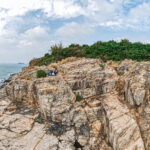
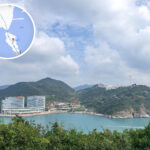
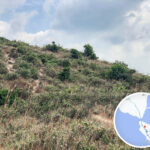
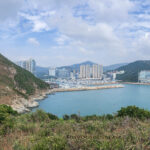
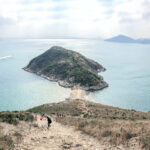
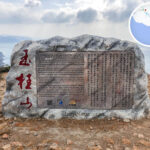
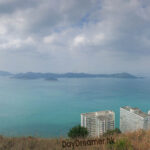
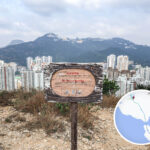
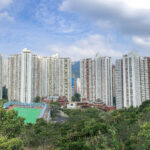
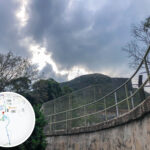
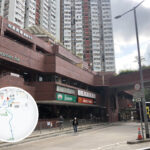
🏝️ 【Ap Lei Chau】 (also known as Aberdeen Island) is a long, narrow island named after its distinct shape, which resembles a duck’s tongue (“Lei” means tongue in Cantonese). It faces Aberdeen across the Aberdeen Typhoon Shelter and is linked to Hong Kong Island via the Ap Lei Chau Bridge. Despite spanning just about 1.3 square kilometers, it is home to nearly 90,000 residents, making it one of the most densely populated islands in the world. The island’s highest point is Mount Johnston (Yuk Kwai Shan), standing at around 196 meters, offering sweeping, panoramic views of the Southern District coastline and its majestic harbor scenery.
📌 Fast Facts
Item Details 🗺️ Location Situated in the Southern District of Hong Kong Island, facing Aberdeen across the Aberdeen Typhoon Shelter 📐 Area Approx. 1.3 square kilometers 👥 Population Around 86,355 (as of 2011), with a population density of 66,426 people/km², ranking second globally ⛰️ Highest Point Mount Johnston / Yuk Kwai Shan, standing at 196 meters above sea level 🏢 District Part of the Southern District —
— Since the old days, Ap Lei Chau has been a major settlement for fishermen, and it still holds onto its seaside heritage and traditional beliefs today. The Hung Shing Temple, built in 1773, stands as a testament to the community’s deep respect for the sea god. With the urban boom in the late 20th century, massive residential estates like South Horizons and Lei Tung Estate sprung up, reshaping the island into a vibrant, modern neighborhood. Today, Ap Lei Chau beautifully captures a blend of old and new—where fishing trawlers still bob in the typhoon shelter, while the MTR’s South Island Line offers seamless connectivity, making it one of the most unique coastal neighborhoods in Hong Kong’s Southern District. —
🌄 Landscape & Geography
- Shape: Long and narrow like a duck’s tongue, which gives the island its name “Ap Lei Chau.”
- Layout:
- North & West Coast: High-density residential zones, featuring Ap Lei Chau Estate and South Horizons.
- East Side: Hillside estates, including Lei Tung Estate.
- Southwest Corner: The Lee Nam Road Industrial Area, which has recently transformed into a hotspot for luxury outlet malls and tech firms.
—
🏯 History & Culture
Era Key Milestones & Cultural Highlights 🐟 Early Fishing Village Records of settlers date back to the Ming Dynasty’s Yue Da Ji; Ap Lei Chau Main Street was the earliest hub of local life. 🛕 Religious Heritage The Hung Shing Temple was built in 1773 to honor the god of the sea, mirroring the spiritual roots of the seafaring community. 🇬🇧 Colonial Period Following the Treaty of Nanking in 1841, Ap Lei Chau was ceded to the British alongside Hong Kong Island. ⚔️ Wartime Vestiges In 1940, the British military set up the Aberdeen Battery on Mount Johnston, which was later destroyed during WWII to prevent it from falling into Japanese hands. 🚉 Modern Expansion The Ap Lei Chau Bridge opened in 1980 and was expanded in 1994; in 2016, the MTR South Island Line commenced operations, serving residents via Lei Tung Station and South Horizons Station. —
🏘️ Community & Lifestyle
- Residential Boom: A wave of major housing projects since the late 20th century completely transformed the island’s skyline.
- Maritime Charm: Fishing boats still dock at the typhoon shelter, keeping the old fishing village atmosphere alive.
- Festive Vibrancy: Traditional celebrations like the Tin Hau Festival and Hung Shing Festival are still passionately observed.
- Foodie Scene: Renowned for fresh catches, the island boasts plenty of seafood restaurants and authentic dai pai dongs (open-air food stalls).
—
🚉 Evolution of Transport
Era Transit Infrastructure Key Takeaways ⛴️ Early Transit Residents relied heavily on small ka-to ferries to get to Aberdeen, making commuting a bit of a hassle back in the day. Highly dependent on water transport; relatively cut off. 🌉 Ap Lei Chau Bridge Opened in 1980 to connect the island to Aberdeen; a second bridge was added in 1994 to handle growing traffic. Massively improved connectivity, ending the island’s isolation. 🚇 MTR South Island Line Features Lei Tung Station and South Horizons Station, opening its doors in 2016. Plugged the island straight into the city’s main rail network, making commuting a breeze. —
🏭 Industrial Shifts & Transformation
- Lee Nam Road Industrial Area: Once a gritty manufacturing zone, it has successfully reinvented itself into a trendy destination for luxury designer outlets, auto showrooms, and data centers.
- Ap Lei Chau Power Station: Built in 1970 and decommissioned in 1989, the site was cleared to make way for the massive South Horizons private residential development.
—
📌 Hotspots & Landmarks
- Mount Johnston (Yuk Kwai Shan) – A popular, thrilling hiking trail for outdoor lovers.
- Aberdeen Typhoon Shelter – The perfect spot to take in traditional, picturesque fishing port views.
- Hung Shing Temple – A declared monument and cultural landmark rich in history.
- South Horizons – A flagship modern waterfront residential community.
- Ap Lei Chau Bridge – The vital transport lifeline connecting the island to the rest of HK.
—
🐟 Fishing Village Heritage vs 🏙️ Modern Urban Living
Aspect 🐟 Fishing Village Heritage 🏙️ Modern Urban Living Lifestyle Centered around the fishing trade, with residents living on boats or wooden shacks as “water people” (Tanka). Driven by commerce, professional services, and retail, with residents living in high-rise apartments. Beliefs & Festivals Hung Shing Temple serves as the spiritual anchor; the Tin Hau Festival is a massive yearly highlight. Dominated by community events and mall culture, with traditional religious practices taking more of a back seat. Architectural Style Wooden huts, stilt houses, and fishing trawlers nestled along the hillsides and waterfront. Public housing estates (Ap Lei Chau Estate, Lei Tung Estate) and private complexes (South Horizons). Community Vibe Tight-knit neighborhoods where fishermen looked out for one another; deep-rooted cultural traditions. Diverse population, fast-paced urban lifestyle, with a focus on modern conveniences. Economic Drivers Fishing, boat building, and seafood trading. Retail, service sectors, and high-tech industrial shifts (data centers, luxury car showrooms). Iconic Spots Hung Shing Temple, Aberdeen Typhoon Shelter. South Horizons, Lei Tung Estate, Lee Nam Road Industrial Area. —
📜 Cultural Evolution Timeline
Era Milestones & Cultural Evolution Key Locations / Landmarks Ming Dynasty (16th Century) Early settlers arrived, earning a living mainly from fishing and forming an early coastal village. Aberdeen Typhoon Shelter Qing Dynasty (18th Century) The Hung Shing Temple was built in 1773, becoming the spiritual core for local fishermen; the Tin Hau Festival became a key local event. Hung Shing Temple 1841 British Rule Following the Treaty of Nanking, Ap Lei Chau was ceded to the British alongside HK Island; the fishing trade continued to thrive. Aberdeen Channel 1940 Eve of WWII The British military established the Aberdeen Battery on Mount Johnston to bolster coastal defenses; the fishing village persisted post-war. Mount Johnston (Yuk Kwai Shan) 1970s The Ap Lei Chau Power Station was built, kicking off an industrial era, though most locals still stuck to fishing. Former Power Station Site 1980 The Ap Lei Chau Bridge opened, vastly improving transit; the completion of Ap Lei Chau Estate marked the dawn of urbanization. Ap Lei Chau Bridge, Ap Lei Chau Estate 1987 Lei Tung Estate and Yue On Court were completed, creating a massive hillside residential community. Eastern Slopes 1992–1994 South Horizons was built on the former power station site, transforming the area into a mega private residential hub, symbolizing modern living. Southern Waterfront 2000s The industrial area gradually shifted gears, with the Lee Nam Road Industrial Area welcoming luxury designer outlets and car showrooms. Southwest Area 2016 The MTR South Island Line opened, with Lei Tung Station and South Horizons Station linking the island directly to the city’s urban rail network. MTR Stations Present Day While fishing heritage lives on through the Hung Shing Temple, local festivals, and the typhoon shelter, the island is now defined by its modern high-rises, malls, and industrial transformation. A Harmonious Mix of Old & New