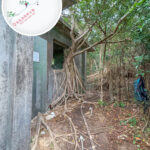
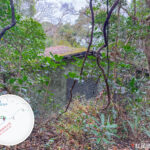
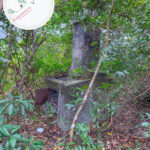
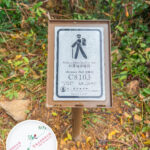
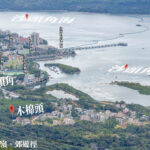
🏘️ 【Tong To Tsuen (塘肚)】 is a traditional village settlement located in the Sha Tau Kok area in the northern part of the New Territories, Hong Kong. Situated along the northeastern border and close to Yantian in Shenzhen, it is one of the historical “Ten Covenants” (Shap Yeuk) of Sha Tau Kok. Due to historical and geographical factors, the village was tucked away inside the Frontier Closed Area for decades, keeping it hidden from the general public. The name “Tong To” likely comes from its local terrain—in the Hakka dialect, “Tong” means a pond or low-lying wetland, while “To” refers to a center or hollow, reflecting its position nestled between mountains and water. Historically populated by Hakka villagers, the community lived off farming, fishing, and small-scale livestock rearing, preserving the simple charm of pre-war rural Hong Kong. As the Sha Tau Kok region was designated a border security zone in the 1950s, development here ground to a halt, which accidentally saved its natural ecosystem and traditional rural culture from being wiped out. —
📌 Basic Information
Category Details 📍 Village Name Tong To Tsuen (塘肚村) 🗺️ Location Located in the Sha Tau Kok region in the northern New Territories, Hong Kong, close to the Shenzhen border; one of the “Ten Covenants of Sha Tau Kok”. 🏘️ Village Structure Divided into three parts: Tong To Old Village (塘肚舊村), Tong To Ping Village (塘肚坪村), and Tong To Shan Village (塘肚山村). 👨👩👧👦 Main Surnames The Yau, Cheung, and Kan clans. The Yau clan moved here from Ninghua, Fujian in 1645 (the second year of the Shunzhi reign in the Qing Dynasty), while the Cheung and Kan clans arrived in 1835 and 1909 respectively. 🧭 Administrative District Part of the North District in Hong Kong, serving as an important border area next to mainland China. 🏞️ Natural Environment Features pristine streams, silvergrass plains, rolling hills, and ancient trails—a quiet, scenic spot perfect for hiking and photography. 🏯 Architectural Style Preserves plenty of traditional Hakka structures, including small concrete bridges, the Kiu Tau Pak Kung shrine, and small stone dams. 🎉 Traditional Customs The Lantern Festival “Hang San” (Deity Parade) ritual: A 400-year-old tradition where villagers carry the sedan chair of “Tai Wong Kung” across the village, accompanied by roaring gongs, drums, and firecrackers. 🥘 Festive Culture A village feast is held right after the parade, where locals invite relatives and friends to celebrate together; it stands as a key piece of intangible cultural heritage in the Gaoming region. 🚶♂️ Hiking Spots Tong To Ancient Trail: A beautifully scenic route connecting Lin Ma Hang and Wo Keng Shan Village. 🌱 Tourism Potential Great potential for cultural and eco-tourism; recent transport upgrades have been drawing an increasing number of visitors. 🧭 Research Value An essential site for studying Hong Kong’s Hakka culture, packing significant historical and anthropological value. —
🧭 Geography & Administrative Districts
- 📍 Location: Close to Lin Ma Hang and Wo Keng Shan Village, sitting right by the Shenzhen border in North District.
- 🏛️ Administration: Part of Hong Kong’s North District and one of the historical “Ten Covenants” of Sha Tau Kok.
- 🛂 Border Features: Once restricted within the Frontier Closed Area, it has been gradually opened up in recent years with improved transport links.
- 走 Outlines of the Three Sections:
- Tong To Old Village: Mainly the Yau clan, moved from Ninghua, Fujian in 1645.
- Tong To Ping Village: Mainly the Cheung clan, moved from Yim Tso Ha Village in Sha Tau Kok in 1835.
- Tong To Shan Village: Mainly the Kan clan, moved from other areas of Hong Kong in 1909.
—
🏯 Architectural & Cultural Heritage
Tong To Tsuen still retains several traditional Hakka structures and facilities today:
- 🏡 Small Concrete Bridges: A “Kiu Tau Pak Kung” shrine sits right by the bridge, serving as the symbolic guardian of the village.
- 💧 Small Dams: Used to redirect water to irrigate the fields, a clear reflection of early farming wisdom.
- 🛕 Sham Shing Wong Temple: Dedicated to “Sham Shing Wong”, this temple is the spiritual core of the villagers and the official starting point for the Lantern Festival deity parade.
—
🎎 Lantern Festival “Hang San”: Intangible Cultural Heritage
This folk festival is the most iconic cultural heritage of Tong To Tsuen. Blending prayers for blessings, warding off evil spirits, and fostering community bonds, this tradition dates back to the late Ming Dynasty and has over 400 years of history.
Origins & Legend
Legend has it that during the late Ming Dynasty, a villager named Yim Hok-sze was heading to the capital for his imperial exams when he received blessings from the divine tablet of “Sham Shing Wong”, helping him pass the exam and become a Jinshi scholar. Returning home in glory, he built the Sham Shing Wong Temple and started the “Hang San” ritual to give thanks to the deity.
📅 Event Date
- The 15th day of the first lunar month (The Lantern Festival)
營 Ritual Process
- Lion Dance Gathering: Lion dance troupes from four local neighborhoods perform together in front of the temple, symbolizing unity.
- Sedan Chair Parade: Newlywed young men carry the sedan chair of “Tai Wong Kung” to tour the whole village. The atmosphere gets incredibly lively with thunderous drums, gongs, and firecrackers lighting up the trail.
- Red Ribbon Blessings: Villagers collect red ribbons to pray for love, marriage, and good health.
- Homemade Lai Fun Feast: A massive village feast kicks off after the parade. Every household cooks chicken and traditional Lai Fun rice noodles to treat their family and friends.
—
🌿 Natural Landscapes & Ancient Trails
Beyond its rich culture, Tong To Tsuen offers stunning natural beauty:
- 🥾 Tong To Ancient Trail: Connecting Lin Ma Hang and Wo Keng Shan Village, this route is packed with freshwater streams, silvergrass plains, and old stone steps—an absolute dream for hikers and photographers.
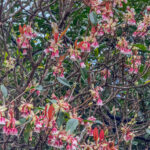
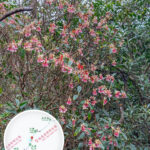
- 🌳 Local Ecosystem: The pristine woodlands and natural water sources surrounding the village make it a magnet for eco-tourists.
—
🚀 Tourism Potential & Future Outlook
Thanks to the easing of border restrictions and better infrastructure, Tong To Tsuen is steadily turning into a cultural and eco-tourism hotspot:
- 🛣️ The government has upgraded local roads, making it much easier for visitors to drop by.
- 🏞️ The area can easily be developed into a comprehensive destination combining Hakka culture with nature exploration.
- 🎯 It is well on its way to becoming an iconic cultural tourism spot within the Greater Bay Area.
—
🧠 Summary: The Multi-Faceted Value of Tong To Tsuen
Aspect Key Features & Value History & Culture Hakka migration history, Lantern Festival deity parade, and the legend of Sham Shing Wong. Architectural Heritage Kiu Tau Pak Kung shrine, small stone dams, and ancient footpaths. Natural Landscape Freshwater streams, silvergrass plains, and scenic ancient trails. Folk Customs Deity parade, Lai Fun rice noodle feasts, and red ribbon blessings. Tourism Potential Gradual opening of the border area, packing a double punch of cultural and ecological appeal. —