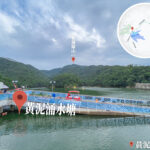
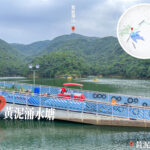
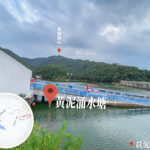
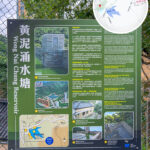
🏞️ 【Wong Nai Chung Reservoir (黃泥涌水塘)】 is a historically significant waterworks facility in Hong Kong. Built in 1899, it stands proud as the third oldest surviving reservoir in the territory. Nestled in the southern part of Hong Kong Island, it originally served as a vital auxiliary water source outside the main Tai Tam Reservoir system, playing a crucial role in boosting the island’s overall water storage capacity. The original engineering design features a masonry dam, a valve house, and a weir spillway. These historic structures were officially designated as Declared Monuments in 2009, highlighting their immense cultural and historical value. — Over the years, the function of the reservoir gradually evolved. With the completion of massive new water storage projects in the 1960s—such as Tai Lam Chung Reservoir and Plover Cove Reservoir—Wong Nai Chung’s strategic importance to the city’s main water supply steadily declined. It was officially decommissioned in 1986 and creatively repurposed into a public leisure park, making history as Hong Kong’s very first boating park. Today, Wong Nai Chung Reservoir Park is a highly popular destination for residents seeking recreation and fitness, offering scenic jogging paths and family-friendly boating facilities wrapped in pristine nature. —
🗺️ Quick Info
Item Details English Name Wong Nai Chung Reservoir Location Wong Nai Chung Gap, Southern District, Hong Kong Island (Situated just off Tai Tam Reservoir Road) Year of Completion 1899 Storage Capacity 27 million gallons (Approx. 12,000 cubic metres) Original Purpose Served as an auxiliary supply source for the Tai Tam waterworks network Current Purpose Recreational Public Park Managing Body Leisure and Cultural Services Department (LCSD) —
📍 Getting There
Mode of Transport Route Details 🚍 Public Bus Hop on Bus 6 from Central Exchange Square and alight at the “Wong Nai Chung Reservoir Park” stop. 🚌 Green Minibus Take Green Minibus 5 from Causeway Bay. —
🏛️ Historic Architecture & Heritage Conservation
Structure Name Year Built Architectural Features Heritage Status Masonry Dam 1899 Constructed from neat rows of dressed granite blocks with a pedestrian pathway running along the crest. Declared Monument Valve House 1899 Built using rugged, rock-faced stone blocks; originally featured a traditional hipped roof, which was converted to a flat roof in 1979. Declared Monument 1
Weir Spillway 1899 Engineered with a curved, stepped masonry profile designed to channel overflow safely back into natural watercourses. Declared Monument Staff Quarters 1930s Recognized in 2009 for its architectural charm and historic role in reservoir operations. Grade 2 Historic Building —
📜 Historical Timeline
Year Key Event 1894 A severe plague outbreak hits Hong Kong, prompting the British administration to prioritize public sanitation reforms. 1899
1899 Wong Nai Chung Reservoir is completed to provide crucial water backup to the Tai Tam system. 1960s
1960s The site gradually loses its water supply function to newer, large-scale reservoir infrastructure. 1986
1986 The reservoir is officially decommissioned and transformed into Hong Kong’s very first water-boating park. 2009
2009 The core historic waterworks structures are officially designated as Declared Monuments. —
🏞️ Adaptive Reuse & Transformation
- Following its retirement from the active water supply network in 1986, the site reopened as a dynamic water park.
- Available park facilities include pedal boats, rowboat rentals, a refreshment kiosk, and a relaxing outdoor seating area.
- In 1987, the project received the Architectural Services Department Annual Award for its low-profile, eco-conscious design that beautifully harmonizes with the surrounding landscape.
—
🌳 Wong Nai Chung Reservoir Park
Managed by the Leisure and Cultural Services Department, this historical oasis has been a cornerstone of local outdoor leisure since its grand opening in 1986.
🚣♀️ Park Facilities & Activities
- The popular pedal boat rentals returned to full operation in 2022, offering options for both 2-seater and 4-seater boats.
- Operating Hours: Weekdays from 11:00 to 18:00; Weekends and Public Holidays from 09:00 to 18:00 (The lakeside dining area opens at 10:00 daily).
- Pedal Boat Rates: $60 for a 2-seater / $120 for a 4-seater (Based on a standard 45-minute rental slot on weekdays).
- Traditional rowboats are also available for hire.
- The Lakeside Cafe: Serves delightful afternoon tea snacks, local favorites like fish balls, siu mai, sandwiches, and traditional sweet tofu pudding, all set within a peaceful waterfront dining area.
- A brilliant, accessible spot for young children to connect directly with nature and explore freshwater lake ecosystems.
- Fish Feeding: Bags of dedicated fish feed can be purchased for around $20 at the kiosk—an absolute hit for visiting families.
- Scenic Footpaths: Connects directly onto major hiking tracks leading to Violet Hill and Stanley Gap Road.
📸 Photography Tips
- Plan your visit during the early morning or golden hour before sunset to capture the most stunning, glass-like water reflections.
- The park can draw crowds over weekends and public holidays; opt for a weekday visit if you prefer a quieter, more serene experience.
- Always bring along adequate sun protection and plenty of drinking water.
—
🌿 Nearby Attractions
- Tai Tam Reservoir Road: A fantastic paved stretch perfect for relaxed walking and birdwatching.
- Aberdeen Country Park: Home to lush nature trails and rich biodiversity exploration.
- Jardine’s Lookout Viewpoint: Offers sweeping, panoramic vistas over the eastern side of Hong Kong Island.
—
🚶♂️ Hiking Trails
Wong Nai Chung Reservoir serves as a prominent trailhead gateway for several classic island hikes, including:
- The Violet Hill Trail
- Wilson Trail • Section 1
- The Twins (Ma Kong Shan)
- Stanley Gap Road Descent
—
🏆 Architectural Acclaim
The park won the Architectural Services Department Annual Award in 1987, highly praised for its understated layout that gently blends modern recreation into a sensitive natural habitat.
—
🌳 Ecology & Nature Education
The reservoir was once a bustling sanctuary for swans and mandarin ducks. Although the birds were removed in 1997 due to avian flu precautions, the park remains a prime hotspot for local birdwatching and a fantastic outdoor classroom for children.
—
⚔️ Military History
In the late 1930s, Wong Nai Chung Gap was fortified as a crucial strategic defense stronghold, complete with anti-aircraft gun placements, howitzer batteries, and pillboxes. During the Battle of Hong Kong in December 1941, Allied forces—including the Winnipeg Grenadiers from Canada and British regiments—engaged in fierce close-quarters combat here, heroically holding off advancing Japanese troops for several critical days. —