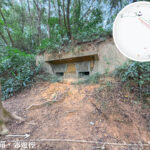
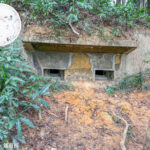
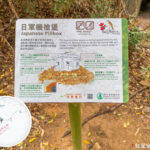
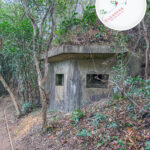
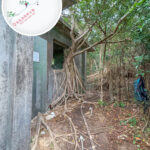
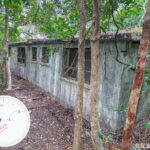
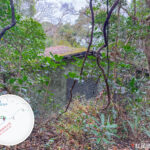
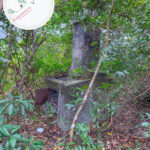
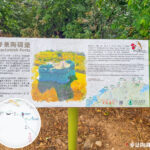
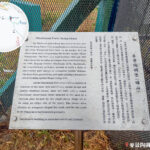
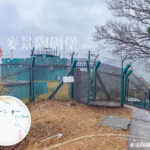
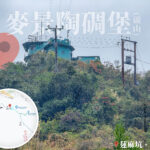
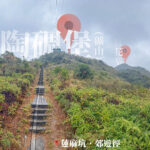
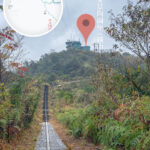
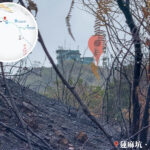
🏰 【Pillboxes】 During World War II, Hong Kong’s pillboxes were primarily distributed across the mountain ranges of the New Territories and the coastline of Hong Kong Island, forming a comprehensive network of defensive fortifications. The most famous among them is the “Gin Drinkers Line” (醉酒灣防線), spanning approximately 18 kilometres from Kwai Chung all the way to Port Shelter in Sai Kung, passing through Kam Shan, Shing Mun Reservoir, Lion Rock, and other areas. This defensive line featured over 90 pillboxes, with the Shing Mun Redoubt (城門棱堡) serving as its core stronghold. It was equipped with interconnected tunnels, trenches, and machine gun pillboxes, with the tunnels uniquely named after famous London streets, reflecting the British military’s planning style. However, in December 1941, the Japanese army breached this line in just a few hours, forcing the British forces to retreat to Hong Kong Island.—On Hong Kong Island, the British military constructed around 90 pillboxes along the coastlines and ridgelines of Victoria Peak, Lei Yue Mun, and Stanley. Around 24 of these survive today, which primarily operated alongside coastal defence batteries to provide both land and sea defence. On the other hand, during the Japanese occupation, the Japanese military forced local residents to construct pillboxes in northeastern New Territories, including Luk Keng, Shan Tsui, and Pak Fu Shan, to suppress anti-Japanese guerrilla forces. These pillboxes were mostly built with reinforced concrete and situated in strategic positions, with elevations ranging from near sea level up to 500 metres in mountainous terrain. Today, some of these ruins remain, serving as vital historical testimonies to the Battle of Hong Kong and the Japanese occupation.—
📜 Essential Information
- Construction Era: Mainly constructed in the 1930s by the British Royal Engineers.
- Purpose: Defending against the Japanese invasion, forming part of the “Gin Drinkers Line”.
- Structural Features:
- Tunnel systems named after London streets, such as “Oxford Street” and “Piccadilly”.
- Machine gun pillboxes numbered, such as 400–403, and equipped with open-air trenches.
- Battle Background:
- The Battle of Hong Kong (香港保衛戰) raged from 8 to 25 December 1941. The defending garrison fought valiantly but the city ultimately fell.
- The Shing Mun Redoubt was captured by the Japanese 228th Regiment on the night of 9 December 1941.
—
📍 Gin Drinkers Line
- Coverage: Stretching from Kwai Chung to Port Shelter in Sai Kung, with a total length of approx. 18 km
- Geographical Location: Passing through Kam Shan, Shing Mun Reservoir, Beacon Hill, Lion Rock, and Tate’s Cairn (Tai Lo Shan)
- Quantity: At least 93 pillboxes, with 59 surviving today
- Representative Stronghold: Shing Mun Redoubt, consisting of interconnected tunnels, trenches, and machine gun pillboxes, with tunnels named after London streets
- History: On the night of 9 December 1941, the Japanese army launched a surprise attack on the Shing Mun Redoubt, breaching the defensive line in just a few hours and forcing the British military to retreat to Hong Kong Island
—
🏝️ Hong Kong Island Pillboxes
- Coverage: Along the ridgelines and coastlines of Hong Kong Island, such as Victoria Peak, Lei Yue Mun, and Stanley
- Quantity: At least 93 pillboxes, with 24 surviving today
- Features: Mostly situated in seaside locations, operating alongside coastal defence batteries to cover both sea and land defence
- Current Status: Some are still visible today around Stanley and Lei Yue Mun, frequently featured in historical education and heritage tourism routes
—
🗻 Japanese Pillboxes
- Coverage: Northeastern New Territories, including Luk Keng, Shan Tsui, and Pak Fu Shan
- Construction: Built using forced local labour during the Japanese occupation period from 1941 to 1945
- Purpose: Primarily used to suppress anti-Japanese guerrilla forces (such as the East River Column); situated in rugged positions ideal for monitoring valleys and bays
- Current Status: Some still survive, but the pillbox clusters in Sai Kung‘s Wong Chuk Yeung and on Lantau Island have been destroyed
—
🛡️ Architectural Features
- Materials: Reinforced concrete, with some incorporating masonry stone
- Structure: Embrasure/gun loops, trenches, tunnels, and command posts
- Terrain: Utilising natural barriers of ridgelines and coastlines, with elevations varying from 3 metres to 500 metres
—
📊 Distribution Comparison Table
Type Coverage Builder Quantity Function Current Status Gin Drinkers Line Kowloon mountain ranges to Port Shelter, Sai Kung British Forces Approx. 93 pillboxes, 59 surviving Defending against northern attacks Shing Mun Redoubt is the most iconic Hong Kong Island Pillboxes Ridgelines and coastlines of Hong Kong Island British Forces Approx. 93 pillboxes, 24 surviving Defending against maritime landings Still visible around Stanley and Lei Yue Mun Japanese Pillboxes Northeastern New Territories (Luk Keng, Shan Tsui, Pak Fu Shan) Japanese Forces Unknown Suppressing guerrilla forces Some survive; those in Sai Kung & Lantau Island destroyed —
🌏 Historical Significance
- Strategic Status: Hong Kong was one of the few British colonies that saw actual deployment and engagement of land-based defensive fortifications during World War II.
- Heritage Conservation: The pillbox clusters reflect military strategy and the tactical use of geography. Some have already been listed as Grade II Historic Buildings (such as the Shing Mun Redoubt).
- Education & Tourism: Although some pillboxes are difficult to access, they serve as crucial historical resources for researching the Battle of Hong Kong and possess substantial potential for heritage tourism.
—
✨ Summary
- The distribution of Hong Kong’s WWII pillboxes mirrors the British defense strategy: “utilising the New Territories ridgelines as barriers, and turning Hong Kong Island’s gorges into strongholds”. The iconic Shing Mun Redoubt is not only the core of the defensive line, but also a vital heritage site for modern research on the Battle of Hong Kong.
- These pillboxes are military remnants of World War II in Hong Kong. Serving as both defensive fortifications and physical vessels of historical memory, they intertwine the narratives of the Battle of Hong Kong and the Japanese occupation period.