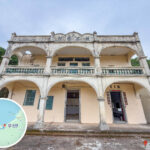
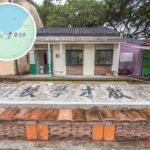
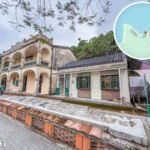
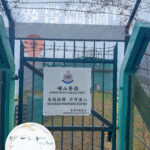
🏯 【Monuments / Heritage Sites】 are not only the urban memory of Hong Kong, but also a testament to the intertwining of culture and history. From colonial-era police stations and churches, to Hakka walled villages and clan ancestral halls, and further to coastal defence batteries and fishing village relics, these historic sites are scattered across Hong Kong Island, Kowloon, the New Territories, and the Outlying Islands, shaping a multi-layered cultural map. Hong Kong currently boasts 136 Declared Monuments distributed across Hong Kong Island, Kowloon, the New Territories, and the Outlying Islands, encompassing a diverse cultural heritage that includes religious buildings, military facilities, colonial structures, and Hakka walled villages.
🗺️ Overview of Hong Kong Heritage Distribution
Region Count Iconic Monuments / Heritage Sites Typology & Features 🏝️ Hong Kong Island 58 Tai Kwun, Béthanie Monastery, Old Wan Chai Post Office ⚖️ Colonial Police Stations, ⛪ European-style Religious Architecture, 📮 Public Facilities 🏙️ Kowloon 14 Sik Sik Yuen Wong Tai Sin Temple, Clock Tower of the Former Kowloon-Canton Railway, Former Kowloon British School 🛕 Taoist Temples, 🏫 Colonial Educational Architecture, ⏰ Transport Landmarks 🌄 New Territories 64 Tang Ancestral Hall in Ping Shan, Sam Tung Uk Museum, Hung Lau in Castle Peak 🏘️ Hakka Walled Villages, 👨👩👦 Clan Ancestral Halls, 🚩 Revolutionary Sites ⛵ Outlying Islands 9 Tung Chung Fort, Yim Tin Tsai Village 🛡️ Coastal Defence Military Facilities, 🐟 Fishing Village Culture —
🌟 Featured Heritage Highlights
- 🏯 Sik Sik Yuen Wong Tai Sin Temple: Built in 1921, it integrates Taoism, Buddhism, and Confucianism, making it Hong Kong’s most popular spot for blessings.
- 🕍 Béthanie Monastery: Built by French missionaries in 1875 in a Gothic style, it now serves as a campus for The Hong Kong Academy for Performing Arts.
- 🏛️ Tai Kwun: The Former Central Police Station Compound, revitalised into a centre for heritage and arts, beautifully blending colonial architecture with contemporary exhibitions.
- 🏘️ Sam Tung Uk Museum: A well-preserved Hakka walled village that showcases traditional Hakka lifestyles and unique architectural characteristics.
- 🏰 Tung Chung Fort: A coastal defence facility from the Qing Dynasty, witnessing Hong Kong’s military role before and after the Opium Wars.
- 🏯 Tang Ancestral Hall in Ping Shan: Constructed in the 16th century, it is the ancestral hall of the Tang clan, one of the Five Great Clans of the New Territories, carrying deep historical significance.
—The diversity of geographical distribution makes Hong Kong’s heritage sites even more unique: Hong Kong Island is dominated by colonial architecture and religious facilities, while Kowloon is renowned for its Taoist temples and transport landmarks; the New Territories preserves a vast number of Hakka walled villages and clan ancestral halls, showcasing the profound depth of rural culture; the Outlying Islands are characterised by military defences and fishing village culture, testifying to Hong Kong’s historical role in coastal defence and the fishing industry. These monuments are like scattered pearls, stringing together the historical tales of Hong Kong, allowing travellers and researchers to feel the depth and continuity of culture during their exploration.—
🏛️ Hong Kong Heritage Distribution & Iconic Spots
📍 Hong Kong Island
- Tai Kwun
- Location: Hollywood Road, Central
- Features: Comprising the Former Central Police Station, Victoria Prison, and Central Magistracy, it has been revitalised into a centre for heritage and arts.
- Historical Background: Built after 1841, witnessing the colonial law enforcement and judicial system.
- Béthanie Monastery
- Location: Pok Fu Lam Road
- Features: Built by French missionaries in 1875, featuring Neo-Gothic architecture, it currently serves as a campus for The Hong Kong Academy for Performing Arts.
- Old Wan Chai Post Office
- Location: Queen’s Road East
- Features: The oldest surviving post office building in Hong Kong, currently used as an environmental resource centre.
—
📍 Kowloon
- Sik Sik Yuen Wong Tai Sin Temple
- Location: Wong Tai Sin
- Features: Completed in 1921, it unites Taoism, Buddhism, and Confucianism under one roof, attracting a large number of worshippers.
- Mei Ho House
- Location: Sham Shui Po
- Features: The only surviving “H-block” public housing estate building, constructed in 1954, now operating as a youth hostel and heritage museum.
- Ex-Sham Shui Po Service Reservoir
- Location: Shek Kip Mei
- Features: Built in the 1930s, this underground water reservoir features a striking Romanesque arched design.
—
📍 New Territories
- Ping Shan Heritage Trail
- Location: Ping Shan, Yuen Long
- Features: The first heritage trail in Hong Kong, linking up historic architectural structures of the Tang Clan, including the Tang Ancestral Hall, Tsui Sing Lau Pagoda, and study halls.
- Sam Tung Uk Museum
- Location: Tsuen Wan
- Features: An 18th-century Hakka walled village, completely preserved and now functioning as a museum.
- Man Tin Cheung Temple (Memorial Park)
- Location: Tuen Mun
- Features: A Qing Dynasty ancestral shrine built to commemorate Man Tin Cheung, the famous loyal minister who resisted the Yuan Dynasty.
—
📍 Outlying Islands
- Tung Chung Fort
- Location: Tung Chung, Lantau Island
- Features: A Qing Dynasty coastal defence facility once used to defend against pirates.
- Yim Tin Tsai
- Location: An island in the waters of Sai Kung
- Features: A Hakka fishing village that preserves both a historic Catholic church and traditional salt pan culture.
- Silvermine Bay, Mui Wo
- Location: Mui Wo, Lantau Island
- Features: The site of a 19th-century silver mine, witnessing early industrial activities.
—
📊 Summary Table
Region Famous Heritage Site Key Features Historical Background 🏝️ Hong Kong Island Tai Kwun ⚖️ Former police station compound, now an arts centre Post-1841 colonial era 🏝️ Hong Kong Island Béthanie Monastery ⛪ Gothic missionary architecture 1875 🏙️ Kowloon Wong Tai Sin Temple 🛕 A spiritual temple combining three religions 1921 🏙️ Kowloon Ex-Sham Shui Po Service Reservoir 🏗️ Romanesque underground architecture 1930s 🌄 New Territories Ping Shan Heritage Trail 👨👩👦 A cluster of clan ancestral halls Ming and Qing Dynasties 🌄 New Territories Sam Tung Uk Museum 🏘️ Hakka walled village 18th Century ⛵ Outlying Islands Tung Chung Fort 🛡️ Qing Dynasty coastal defence facility 1832 ⛵ Outlying Islands Yim Tin Tsai 🐟 Hakka fishing village and salt pan culture 19th Century —
🗺️ Hong Kong In-depth Cultural Tour Itineraries
① Hong Kong Island Colonial Architecture
- Tai Kwun
- Former police station compound, now a heritage and arts centre.
- Béthanie Monastery
- Gothic missionary architecture, completed in 1875.
- Old Wan Chai Post Office
- The oldest post office building in Hong Kong. 👉 Itinerary Highlights: Experience the law enforcement, religious, and public facilities of the colonial era, witnessing Hong Kong’s early urban development.
—
② Kowloon Religious & Social Culture
- Sik Sik Yuen Wong Tai Sin Temple
- Uniting Taoism, Buddhism, and Confucianism under one roof, bustling with worshippers.
- Mei Ho House
- A living testament to public housing history, now operating as a youth hostel.
- Ex-Sham Shui Po Service Reservoir
- An underground structure featuring Romanesque arches. 👉 Itinerary Highlights: Coexistence of religious faith and public utilities, showcasing Kowloon’s rich socio-cultural diversity.
—
③ New Territories Clan & Village Heritage
- Ping Shan Heritage Trail
- Tang Ancestral Hall, Tsui Sing Lau Pagoda, and traditional study halls.
- Sam Tung Uk Museum
- An impeccably preserved Hakka walled village.
- Man Tin Cheung Temple (Memorial Park)
- A Qing Dynasty shrine commemorating the loyal minister who resisted the Yuan forces. 👉 Itinerary Highlights: Delve deep into clan culture, explore walled villages, ancestral halls, and ancient pagodas to experience the traditional way of life in the New Territories.
—
④ Outlying Islands Maritime Defence & Fishing Villages
- Tung Chung Fort
- A Qing Dynasty coastal defence installation built to fend off pirates.
- Yim Tin Tsai
- A Hakka fishing village preserving a Catholic church and salt pan culture.
- Silvermine Bay, Mui Wo
- The ruins of a 19th-century silver mine. 👉 Itinerary Highlights: Maritime military relics coexisting alongside fishing village culture, displaying Hong Kong’s rich seafaring history.
—
📌 Practical Travel Tips
- Day 1: Hong Kong Island → Kowloon
- Day 2: New Territories → Outlying Islands
- Transport Options:
- Hong Kong Island & Kowloon → Highly convenient via MTR and public buses.
- New Territories → Accessible via MTR (Tuen Ma Line) and buses.
- Outlying Islands → By ferry (Central Piers → Lantau Island / via transportation to Sai Kung).
- Target Audience: Cultural tourism enthusiasts, documentary filmmakers, educational guided tours.