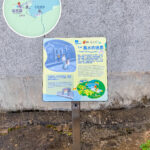
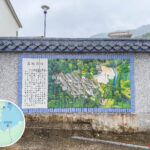
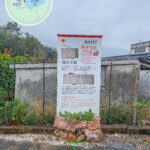
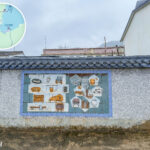
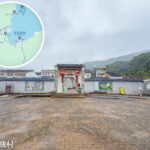
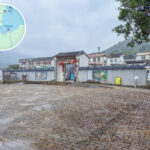
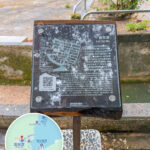
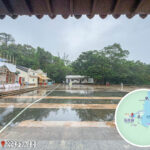
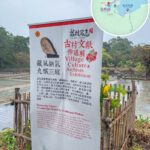
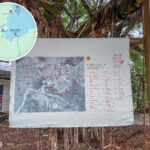
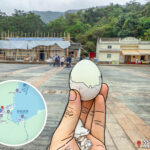
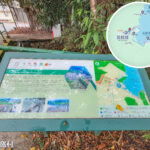
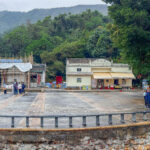
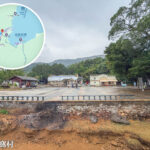
🏡【Lai Chi Wo (荔枝窩)】 is a traditional Hakka walled village boasting over 300 years of history. Co-founded by the Tsang and Wong clans, the village is laid out in a strict “nine horizontal and three vertical” grid rows, fronted by a “Fung Shui Wall” to gather wealth and ward off bad luck. Back in its heyday, Lai Chi Wo was home to nearly 1,000 residents across more than 200 houses, and it even established Siu Ying School, making it the educational and administrative hub for the “Seven Villages of Hing Chun Yeung”. The villagers mainly lived on farming, producing bumper crops of rice, sweet potatoes, taro, and mandarin oranges, showcasing the hard work and resourcefulness of the Hakka people.
—
🏡 Village Essentials
Category Details Establishment Early Qing Dynasty; founded by the Tsang and Wong clans, with over 300 years of history Village Layout Features a “nine horizontal and three vertical” grid layout, fronted by a “Fung Shui Wall” to retain wealth and block negative energy. Dominated by blue-brick houses, totalling over 200 units Peak Population Hit nearly 1,000 residents in the 1950s, with farmland stretching across hillsides and coastlines Cultural Status The core village among the “Seven Villages of Hing Chun Yeung”; hosts a grand Tai Ping Ching Chiu festival once every ten years Economic Activities Mainly agricultural; renowned for growing rice, sweet potatoes, taro, melons, and auspicious mandarin oranges Education & Culture Home to the former Siu Ying School, which served as the educational heart of the seven local villages Religious Beliefs Features the Fuk Tak Temple, dedicated to Pak Kung / Earth God to safeguard the village Current Status Select village houses have been transformed into the Lai Chi Wo Cultural Centre to spearhead conservation and eco-tourism —
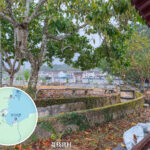
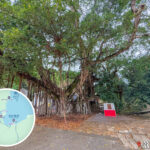
With its back against towering ridges ⛰️ and facing the open waters of Crooked Harbour 🌊, Lai Chi Wo perfectly nails the textbook Fung Shui layout of “backing the mountains and facing the sea”. Hugging the village is a century-old “Fung Shui Wood” packed with heritage trees like the Five-Finger Camphor and the Strangle Fig, blending immense ecological and cultural value. Right at the village entrance, the mangrove wetland thrives with diverse mangrove species, making it one of Hong Kong’s largest freshwater wetlands. Crystal-clear streams 💧 flow through to irrigate the terraced fields 🌾 while supplying fresh water for daily village use. These natural resources didn’t just sustain the village’s farming lifestyle; they also turned Lai Chi Wo into a major stronghold for eco-conservation in Hong Kong, earning it the Special Recognition for Sustainable Development from UNESCO in 2020.
—
🏞️ Geographical Highlights
Item Details 📍 Location Nestled in Sha Tau Kok, northeastern New Territories, right next to Yan Chau Tong Marine Park; coordinates approx. 22°30′48″N, 114°16′20″E ⛰️ Terrain Backed by mountains (acting as a natural shield, fulfilling the Fung Shui principle of a solid backing); faces Crooked Harbour 🌊 (vast open waters symbolizing continuous wealth flowing in) 🌳 Fung Shui Woods Home to century-old heritage trees like the Five-Finger Camphor and Strangle Fig, offering rich ecological and cultural significance 🌿 Mangrove Wetland Nurtures a wide range of mangrove plants, standing as one of the largest freshwater wetlands in Hong Kong 🌾 Terraced Fields Once used to cultivate rice, sweet potatoes, and taro, showcasing traditional Hakka farming smarts 💧 Streams Pristine streams flow right past the village, irrigating fields and acting as the main water source for daily life —
🏯 Key Spots & Landmarks
- Hip Tin Temple: Dedicated to Lord Kwan, serving as the ultimate spiritual protector of the village.
- Hok Shan Temple: Dedicated to Guanyin, nestled right at the foothills behind the village.
- Siu Ying School: Built in the 1920s, this was once the educational hub for the seven neighboring villages.
- Lai Chi Wo Cultural Centre: Displays traditional Hakka lifestyles, vintage farming tools, and local village history.
—
🚶♂️ Getting There
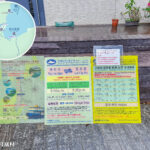
- Kaito Ferry: Catch a ferry from Ma Liu Shui Pier; the scenic boat ride takes about 1.5 hours and costs around $45–$50.
- From Sha Tau Kok: Requires a Closed Area Permit; ferry tickets cost about $40.
- Hiking Route: You can hike in from Wu Kau Tang via mountain paths and valleys, taking roughly 2.5 to 3 hours.
—
🌿 Cultural & Ecological Value
- Fung Shui Wisdom: A winding stream loops in front of the village—a layout known as “Jade Belt Around the Waist”—symbolizing wealth accumulation and peaceful living.
- Eco-Tourism: Home to one of Hong Kong’s largest freshwater wetlands, nurturing a diverse mix of mangroves and seagrass species.
- Global Recognition: Honored with UNESCO’s “Special Recognition for Sustainable Development” in 2020.
—
🌟 What Makes It Special
- Culture: One of the most impeccably preserved Hakka walled villages in all of Hong Kong.
- Ecology: Boasts an incredibly diverse mix of habitats, including Fung Shui woods, mangroves, and terraced fields.
- International Accolade: Awarded the UNESCO “Special Recognition for Sustainable Development” in 2020.