🌱 【Plants】 on this land of Hong Kong are not only a part of the natural ecosystem, but are also deeply woven into our local culture and daily lives. Despite having a land area of just around 1,100 square kilometres, Hong Kong nurtures over 3,300 species of vascular plants, around 2,100 of which are native. Situated in a sub-tropical monsoon climate, this city features diverse landforms—including mountains, hills, wetlands, and coastlines—creating a rich tapestry of habitats. From evergreen broad-leaved forests and mangroves to grasslands and plantations, Hong Kong’s plant communities showcase stunning diversity and adaptability. The Feng Shui Woods (風水林) of ancient villages carry deep cultural meaning for blessings and protection, while Jacaranda, Queen’s Crape Myrtle, and Chinese Fan Palm lining urban streets bring vibrant colours and greenery to our concrete jungle. These plants act as guardians of nature and form part of Hong Kongers’ collective memory, shaping a unique landscape where ecology and culture intertwine.
🌍 Geographical & Climatic Background
Item Details 🌍 Location Situated along the South China coast, featuring a sub-tropical monsoon climate 🌧️ Rainfall Average annual rainfall of approx. 2,400 mm; the humid environment is ideal for diverse plant growth ☀️ Climate Features Hot, humid summers and mild, dry winters, accommodating a wide array of plant species 🏞️ Terrain Interlocking mountains, hills, wetlands, and coastlines, forming diverse habitats —
🌳 Distribution of Forest Communities
Hong Kong’s woodlands are mainly secondary forests formed through post-war afforestation and natural regeneration, with distributions varying by altitude:
Altitude Forest Type Representative Plants Example Locations <400m Lowland Forests Banyan, Turn-in-the-wind (Wong Tung) Tai Po, Sai Kung 300–800m Low-mountain Forests Red Machilus, Chekiang Machilus Mid-levels of Tai Mo Shan 700–1000m Montane Forests Lotus Magnolia, Camellia oleifera Summit of Tai Mo Shan Streams & Valleys Riparian Forests Water Banyan, Rose Apple Shing Mun Reservoir —
🌿 Shrublands & Grasslands
- Shrublands: Rose Myrtle, Hong Kong Gordonia (Polyspora), Bamboo species.
- Grasslands: Cymbopogon, Dicranopteris.
👉 These communities are commonly spotted on hillsides and open fields, serving as vital habitats for local wildlife.—
🌸 Iconic Plants
- Hong Kong City Flower: Bauhinia 🌸
- Features: Five-lobed purplish-red petals, in bloom throughout the year.
- Symbolism: Embodying the Hong Kong spirit and identity.
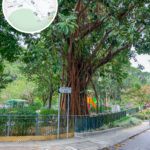
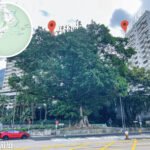
- Stonewall Trees (石牆樹, Banyan) 🌳
- Features: Roots gripping and weaving through stone walls, displaying immense vitality.
- Location: Forbes Street in Kennedy Town.
- Feng Shui Woods 🌲
- Features: Woodlands preserved at the back of villages, blending nature with traditional beliefs.
- Location: Ancient villages across the New Territories.
—
🌊 Special Habitat Plants
- Mangroves
- Representative Plants: Avicennia marina, Excoecaria agallocha.
- Location: Mai Po Nature Reserve.
- Coastal Plants
- Representative Plants: Beach Vitex, Horsetail Tree.
- Location: Sai Kung coastlines.
—
🧾 Summary of Hong Kong Plant Characteristics
- High Diversity: Over 3,300 species of vascular plants.
- Cultural Integration: Shrines like Feng Shui Woods and Stonewall Trees carry both ecological and cultural weight.
- Coexistence of Urban & Nature: Bauhinia and Stonewall Trees have seamlessly become part of our cityscape.
- Conservation Priority: Mangroves and rare orchid species require targeted protection.
—
📊 Diversity Data
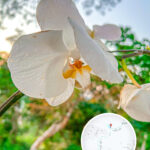
Category Representative Family Key Features 🌾 Poaceae Grasses The main driving force of grassland communities 🌸 Fabaceae Legumes Nitrogen-fixing properties that enrich the soil 🌻 Asteraceae Sunflowers & Daisies Diverse flowers, primarily insect-pollinated 🌿 Cyperaceae Sedging plants Highly adapted to wetland environments 🌺 Orchidaceae Orchids Featuring rare and endemic species unique to Hong Kong —
📍 Iconic Hotspots
- Lantau Island: Expansive montane forests hosting rare plants like the Bulbophyllum bicolor orchid.
- Mai Po Wetlands: Thriving with reeds and aquatic plants; its mangroves hold immense ecological value.
- Victoria Peak: A textbook example of low-mountain forests, commonly featuring Camphor and Banyan trees.
- Sai Kung: Coastal shrublands and mangroves boasting remarkable ecological diversity.
—
⚠️ Conservation & Challenges
- Endangered Plants: Species like the Bulbophyllum bicolor orchid are critically endangered globally, surviving only in Hong Kong and parts of South China.
- Threat Factors: Illegal poaching, habitat degradation, and rapid urbanisation.
- Conservation Measures: Kadoorie Farm and Botanic Garden conducts artificial pollination and propagation, subsequently reintroducing them to the wild.
—
🌱 Hong Kong Plant Conservation & Sightseeing Route Map
Route Starting Point Key Featured Plants Conservation Focus Extended Sightseeing Spots Wetland Eco-Tour Mai Po Wetlands Mangroves, reeds, aquatic plants Managed by WWF; protects wetlands and migratory bird habitats Deep Bay (Hau Hoi Wan) Woodland Exploration Lantau Island – Ngong Ping Evergreen broad-leaved forests, ferns Protected by Country Parks; strict restrictions on development Lantau Peak Education & Conservation Kadoorie Farm and Botanic Garden Rare orchids (e.g., Bulbophyllum bicolor), restored woodlands Artificial pollination, propagation, and educational outreach Guided tours and plant display zones Urban Greenery Stroll Victoria Peak Camphor trees, Banyan trees Striking a balance between urban greening and conservation Hong Kong Park (Jacaranda, Queen’s Crape Myrtle) —
🌸 Best Viewing Seasons for Hong Kong Plant Communities
Plant Community Representative Plants Best Viewing Season Key Features Mangroves Kandelia obovata, Excoecaria agallocha Year-round , especially lush in the summer rainy season The core of wetland ecosystems, coexisting with migratory birds Evergreen Broad-leaved Forests Camphor trees, Banyan trees Spring to Summer Dense tree canopies with highly active insect pollination Grasslands Silvergrass (Miscanthus), Cymbopogon Autumn Spectacular silvergrass plumes blooming into a golden sea of grass Shrublands Hong Kong Gordonia, Rose Myrtle Winter to Spring Gordonia blooms with white flowers in winter; Myrtle bears fruit in spring Orchidaceae Bulbophyllum bicolor, Dendrobium Spring to Summer Rare and exquisite blossoms; several are endangered species Urban Greening Trees Jacaranda, Queen’s Crape Myrtle, Fan Palm Spring-Summer Transition Injects bursts of vibrant colour and fresh greenery into city streets