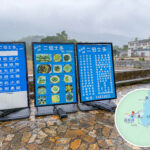
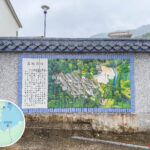
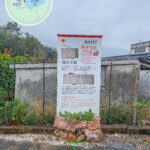
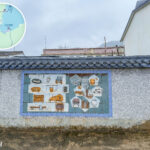
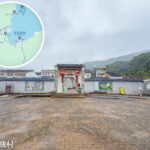
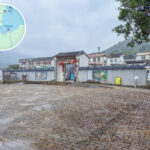
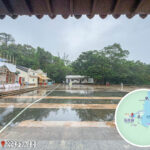
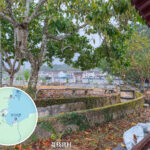
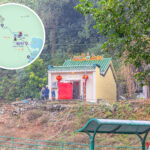
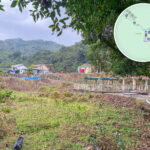
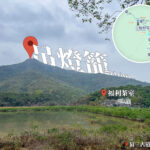
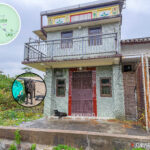
🏯 【Village Houses】 of Hong Kong’s indigenous inhabitants carry centuries of history and culture. These structures first appeared during the Ming and Qing dynasties, established as clans migrated into the New Territories, forming settlements centered around kinship. Village houses are not merely living spaces; they are symbols of clan cohesion. Many villages still retain their “Walled Village” (圍村) layout, featuring defensive walls once used to protect villagers from external threats.
📌 Traditional Houses of Indigenous Inhabitants
Topic Description 🌱 Origins Village houses are the traditional housing form of New Territories indigenous inhabitants, dating back to the Ming and Qing dynasties as clans settled in the region. 👤 Indigenous Status All male indigenous inhabitants whose patrilineal ancestors settled in the New Territories enjoy building rights under the “Small House Policy.” 🏯 Settlement Pattern Village houses are typically clan-centered, forming either “Walled Villages” or “Scattered Villages.” — The architectural characteristics of ancient [Village Houses] are simple yet functional. They are typically three stories high, with each floor measuring approximately 700 square feet. Early structures were built with grey brick, stone, and timber, featuring tiled roofs for effective drainage and ventilation. Modern versions use reinforced concrete with flat roofs, convenient for drying produce or additional construction. Surrounded by ancestral halls, stone pathways, and farmland, these houses demonstrate a lifestyle of coexisting with nature. They are not just buildings but vital parts of Hong Kong’s cultural heritage, witnessing the life wisdom and historical legacy of the indigenous people.
🧱 Architectural Features
- Scale: Traditional village houses are usually three stories tall, each floor approximately 700 sq. ft., with a total height not exceeding three stories.
- Materials:
- Historical: Grey brick, stone, timber.
- Modern: Reinforced concrete.
- Roofs:
- Traditional: Tiled, facilitating drainage and ventilation.
- Modern: Flat, convenient for additional construction or drying items.
- Layout:
- Front Hall: For receiving guests and daily activities.
- Back Hall: For ancestor worship and clan gatherings.
- Courtyard (Tianjing): For natural lighting, ventilation, and drainage.
🏯 Cultural and Social Significance
- Clan Cohesion: The grouping of village houses reflects clan strength; most villagers share the same surname and watch over each other.
- Ancestral Halls: Located beside village houses, these serve as venues for Spring and Autumn ancestral rites, weddings, and funerals.
- Feng Shui: Site selection prioritizes “backing the mountain and facing the water,” symbolizing prosperity and peace.
- Public Spaces: Village entrances often feature “Paifang” (archways) or open squares, serving as venues for festivals and gatherings.
🌿 Relationship with the Natural Environment
- Built Along Hills: Village houses are mostly located at the foot of hills for easy access to farming and water.
- Surrounded by Farmland: Traditional houses are often accompanied by fields, reflecting a self-sufficient lifestyle.
- Stone Pathways: Villages are connected by stone paths, forming unique rural landscapes.
📍 Representative Locations
- Ping Shan: Preserves a complete collection of ancient village houses and ancestral halls, featured in the “Ping Shan Heritage Trail.”
- Kam Tin: Famous for the “Kam Tin Walled Village,” showcasing the defensive features of village houses.
- Sha Tau Kok: Border villages where houses are deeply intertwined with historical geopolitics.
- Tai Po: Home to numerous Hakka villages, where the housing clusters exhibit distinct Hakka cultural characteristics.
🏮 Modern Challenges and Preservation
- Urbanization Impact: Village houses are increasingly surrounded by high-rise buildings, altering traditional lifestyles.
- Policy Controversies: The “Small House Policy” has sparked debates regarding land use and fairness.
- Cultural Preservation: Some village clusters have been incorporated into heritage trails, serving as resources for tourism and education.