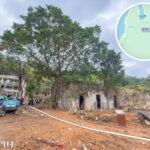
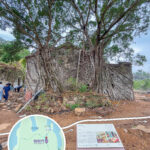
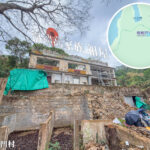
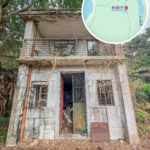
🏯 【Villages】 The village culture of Hong Kong’s indigenous inhabitants represents a complete social system, integrating clan structures, walled-village defense architecture, ancestral hall rituals, wisdom in farming and fishing, and distinct local dialects. It is not only a historical legacy but also the root of Hong Kong’s cultural diversity today. —
🏯 Core Features of Village Culture
1. Walled Villages (Wai Tsuen)
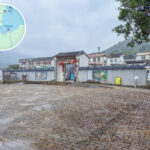
- Defensive Architecture: Walled enclosures, moats, watchtowers, and gun towers, originating from the Ming and Qing dynasties to defend against pirates and bandits.
- Representative Villages: Kat Hing Wai, Lung Yeuk Tau, and Fanling Wai.
- Linguistic Features: Some villages still preserve “Weitou dialect,” an ancient dialect of Cantonese.
2. Clan System
- Five Major Clans: Tang, Hau, Pang, Man, and Liu, forming a powerful clan network in the New Territories.
- Ancestral Halls: Centers for clan administration, education, and ancestor worship; couplets at the entrances manifest the spirit of the family.
- Clan Cohesion: Mutual support and collective assistance among villagers have fostered a strong sense of identity.
3. Wisdom in Farming and Daily Life
- Agricultural Environment: Villages were mostly built on plains or in river valleys, suitable for rice cultivation.
- Sustainability Wisdom: The life of indigenous inhabitants was intrinsically linked to the land, carrying traditional knowledge about the sustainable use of natural resources.
4. Law and Status
- Definition of Indigenous Inhabitants: Villagers and their descendants who settled in the New Territories before the British takeover in 1898.
- Small House Policy: Since 1976, adult male indigenous inhabitants have been entitled to build small houses, reflecting their unique legal status.
—
🏯 Significant Villages and Cultural Heritage
📍 Walled Village Name ✨ Cultural Characteristics 🚉 Accessibility 🌟 Architectural Highlights Kat Hing Wai Core of the Tang Clan; built in the Ming Dynasty; witnessed the “Six-Day War” against British troops. West Rail Line to Long Ping Stn, then bus/minibus. Thick walls, iron gates, ancient ancestral halls. Lung Yeuk Tau Settlement of the Tang Clan; well-preserved cluster of walled villages. East Rail Line to Fanling Stn, then walk or bus. Five Wais and Six Tsuens, ancestral halls, ancient pagodas. Ping Shan Ping Shan Heritage Trail; connects ancestral halls, pagodas, and study halls. West Rail Line to Long Ping Stn, walkable distance. Tang Ancestral Hall, Tsui Sing Lau Pagoda. Sha Tau Kok Hakka village; border characteristics; retains traditional farming culture. MTR to Fanling Stn, then transfer to bus. Hakka walled houses, ancient wells, border scenery. Tai Po Ancient market town and clan villages; blends commercial and agricultural features. East Rail Line to Tai Po Market Stn. Old markets, ancestral halls, traditional streets. —
✨ Significance of Village Culture
- Cohesion: Clan systems reinforce the spirit of mutual aid among villagers.
- Historical Heritage: Walled architecture and ancestral halls preserve traces of Central Plains migration culture.
- Symbol of Identity: The Small House Policy highlights the unique status of the New Territories in Hong Kong history.
- Cultural Resource: Village culture is an essential part of Hong Kong’s intangible cultural heritage.