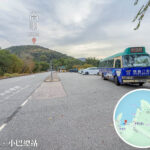
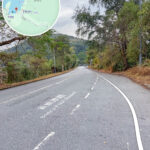
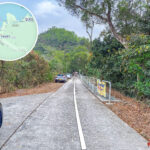
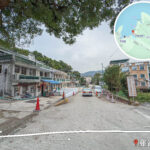
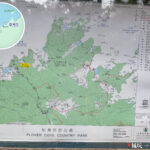
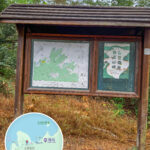
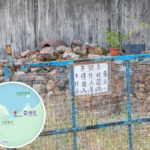
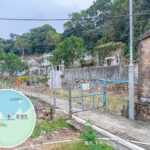
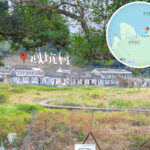
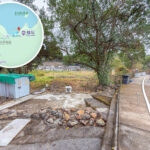
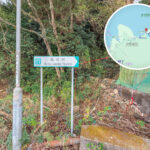
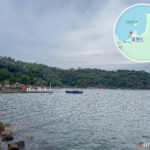
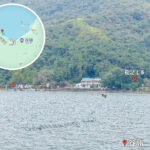
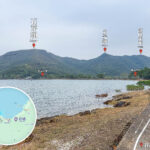
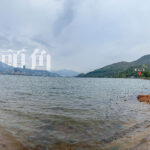
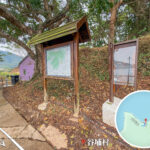
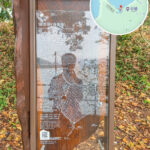
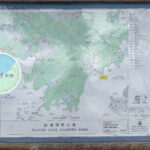
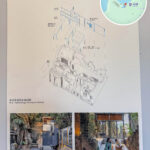
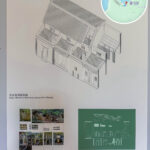
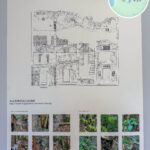
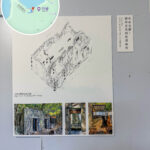
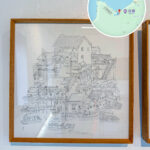
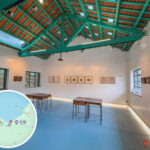
🦌 【Luk Keng】 is a tranquil village nestled in the northeastern part of the New Territories, Hong Kong. Situated between Pat Sin Leng Country Park and Plover Cove Country Park along the shores of the Sha Tau Kok Sea, it faces the Yantian District of Shenzhen. The area is not only blessed with rich natural ecology but also preserves a deep Hakka heritage and centuries of village history. Embraced by the Sha Tau Kok Sea and the lush mangroves of Kai Kuk Shue Ha, the region features reed fields, historic Hakka settlements, and serene coastal paths, forming one of the most intact wetland ecosystems in Hong Kong. —
🏞️ Origin of the Name
- The name “Luk Keng” (literally “Deer’s Neck”) likely stems from the topography resembling the neck of a deer, though some accounts suggest it refers to the short, curved bay nearby.
- Several locations in Hong Kong share the name “Luk Keng,” including Yam O on Lantau Island, the south of Tung Lung Chau, and Luk Keng Shan on the Shui Hau Peninsula.
—
📍 Location & Transport
Item Details District North District, New Territories; nestled between Pat Sin Leng Country Park and Plover Cove Country Park Nearby Places Sha Tau Kok, Fung Hang, Kuk Po Natural Features Boasts scenic wetlands, waterfalls, and coastal inlets like Luk Keng Bay Getting There MTR Fanling Station (Exit C) → Green Minibus 56K → Luk Keng Terminus Self-Driving Parking Open ground along Bride’s Pool Road or next to Fat Kee Store — The primary villages under Luk Keng include Luk Keng Village, Kai Kuk Shue Ha Village, Ham Hang Mei Village, and Nam Chung. These hamlets beautifully preserve traditional Hakka culture and rural landscapes, with abandoned farmlands and old irrigation ponds still visible today—standing testimonies to bygone village life. Luk Keng Village itself comprises Luk Keng Wong Uk, Luk Keng Chan Uk, and Luk Keng Sheung Wai, while Kai Kuk Shue Ha Village includes its branch settlement, Ho Lek Pui Village. Sharing the same lineage, the clans of Luk Keng Chan Uk and Luk Keng Sheung Wai branched out from Tsuen Wan and have been settled here for over a century; the fields in front of the villages were originally salt marshes before being converted into fish ponds. —
🏘 Hakka Villages
Luk Keng Village
- Comprises Wong Uk, Chan Uk, and Sheung Wai.
- With over a century of history, the land was originally salt marshes before transitioning into fish ponds.
Fung Hang Village
- Originally named “Fung Hang” (Windy Valley), boasting a history of over 300 years.
- Home to the Cheung Clan Ancestral Hall, an ancient well, and local Hakka eateries.
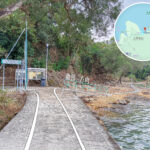
- The Fung Hang Pier is a highly popular photo spot.
Kuk Po Village
- A traditional Hakka settlement divided into five sub-villages (“Five_Belies”), with different surnames dominating each section.
- Kai Choi School: Built in the 1930s, it is now recognized as a Grade 3 Historic Building.
- Hip Tin Temple: Formed by converting an old classroom, dedicated to Lord Guan (Guan Yu).
—
🌿 Natural Ecology
Mangrove Forest
- Acts as a natural buffer against coastal erosion, filters water pollutants, and provides an ideal habitat for birds.
Reed Fields
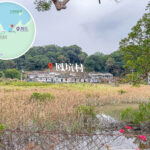
- Glowing in golden hues during autumn and winter, this massive reed bed spans the size of five football pitches and is a premier hotspot for photography.
Sha Tau Kok Sea
- The coastal path offers serene waterfront views, with the rolling ridges of Robin’s Nest in Shenzhen visible just across the waters.
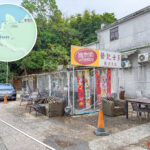
— Beyond its ecological value, this area was a crucial stronghold for anti-Japanese guerrillas during World War II. The nearby village of Wu Kau Tang houses a memorial monument dedicated to wartime martyrs, carrying the heavy memories of the war. Today, Luk Keng charms visitors with its laid-back countryside vibe. A selection of local stores and open-air teahouses line Luk Keng Road along the coast, including the famous “Chan Fung Kee” Hakka restaurant, serving up authentic local dishes. From Luk Keng, you can easily enjoy a leisurely walk to Nam Chung or the shores of the Sha Tau Kok Sea, catching peaceful sea views and sunsets—the ultimate escape from urban hustle. —
🍽 Hakka Delicacies
Restaurant Recommended Dishes BB Happy Cafe Salt-Baked Chicken, Hong Kong-style breakfast Ying Ka Cafe Oyster Pancake, Yellow Wine Chicken Chung Kee Store Vinegar Duck, Free-Range Chicken —
🏞 Hiking Route
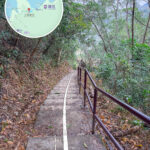
Luk Keng ➝ Fung Hang ➝ Kuk Po ➝ Return via the same route
Item Details Distance Approx. 7 km Time Approx. 2–3 hours Difficulty ⭐️☆☆☆☆ (Beginner) Replenishment BB Happy Cafe, Fat Kee Store, Chung Kee Store Toilets Portable toilets available at Luk Keng, Fung Hang, and Kuk Po —
📸 Top Photo Spots
- The iconic White Pillar Pier
- Shui Tsam Tsui Pai (Tide-Exposed Sandbar)
- The golden reed fields and mangrove wetlands
- Sha Tau Kok Coastal Path
- Kai Choi School and Hip Tin Temple
—
🧭 Quick Tips
- 🧴 Bring plenty of sunscreen and water; shade is quite sparse along the trail.
- 🕒 The last minibus leaves around 7:30 PM, so be sure to budget enough time for the queue.
- 📱 Mobile signals can be unstable in remote areas; downloading offline maps in advance is highly recommended.
- 🐄 You might cross paths with herds of local feral cattle—please keep your distance and avoid startling them.
—
🦌 Luk Keng vs. Luk Keng Village: District vs. Settlement
Category Luk Keng Luk Keng Village 📍 Definition A broad district name encompassing various natural and cultural landmarks A specific, distinct village settlement within the area, traditionally Hakka 🗺️ Location Northeastern New Territories, on the southwestern shore of the Sha Tau Kok Sea close to the border Situated at the heart of the Luk Keng district, right off Luk Keng Road 🏞️ Landscape Includes Luk Keng Bay, Luk Keng Shan, rich wetlands, and seasonal waterfalls Characterized by neatly lined village houses facing what was once a coastal bay, now fallow grass fields 🧓 Heritage The name is derived from the terrain resembling a deer’s neck or a short, curved inlet Established during the Kangxi reign of the Qing Dynasty, once housing a population of 600 residents 🏡 Subdivisions Includes Luk Keng Village, Kai Kuk Shue Ha, Ham Hang Mei, Fung Hang, and Kuk Po Formed by Wong Uk, Chan Uk, and Sheung Wai; the four main clans established the “Wing Hing She” league 🌾 Traditional Industry Relied on fishing, agriculture, and land reclamation from the sea Primarily rice farming and cattle raising; later declined after local water sources were diverted 🧭 Current Status A premier hiking hotspot seamlessly linking Fung Hang, Kuk Po, and Nam Chung Many villagers have emigrated to the UK, though some have returned to enjoy their retirement years —
📚 Deeper Exploration
To dive deeper into the rich history and place-name origins of Luk Keng, check out the 〖 Ming Pao Special Feature 〗 —