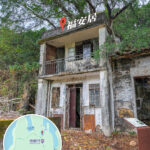
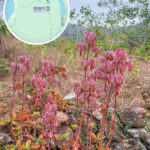
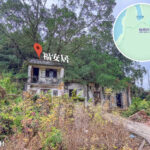
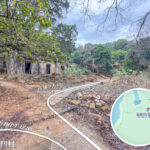
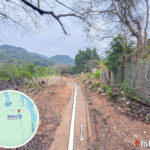
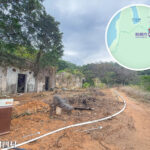
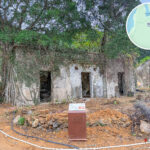
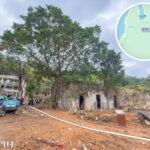
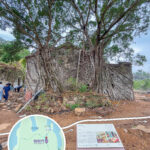
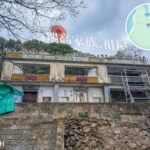
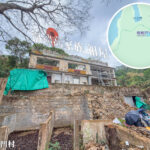
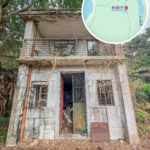
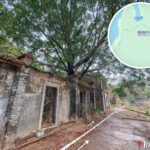
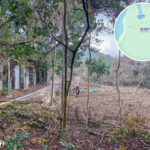
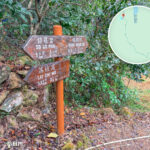
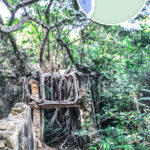
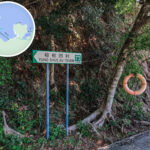
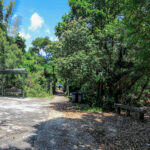
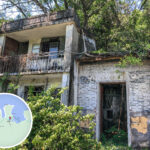
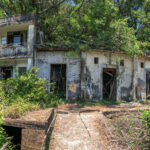
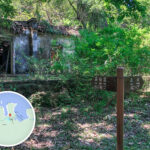
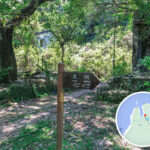
🌳【Yung Shue Au (榕樹凹)】 is a Hakka village with over 300 years of history, located in the Sha Tau Kok area in the northeast New Territories of Hong Kong. Most of the villagers share the surname Wan. Situated on the northeast coast of Sha Tau Kok Hoi (Starling Inlet), the village was gradually abandoned as residents moved out due to its remote location and poor transport links. In recent years, following the phased reopening of the Sha Tau Kok Frontier Closed Area, villagers have kicked off a revitalization movement to rebuild their homes and preserve their rich history and culture. —
📌 Quick Facts
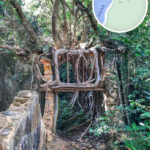
Item Details 🏞️ Location Northeast tip of Sha Tau Kok, North District, New Territories, Hong Kong; situated on the northeast peninsula of Pat Sin Leng, adjacent to Sha Tau Kok Hoi 🧭 Geographical Position Nestled in a valley next to the northern bay of Yung Shue Au Wan, close to the maritime border between Hong Kong and Shenzhen 🏘️ Village Type Single-surname Hakka village (Wan clan); a self-sufficient coastal settlement 🕰️ History Around 350 years of history; founded by Wan Man-cheong during the Kangxi reign of the Qing Dynasty (circa 1671) 👤 Wan Clan Origins Ancestors trace back to Shuyu, son of King Wu of the Zhou Dynasty. Descendants were enfeoffed in Wen County, Henan, and later migrated to Hong Kong during the Qing Dynasty 🪧 Alternative Names Nung Shue O, Yung Shue O, Yung Shue Au (different Chinese characters) 🏚️ Current Status Abandoned for over 40 years; conservation and rebuilding initiatives have begun recently, featuring micro-architecture and cultural trails 🛣️ How to Get There Foot access only: Take green minibus 20R from Tai Po Market to Wu Kau Tang, then hike for approx. 3 hours; OR take green minibus 56K from Fanling to Luk Keng, then hike for approx. 1.5 hours 🧑🏫 Facilities Previously housed a school, pier, temples, and a military camp (established by the British Army in the 1970s and vacated in 1997) 🌳 Natural Landscape Dam/bay views, banyan-covered houses, abandoned military camps, and an eco-cultural trail 🧑🤝🧑 Community Features Strong spirit of self-reliance and mutual aid; formerly relied on farming and fishing, now actively engaged in placemaking and cultural preservation — Yung Shue Au Village boasts a unique blend of natural beauty and cultural heritage. The village retains traditional Hakka architecture, abandoned village houses, a century-old embankment, and “tree houses” completely enveloped by banyan roots. In the 1980s, the British Army used the village as a military outpost. The stationed troops—including the Scottish Highlands regiments and Nepalese Gurkhas—maintained a great relationship with the locals, even naming one of the village houses the “Tolo Drink House.” The village offers distant views of Shenzhen’s Yantian Port, and at low tide, visitors can enjoy the nearby natural tidal pool known as the “Sky Mirror” (Cheung Pai Tau • Sky Pool). —
🗺️ Location and Natural Environment
- Location: Located in the northeastern part of the New Territories, Yung Shue Au falls under the Sha Tau Kok administrative area of North District. It sits close to Pat Sin Leng and Sha Tau Kok Hoi, facing Yantian, Shenzhen just across the water. It is a highly remote area.
- Topography: The village is nestled inside a valley, surrounded by dense banyan trees that form a natural barrier.
- Origin of Name:
- Originally named “Nung Shue O,” it evolved into “Yung Shue O” and “Yung Shue Au” (using a different Chinese character) before settling on its current name.
- “Au” means a mountain pass or valley in Hakka, describing its landscape of being cradled by mountains.
- Scenic Highlights:
- The coastline along the embankment
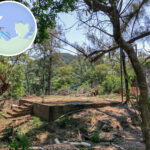
- The abandoned British military camp
- Old houses draped in banyan aerial roots
- Ruins of the old school and pier
—
📜 Historical Timeline and Clan Background
Period Key Events Kangxi Era (circa 1671) The Wan ancestors moved from Huizhou, Guangdong to Tam Shui Hang in Sha Tau Kok; later, Wan Man-cheong cleared the land to establish Yung Shue Au Village Late Qing to Early Republic The village grew into a fully developed, self-sufficient community complete with a school and a pier 1970s–1980s The British Army set up a military camp to deter illegal immigrants Post-1997 British troops withdrew and villagers gradually moved out, leaving the village abandoned for over 40 years
- Village History: Yung Shue Au Village has a history spanning over three centuries. Its founder was Wan Tsz-wun (1696–1757), whose grandfather, Wan Ka-kei, had migrated from Huizhou, Guangdong to Sha Tau Kok.
- Wan Clan Lineage:
- The villagers’ lineage traces back to Shuyu, the son of King Wu of the Zhou Dynasty. His descendants were granted land in “Wen County,” Henan, taking “Wan” (Wen) as their surname.
- Wan Tsz-wun cleared the wilderness across the water from Sha Tau Kok to establish Yung Shue Au, making it a single-surname Hakka village.
- Ethnic Group: A single-surname Hakka village dominated by the Wan clan, with ancestral roots in Guishan, Huizhou.
- Cultural Heritage: The village actively preserves the Hakka language, traditional architectural styles, and clan systems.
—
🏡 Village Life and Architecture
- A Self-Sufficient Community:
- The village once had its own school, pier, and farmlands. Villagers led a simple life focused on farming, maintaining a tight-knit community.
- Although not part of the “Hing Chun Yeung” village alliance, it maintained close ties with other villages in Sha Tau Kok.
- Architectural Style: Houses featured stone-brick walls and grey tiled roofs, blending Hakka traditions with locally sourced materials.
- Way of Life:
- Primarily agricultural, with rice and vegetables as staple crops
- Supplemented by fishing along the embankment coast
- Characterized by a strong spirit of mutual aid and tight clan cohesion
- Military History:
- From the 1970s to the 1980s, the British Army set up an outpost in the village to prevent illegal immigration, which was vacated after the 1997 handover.
—
🚶♀️ Getting to Yung Shue Au
Starting Point Transport Hiking Route Estimated Time Tai Po Market MTR Station Take green minibus 20R to Wu Kau Tang Wu Kau Tang → Lai Chi Wo → So Lo Pun → Yung Shue Au Approx. 3 hours Fanling MTR Station Take green minibus 56K to Luk Keng Luk Keng → Fung Hang → Kuk Po → Yung Shue Au Approx. 1.5 hours — Currently, Yung Shue Au Village is undergoing a major revival. The Chinese University of Hong Kong (CUHK) secured a HK$3 million grant from the Countryside Conservation Funding Scheme to kick off an architectural restoration project. The initiative aims to fix up abandoned village houses and turn them into experimental community spaces. Villagers are also rolling up their sleeves to help, doing things like piping in fresh mountain water and organizing festive events (like Lantern Festival dinners and Kirin dances). Despite challenges like a lack of tap water, electricity, and handy transport links, villagers hope to put this remote, hidden Hakka village back on the map by developing in-depth eco-tourism and cultural guided tours. —
🌿 Decline and Conservation: From Silence to Rebirth
- Reasons for Abandonment:
- Due to its remote location and lack of basic amenities, residents gradually moved out. The village houses fell into disrepair, becoming a space reclaimed by nature.
- Turning Point for Conservation:
- In 2018, the government set up the Countryside Conservation Office (CCO), naming Yung Shue Au as one of its key target villages.
- In 2023, CUHK secured a HK$3 million grant to launch the “Re-telling the Yung Shue Au Story” project, restoring village houses and military spaces into community venues.
- Villagers took the initiative to install an 800-meter pipe to bring in mountain water, vastly improving living conditions on-site.
—
🧪 Interdisciplinary Research and Cultural Preservation
- Research Focus:
- The project spans architecture, history, and ecology, fostering collaboration between villagers and academics to explore Yung Shue Au’s social evolution and cultural heritage.
- Cultural Events:
- Villagers regularly organize Chinese New Year dinners and community events to put the village on the public’s radar and get people involved.
- The long-term goal is to set up a community kitchen and a cultural hub to serve as a bridge between villagers and visitors.
—
🧪 Conservation and Rebuilding Initiatives
🔧 The “Re-telling the Yung Shue Au Story” Project
- Led by the CUHK team under the Countryside Conservation Office, combining architecture, history, and ecological studies.
- Setting up multi-functional micro-architectures to serve as bases for community events and research.
- Driving community placemaking by getting villagers involved and boosting interdisciplinary collaboration.
📸 “Tracing the Light and Shadow” Photography Tour
- Co-organized by the Hong Kong Heritage Conservation Foundation and Walk in Hong Kong.
- Documenting village ruins and natural landscapes through photography.
- Connecting villagers with participants to piece together collective memories and history.
—
📖 Further Reading:
- Yung Shue Au Village Wikipedia Article
- YSA HK Villagers Association – Historical Introduction
- Hong Kong Countryside Conservation Office Official Project Page
- CUHK Conservation Project Overview
- Hong Kong Commercial Daily: The Road to Rebuilding Yung Shue Au
—