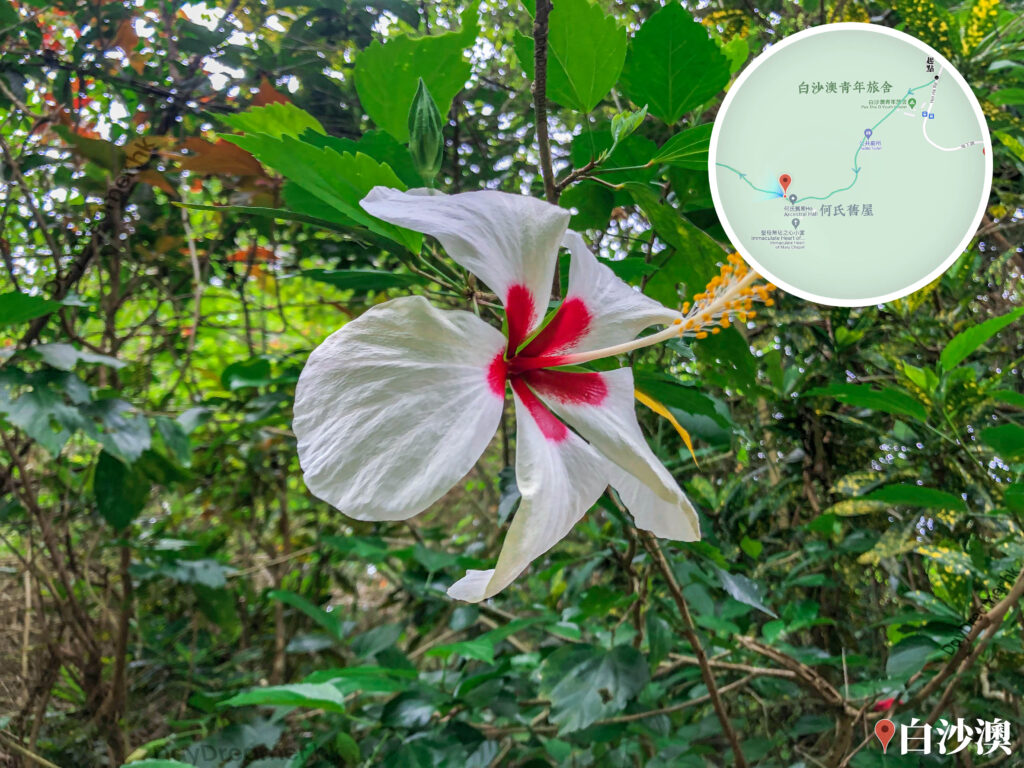
Morphological characteristics of Hibiscus syriacus (commonly known as rose of Sharon): A deciduous shrub standing 3 to 4 metres tall, with its slender twigs densely covered in yellowish stellate tomentum. The leaves are rhomboid to triangular-ovate, 3 to 10 centimetres long and 2 to 4 centimetres wide, varying from unlobed to deeply or shallowly 3-lobed, featuring an obtuse apex, a cuneate base, and irregularly toothed margins, with faint hairs along the veins underneath or completely hairless. Flowers grow solitarily in the leaf axils at the tips of branches; the calyx is bell-shaped, 14 to 20 millimetres long, and densely covered in short stellate tomentum with 5 triangular lobes. The blossoms come in shades of pure white, pale pink, light purple, and reddish-purple, shaped like a bell in single, semi-double, or double forms, with the exterior sparsely clad in ciliates and long stellate villous hairs. The capsules are ovoid-globose, about 12 millimetres in diameter, and densely covered in yellowish stellate tomentum, housing kidney-shaped seeds with yellowish-white villous hairs on the back. The flowering period spans from July to October.